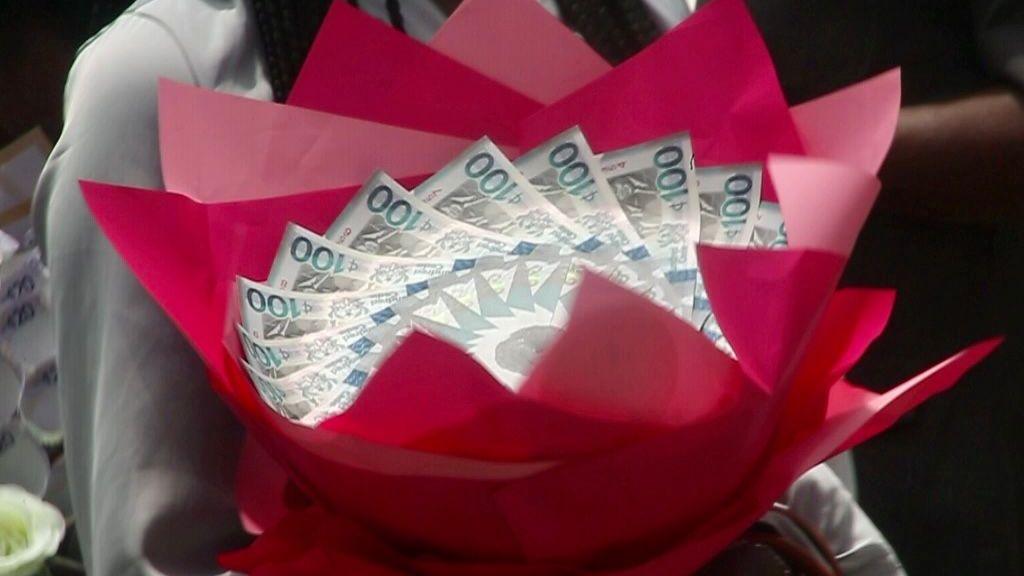
In a late‑night operation, police in Accra seized a small shop and placed seven women under arrest for selling bouquets made from folded Ghanaian cedi banknotes. The Bank of Ghana has called the practice a blatant misuse of legal tender, a violation that can lead to fines or jail time.
All suspects were women who, according to officers, sold the decorated flowers to customers arranging birthdays, weddings, and other celebrations in the capital. Their arrests marked the most extensive enforcement action yet against currency‑handing offenses in the country.
“The Ghana cedi is legal tender and must be treated with respect,” Dinah Bonzi, official in the Bank of Ghana’s currency department, told reporters. “Anyone aiding or promoting such activities could also be arrested and prosecuted.”
The bank’s warning, issued in July, cautioned against all “acts that tend to depreciate or impair the national currency, including any conduct that undermines its lawful value or use.” It also specifically named decorating items such as cakes or flowers with money as a prohibited practice.
Money bouquets have become popular across parts of Africa, with Ghanaian sellers often marketed them as unique gifts for celebratory occasions. Similar warnings have already come from central banks in Kenya, Nigeria, South Africa and Botswana, all of which have tightened oversight on “cash‑based” decorations.
The suspects are currently in police custody and will be brought to court. Depending on the outcome, they could face a fine or a prison term. The Bank of Ghana has urged the public to treat the currency with dignity and to report any suspicious use of banknotes.
What this means for everyday citizens
If you see someone selling or receiving a bouquet of folded banknotes, report the activity to the nearest police station. The law applies to everyone, whether you are a vendor, customer or simply a bystander. By staying vigilant, citizens help protect the integrity of Ghana’s currency and economy.