In brief
On Saturday, the streets of Paris were illuminated by fireworks as protesters turned a largely peaceful demonstration into chaos after dark. Attackers hurled objects at police, prompting a forceful response. Around 70,000 riot officers were deployed nationwide, using tear gas and water cannons to break up the crowds. Official estimates show some 400,000 people participated and almost a thousand arrests were made. The escalation may endure as national tensions simmer.
Paris Flashpoint
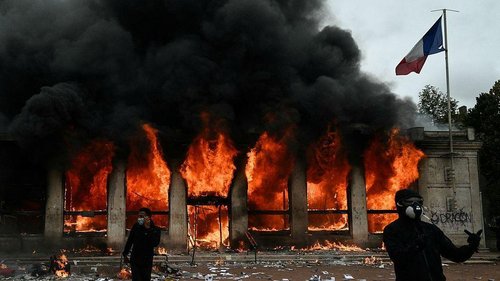
On Saturday night, a fiercely contested demonstration in Paris erupted into violence after dark. Protesters hurled fireworks, stones and other objects at riot police, who were already on high alert following a national mobilisation of 70,000 officers.
The French Interior Ministry reported that about 400,000 people marched across France, including some 80,000 in Paris. Roughly a thousand arrests were logged, and police employed tear gas and water cannons to disperse the crowds.
Witnesses described the streets filling with colourful explosions of fireworks punctuated by the pungent spray of tear gas, creating a chaotic tableau. The confrontations have left several injured on both sides and heightened fears that the unrest will spread to other major cities.
European analysts caution that the underlying grievances—ranging from economic strain to discontent with government policies—are unlikely to be quelled quickly. While the protests began peacefully, the evening’s clashes underscore the volatile political climate in France.
For real‑time updates, follow BBC live coverage.