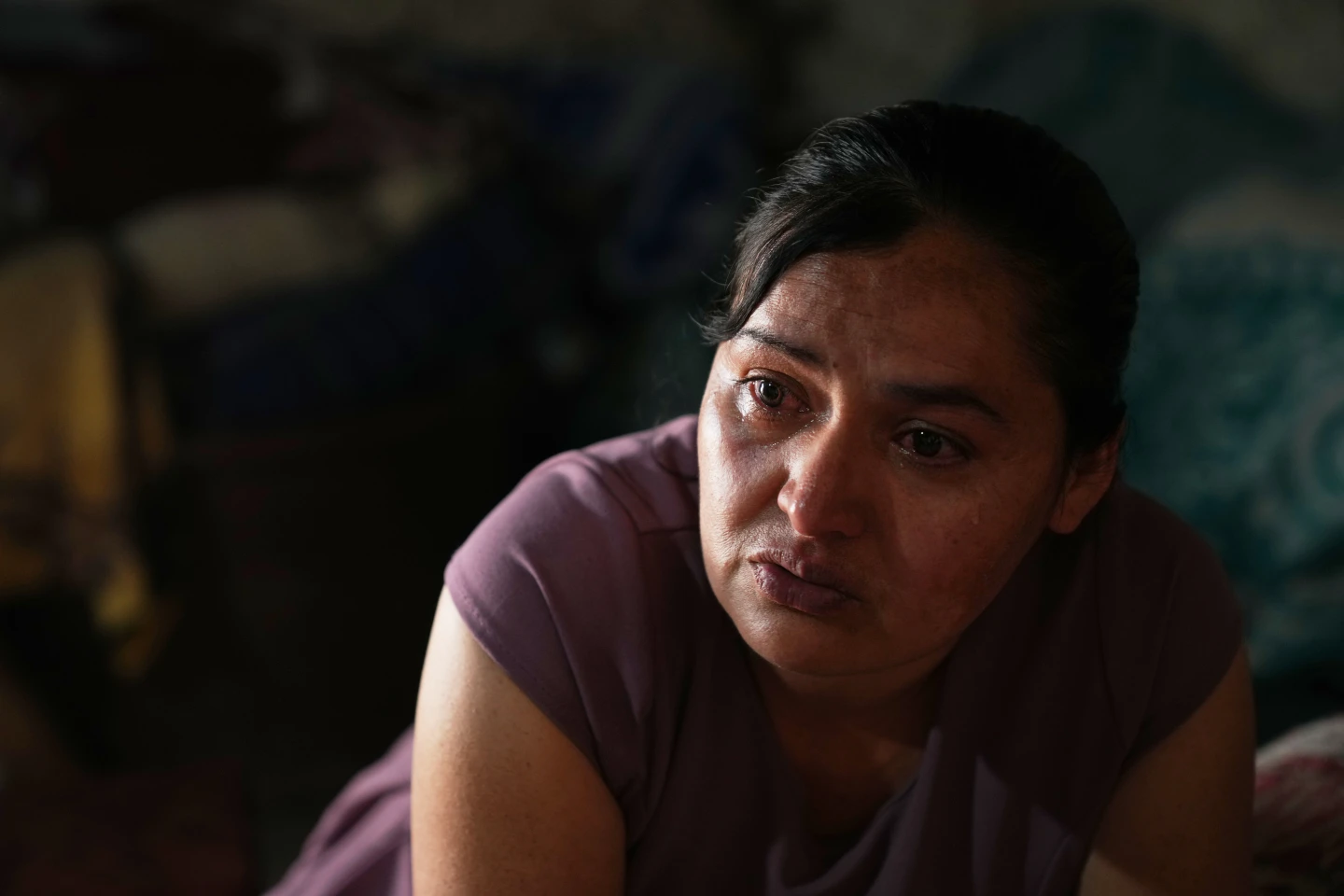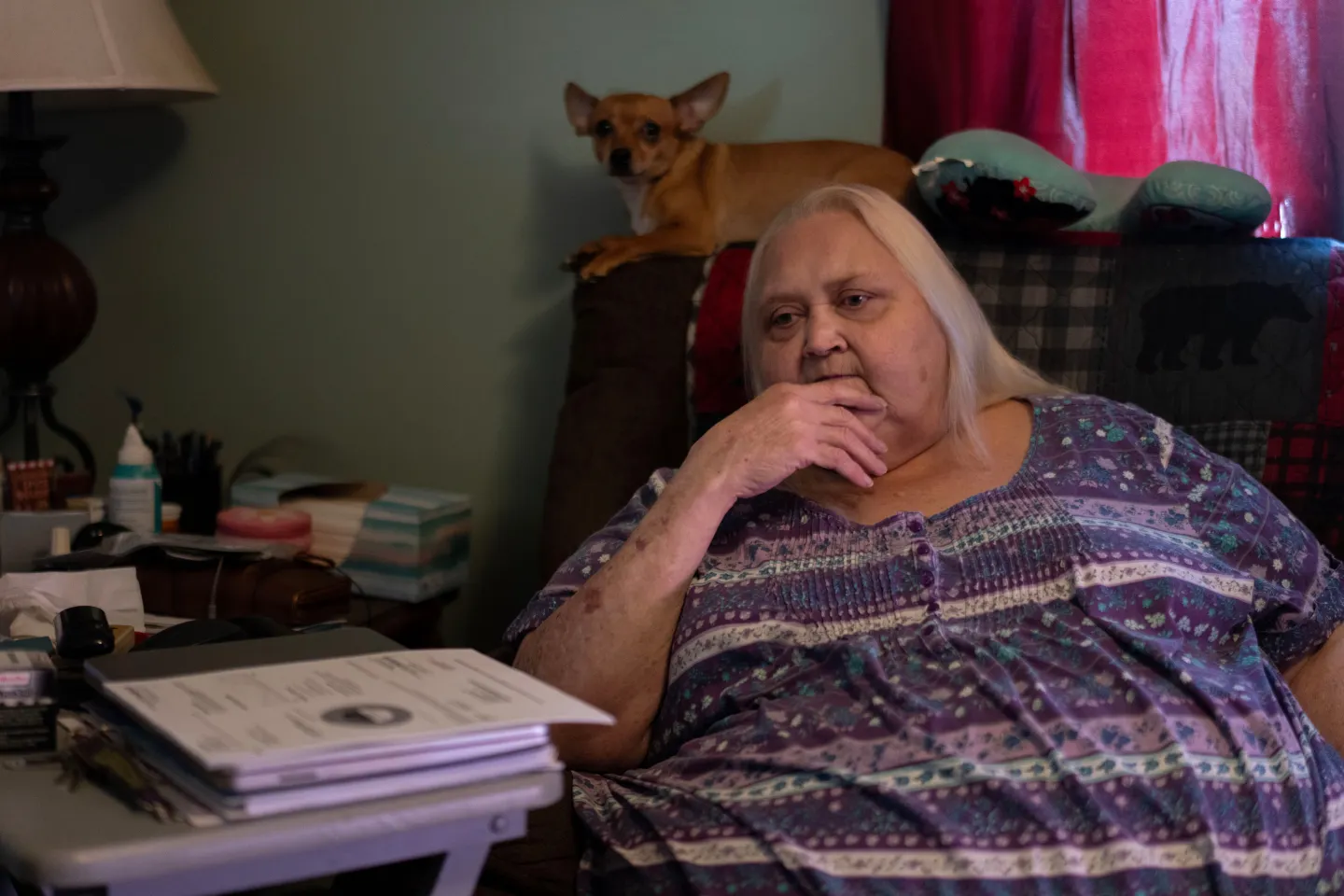
RAINELLE, W.Va. — Every month, Rebecca Michalski holds her breath as she opens her electric bill. Living on a fixed income, she faced a staggering charge of $940.08 in February—more than her entire paycheck. Despite her efforts to conserve energy, she finds herself falling deeper into debt.
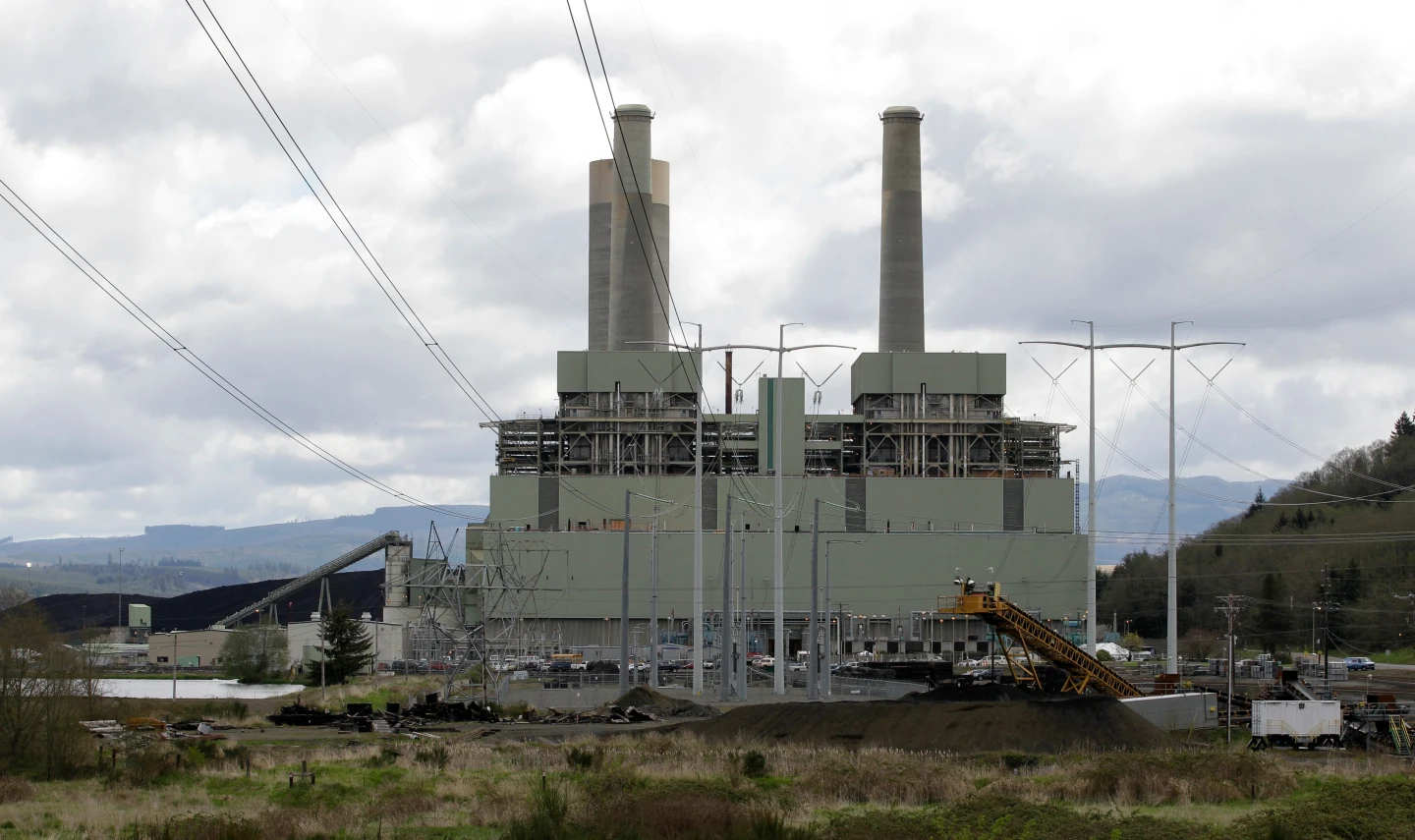
Across West Virginia, many are echoing her frustrations. Hundreds of residents have taken to social media, sharing their own bills and demanding answers regarding the soaring utility costs in a state rich in energy resources yet paradoxically poor in economic stability. The state’s energy policies, reliant on outdated coal technology, have left many families deciding between food and fuel, as bills exceed their means.
In the aftermath of President Trump’s promises to halve electricity costs during his tenure, voters are noticing the gap between rhetoric and reality. Recent statistics show electricity costs have risen by 4.8% nationwide while natural gas prices climbed 10.9%. These hikes, compounded by global events, have left over 80 million Americans grappling with affordability issues.
Michalski, along with other frustrated citizens, have voiced their discontent as rates continue to climb. Many fear the financial strain will lead to cut-offs, uncertain how they will manage essential bills that keep their homes running. Her voice is becoming a common one in a community increasingly unwilling to remain silent on their struggles.
The energy crisis is not just a household tale; it's affecting local businesses, as shop owners have been forced to close due to unsustainable utility costs. Heather Santee’s bakery, for instance, suffered an abrupt termination of power just before Valentine's Day, leading to significant losses and other local businesses feeling similarly strained.
Compounded by issues like a lack of clean drinking water and rising housing costs, the challenge for West Virginians is multi-faceted. Increasingly, it’s evident that local advocacy for better energy policies must occur, especially when both major political parties seem to overlook this critical issue. Many residents are calling for transparency and accountability, stressing that the current strategies are failing to meet the needs of the average citizen.
As Michalski puts it, “It’s breaking me. And there’s nothing that can be done for it unless the president does something.” With utility bills showing no signs of decreasing, community leaders are left wondering what steps can be taken to alleviate the financial burden affecting so many West Virginians.