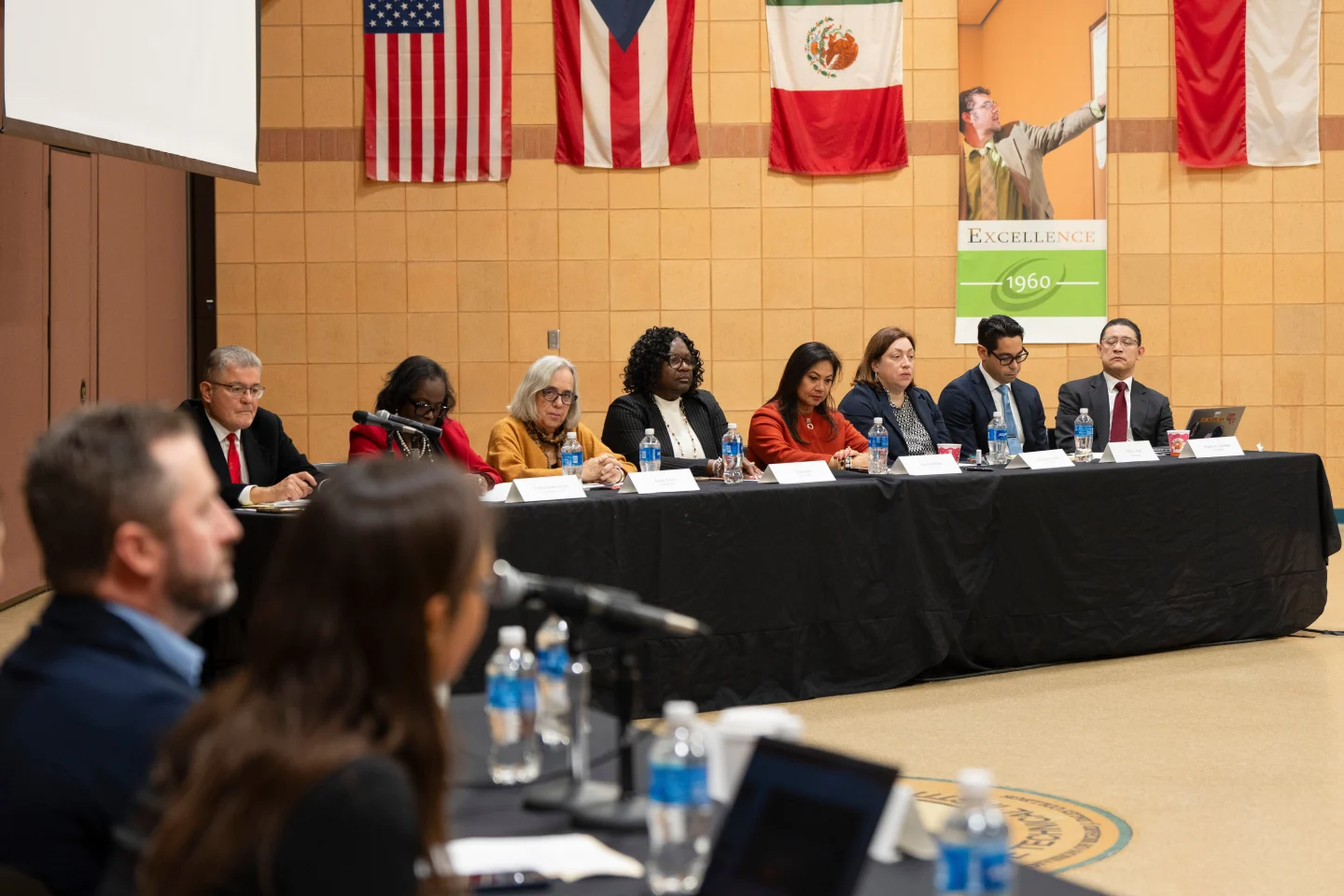
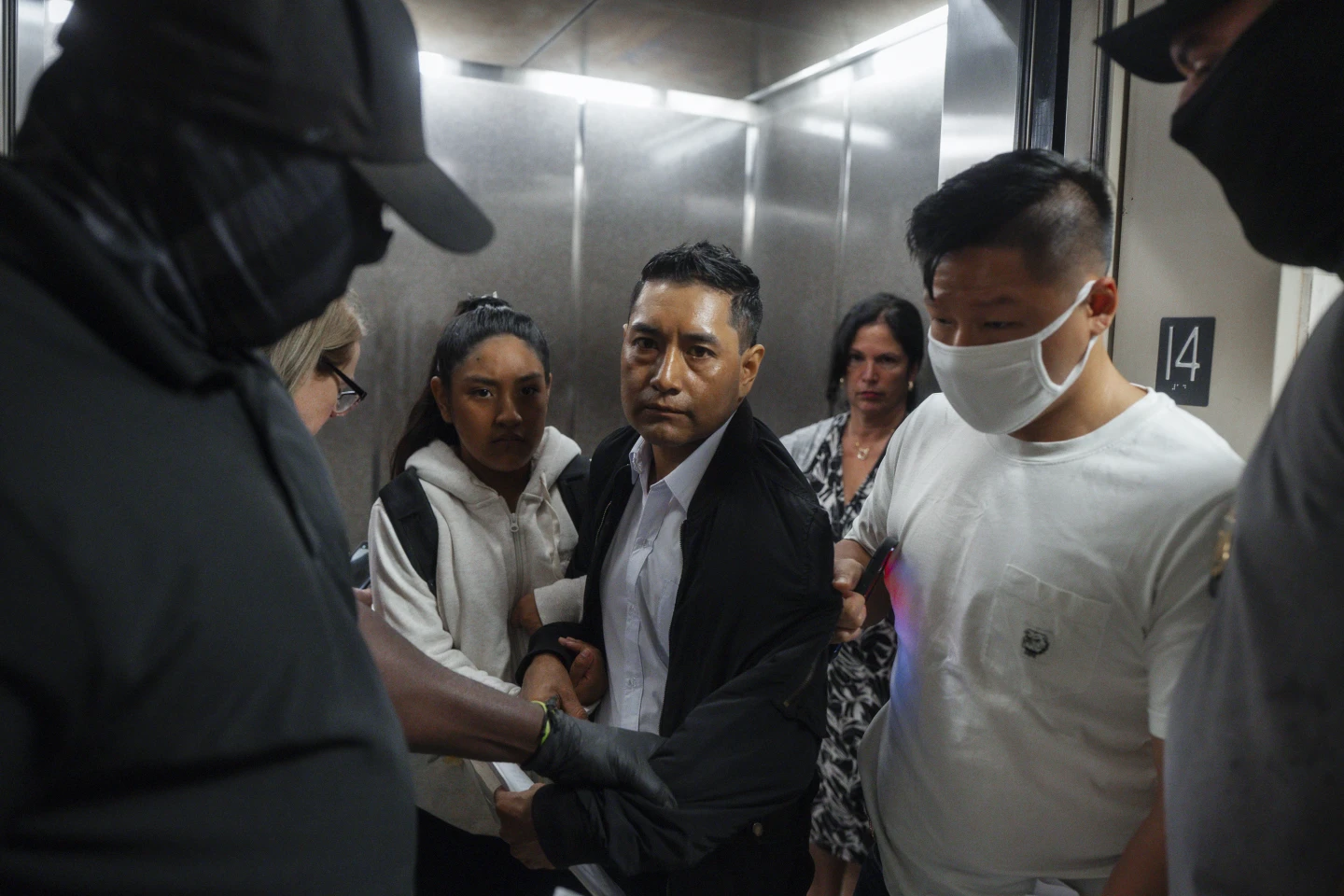
SIOUX FALLS, S.D. (AP) — The owner of a South Dakota hotel was found liable for discrimination against Native Americans on Friday after a jury ruled in favor of several plaintiffs, determining that they were wrongfully denied service at the Grand Gateway Hotel in Rapid City.
The jury awarded $1 to the NDN Collective, the Indigenous advocacy organization that filed the class-action lawsuit in 2022, which highlighted a disturbing pattern of racism following a social media post by hotel owner Connie Uhre. Following a tragic shooting incident at the hotel involving Native American teenagers, Uhre proposed a ban on Native Americans from the establishment.
“This was never about money. We sued for one dollar,” said Wizipan Garriott, president of NDN Collective and a member of the Rosebud Sioux Tribe. “It was about being on record for the discrimination that happened, and using this as an opportunity to really call out racism.”
Uhre's post on Facebook, made in March 2022, stated she could not “allow a Native American to enter our business including Cheers,” the hotel’s bar and casino. This statement drew public outrage, protests in Rapid City, and condemnation from various local officials and tribal leaders.
Following Uhre's death in September, the hotel attempted to fight back through a countersuit against NDN Collective, claiming the protests had been a nuisance. The jury awarded Retsel Corporation, the hotel's owning company, a mere $812 in this countersuit.
In November 2023, Uhre entered a consent decree with the U.S. Justice Department that mandated her to publicly apologize for her actions and barred her from managing the hotel for four years.
Rapid City has long faced challenges with racial tensions, with Native Americans making up at least 8% of the population. The recent fallout from this case underscores the ongoing battles against discrimination and the need for systemic change.