In brief
As Sri Lanka recovers from devastating floods caused by Cyclone Ditwah, the nation faces a new crisis fueled by the Iran war. The crisis complicates an already precarious economic situation, leading to soaring fuel prices and further distress for families still recovering from last year's natural disaster. With scarce international aid, the government struggles to meet the urgent needs of its citizens, many of whom are still displaced and living in dire conditions.
The ongoing Iran war, compounded by the catastrophic impacts of Cyclone Ditwah and an economic crisis, leaves Sri Lankans grappling with unprecedented challenges.
After floods devastated their village, Indrani Ravichandran and her family are back in their house, living in the only section that is still standing. They are among the many victims of Cyclone Ditwah that ravaged the country last November. The storm's unprecedented scale brought catastrophic floods and landslides, resulting in the deaths of 643 people and displacing countless others.
Indrani recalls the harrowing experience as she and her family rushed to escape floodwaters in the darkness. The water level rose swiftly... It was pitch dark and the rain was lashing down, she recalls, emphasizing the terror they felt while trying to flee.
Now, as Sri Lanka struggles to recover from the floods, an external crisis compounds their plight: the war in Iran, which has dramatically increased fuel prices and caused significant economic repercussions. The country, already facing an economic crisis since 2022, may now experience further destabilization, leading experts to describe the situation as a triple shock.
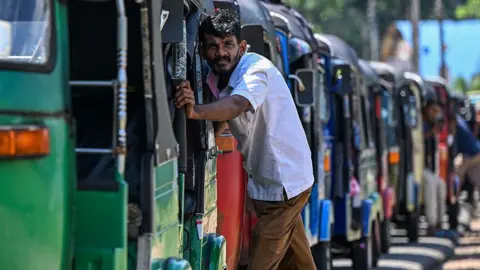
The government has put in place measures to tackle soaring fuel prices, including rationing and price hikes, while also introducing a four-day working week and austerity measures. However, these efforts have evoked memories of last year’s turmoil, when the country defaulted on its foreign debt amid severe shortages of essentials, triggering mass protests that led to the ousting of then-President Gotabaya Rajapaksa.
Additionally, international assistance for the damages caused by the cyclone has fallen short, with the government receiving only a fraction of the needed funds for reconstruction. Much of the aid that has arrived has come from India, Sri Lanka's nearest neighbor, which responded promptly with humanitarian assistance, including food and medical supplies, while other nations, including long-time ally China, have offered minimal support.
As the government seeks to rebuild and stabilize the economy, many families, including Indrani’s, continue to face uncertainty. The future remains bleak as the combined impacts of the Iraq war and natural disasters threaten to engulf the nation once more.