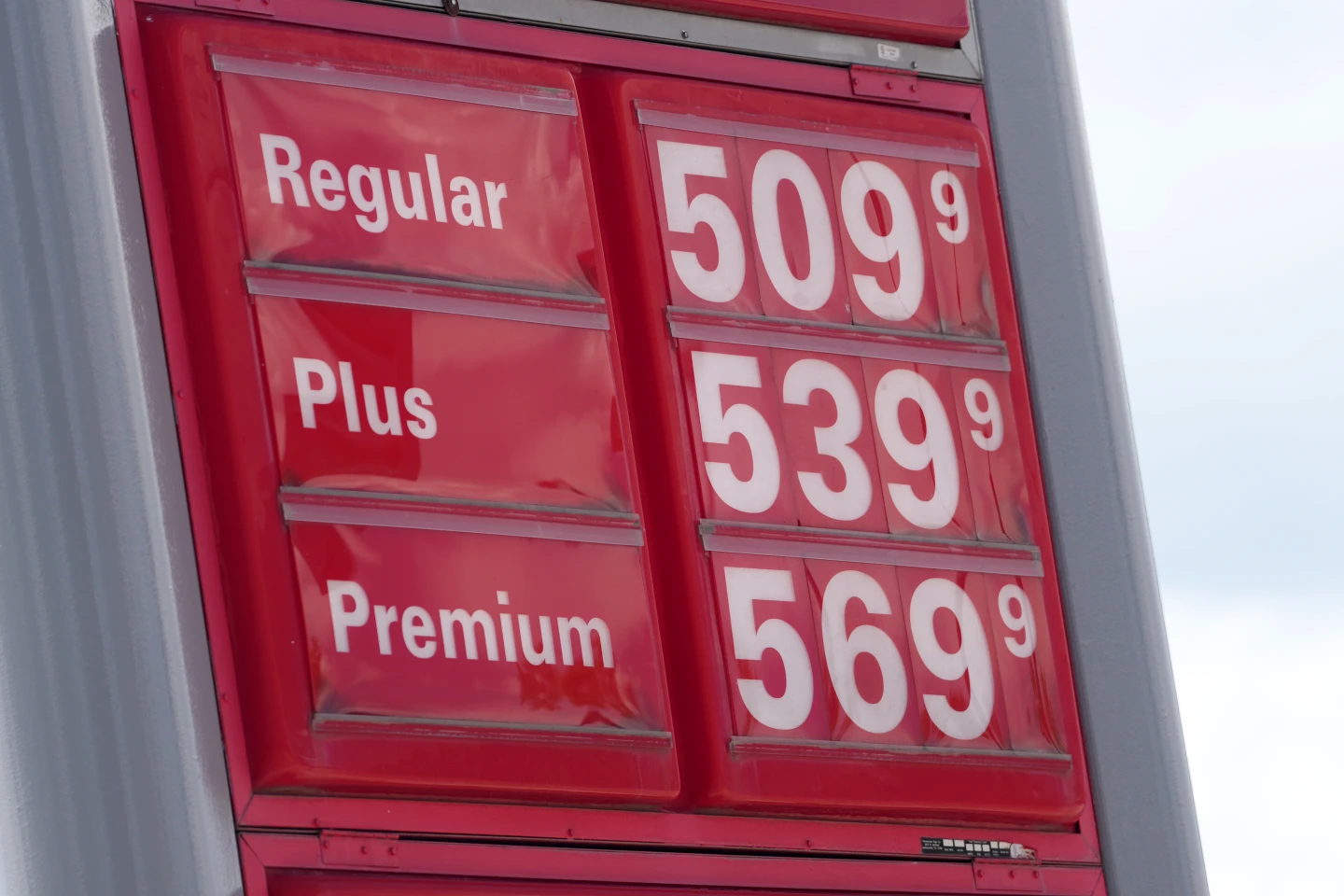
NEW YORK — The ongoing conflict in Iran has had ripple effects across various industries, even impacting what might seem like far-off sectors like toy manufacturing. The sudden spike in crude oil prices is causing manufacturers to see increased costs for countless everyday products which rely on petroleum derivatives.
Aleni Brands, a toy manufacturer based in Fort Lauderdale, is already feeling the pinch. CEO Ricardo Venegas reports that suppliers have increased material costs by 10% to 15% due to the conflict. Venegas noted, “Who would have thought that the price of a toy would have a direct relationship with oil?”
This phenomenon is not limited to toys. The U.S. Department of Energy estimates that over 6,000 consumer products, from electronics to hygiene products, are made with petrochemicals derived from oil. The implications of the rising crude oil prices extend to a range of consumer items, including clothing, food, and everyday household goods.
As travelers face climbing airfare as airlines respond to the rising price of jet fuel, consumers may also notice higher costs for food, furniture, and all manner of goods transported by trucks using diesel fuel.
According to industry statistics, the majority of clothing and footwear products include a significant portion of petrochemical-derived materials. Increased oil prices could adjust prices upwards, with estimates suggesting potential price hikes of 1.5% to 3% for certain shoe models by late summer, translating to real changes for consumers.
Manufacturers will be forced to adapt quickly to these financial pressures. Toys, clothing, and medical supplies like bandages—relying heavily on petrochemical ingredients—are projected to see price increases as early as the end of this year if current oil price trends continue.
"As material costs rise, we can only expect that this inflation will trickle down to consumers," warned one industry expert. Many manufacturers are currently absorbing these costs, but if tensions in the Middle East persist, consumers should prepare for a wide range of price increases next year.