In brief
In a stunning upset, Serbia’s rebel Student List captured 52.7% of the vote, securing a majority in the 250‑seat parliament and handing veteran leader Aleksandar Vučić a decisive defeat. The movement, formed to protest a deadly train station collapse and corruption, rallied support from doctors, academics and actors, turning a flash‑mob protest into a governing force. Vučić conceded on live television after 97% of polling stations reported results, pledging that Serbia could now move past authoritarian rule. Celebrations erupted in Belgrade, Novi Sad, and other cities, with chants of “Serbia is free” echoing through the streets. The new majority vows an overhaul of public institutions, a crackdown on political patronage, and reforms to finally control the state broadcaster, while Serbian citizens and the international community watch closely as the country prepares for a potential path toward the EU.
Serbia’s long‑standing president Aleksandar Vučić made a dramatic vow to leave the political stage after the Student List, a cross‑sectional coalition born of a campus protest, secured a decisive win in the snap parliamentary elections held on 25 October.
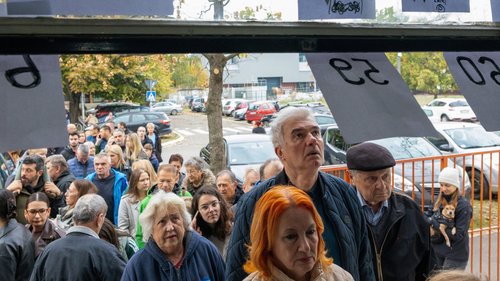
At the height of the celebrations, crowds descended on the center of Belgrade, Novi Sad and other major cities, singing “victory” and setting off fireworks. The Student List had captured 2.25 million votes to Vučić’s 1.67 million, giving them 52.7% of the national vote and a comfortable majority.
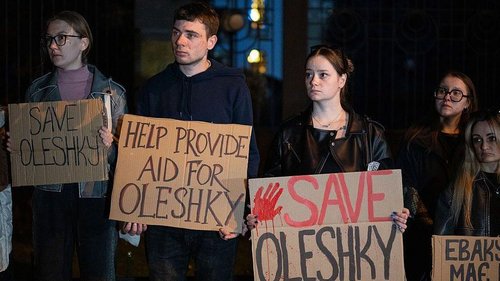
Vučić, who could not run for a third term as president, conceded on live television, saying, "It is clear we have lost these elections." He had called the snap elections after a tragic roof collapse at Novi Sad’s main train station killed 16 people and exposed widespread corruption.
Representative of the Student List, Ilija Srdanović, declared on the BBC that “this will be a free state.” The movement, which features candidates ranging from doctors to actors, promised a comprehensive anti‑corruption platform, the removal of political appointees from state enterprises, and the restoration of an independent public broadcaster.
For Serbia’s citizens, the campaign marked a rare political rebirth. “Serbia is free,” one jubilant student told reporters, “It’s a miracle.” Even Serbia’s activist‑backed court of Brussels welcomed the win, as the European Commission projected a new chapter opening toward EU accession.
The new Student List majority faces immediate challenges: forming a stable cabinet, electing a prime minister from its ranks, and steering reforms that promise a clean, transparent government. With the parliamentary speaker Ana Brnabić in a caretaker role, the nation watches as the mandate of a new political force takes shape.