In brief
An independent BBC investigation documents 43 assaults on hospitals and medical facilities in El‑Fasher, Sudan, during the Rapid Support Forces’ siege and takeover. The attacks, spanning May 2024 to October 2025, have killed over 50 medical staff and forced many to flee or abandon hospitals. International bodies, including UN human rights chief Volker Türk, condemn the actions as war crimes. RSF has denied any wrongdoing, labeling the claims as propaganda. The strategy has devastating long‑term effects on civilian health services and highlights the broader humanitarian crisis in Sudan.
A comprehensive BBC inquiry has uncovered a deliberate campaign by the Rapid Support Forces (RSF) to destroy the medical infrastructure of El‑Fasher in western Sudan during the city’s siege and subsequent occupation.
The report lists 43 distinct attacks on hospitals and medical facilities between May 2024 and October 2025. These included shelling, drone strikes and targeted artillery that hit the same sites repeatedly, crippling emergency, surgical and maternity services.
Health facilities in the city suffered severe losses: 120 staff were wounded, 55 were killed and 10 were forcibly disappeared or abducted. Operative surgeons and nurses have testified that expulsions, ethnic slurs and physical intimidation forced many to abandon their posts or leave the city entirely.
International Response
UN Human Rights Chief Volker Türk described the findings as "deeply disturbing" and outlined that the systematic targeting of medical personnel and infrastructure constitutes serious violations of international humanitarian law, potentially amounting to war crimes.
The World Health Organization has condemned the bombing of a hospital in RSF‑held eastern Darfur, describing it as an act that may constitute war crimes. WHO officials view El‑Fasher as a stark example of how the Sudan conflict has devastated healthcare delivery.
RSF officials deny the allegations, labeling them as part of a broader propaganda campaign by the Sudanese army and its allies. RSF health minister has called the claims "propaganda" and denied any intent to silence medical staff.
On‑the‑Ground Accounts
Surgeons who worked in the city during the siege reported that the RSF tried to incapacitate hospitals “to remove the health system as a cornerstone of the city.” Refused to cooperate, many doctors faced intimidation, with some being attacked or incapacitated by paramilitaries who did not recognize them as medical personnel.
The Saudi Maternity Hospital, the last functioning facility by October 2025, endured continuous shelling and drone attacks, often with up to 25 incursions on a single day. Medical staff devised underground bunkers and mobile wards to keep treating patients, but operations were repeatedly halted by the threat of attack.
During an RSF raid on 8 June, staff were surrounded and forced to flee. The RSF later entered the building, resulting in the destruction of equipment and the death of several patients. In subsequent months, a series of attacks culminated in the RSF storming the facility on 25 October 2025, during which an alleged massacre of over 460 patients was reported by the UN, though RSF officials have denied it.
Long‑Term Impact
Current medical services in El‑Fasher remain under RSF‑backed administration, with sporadic attempts to reopen closed hospitals. However, the physical damage and loss of skilled personnel have left the city’s health system severely impaired.
Image Caption
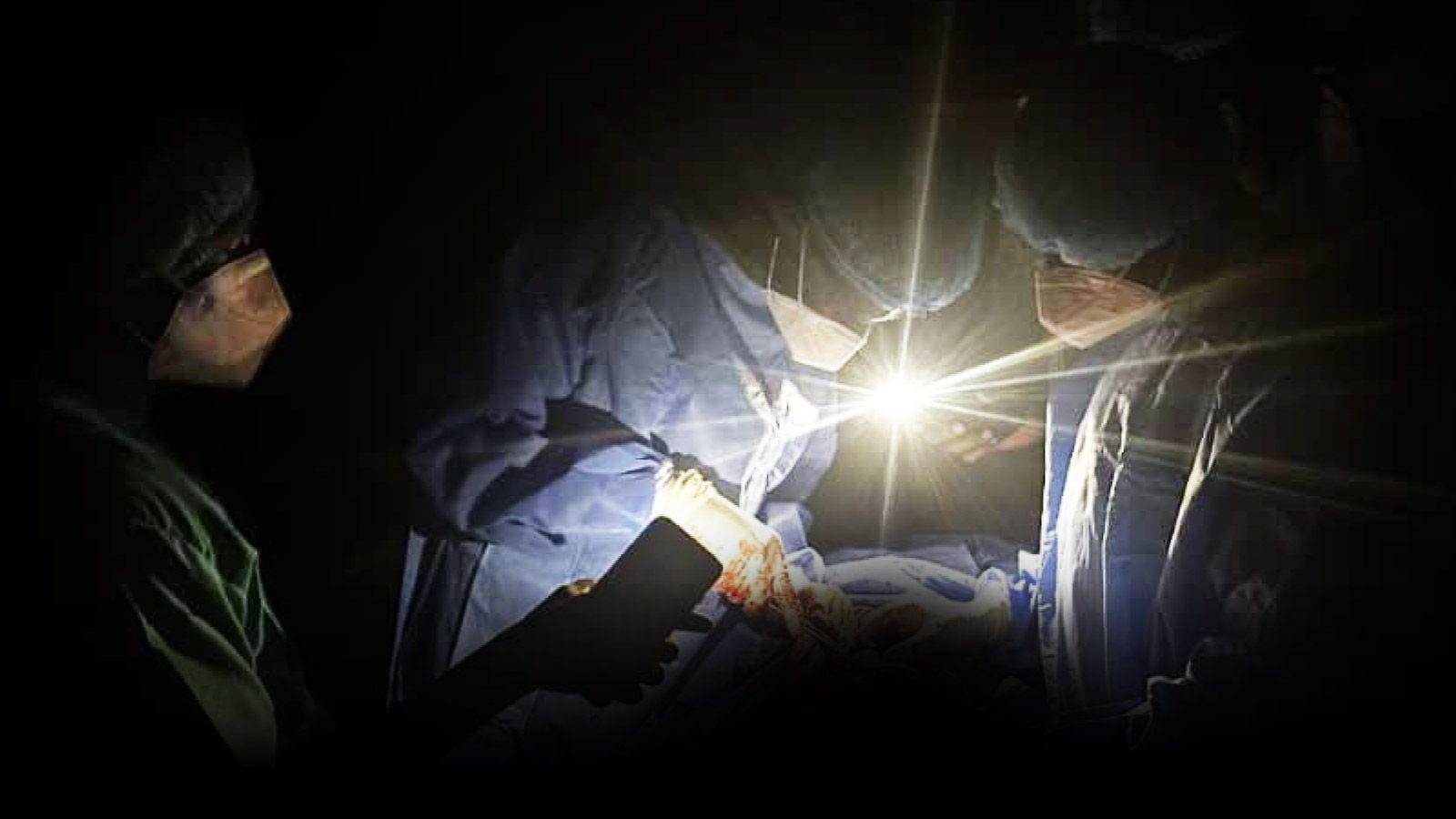
Medics at El‑Fasher's Saudi Hospital performed a Caesarean on the day the facility was bombed.