In brief
A Swiss glacier’s retreat has uncovered the long‑mISSING bodies of two Belgian mountaineers from 1992. The discovery came after a hiker found the remains on the Trift Glacier near Lucerne, and DNA tests confirmed their identities. This event underscores a broader pattern of missing crews reappearing as Swiss glaciers shrink, a trend linked to escalating global temperatures. The finding also raises questions about how climate‑driven ice loss may expose other cold‑locked remnants and affect the region’s climbing heritage.
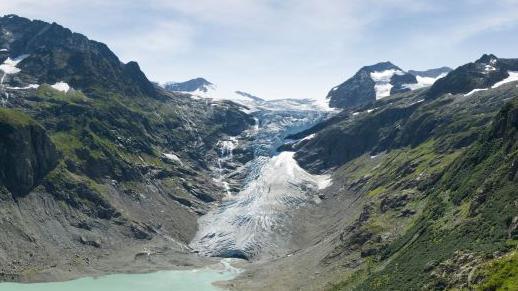
The bodies of two Belgian men who went missing in the Swiss Alps in 1992 have been discovered after being exposed by the melting of a glacier, police say.
A hiker found the remains on 26 July on the Trift Glacier, south of Lucerne. DNA testing later confirmed the men were 39 and 41 at the time of their disappearance, who had vanished near the 4,000‑metre Weissmies mountain.
Experts attribute the rapid retreat of Swiss glaciers – which have shrunk by roughly a quarter over the last decade, according to Glacier Monitoring in Switzerland (Glamos) – to climate change. The melting has uncovered several other missing persons’ remains, including a German climber found on a glacier near the Matterhorn in 2023.
Glacier shrinkage has accelerated globally since the 1990s and at an especially rapid pace since 2000. Data from the European Commission’s Copernicus monitoring body show the trend is continuing, with Switzerland shedding an additional 3% of glacial mass in 2025 alone.
The temperature rise has brought unseasonably warm weather to Switzerland’s higher altitudes, reducing snow cover and threatening the viability of ski resorts that rely on consistent snowfall.
The Valais police have organized a recovery operation, transporting the bodies to a hospital in Sion for identity confirmation and providing closure for the families involved.