In brief
Syria reacted angrily to an Israeli air raid that shattered a civilian vehicle in Beit Jinn, southwest of Damascus, claiming it breached its sovereignty. The blast injured several residents, and the attack was the second of its kind in recent weeks after Israel hit the Abu al-Duhur airbase. Washington and Ankara have also weighed in, with the U.S. labeling the assault an unwarranted escalation. Israeli officials blamed their mission on intelligence about a presumed terrorist threat while downplaying any Turkish involvement. The incident highlights the tense geopolitics in Syria, where Israel maintains occupied territories following the 2024 collapse of Bashar al‑Assad’s regime.
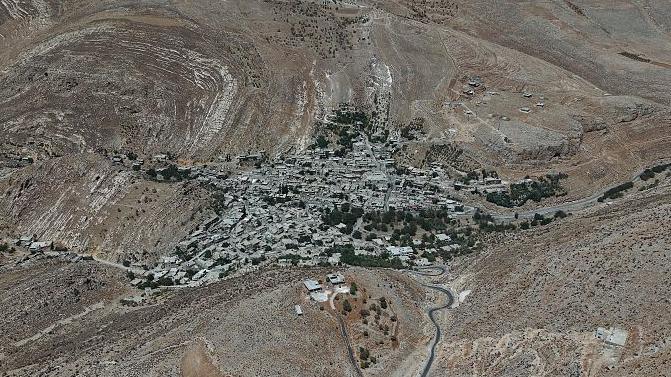
On 22 August, Syria issued a formal condemnation of an Israeli air strike that targeted Beit Jinn, a small village located southwest of Damascus. According to Syrian officials, the drone strike destroyed a civilian vehicle, injuring several residents and asserting a blatant breach of Syrian sovereignty and international law.
Beit Jinn’s attack marks the second Israeli strike in Syria in less than a week, following an earlier raid on the Abu al‑Duhur military airbase near the Turkish border. The Israeli military’s account, released on X, claimed it struck a “terrorist” preparing to launch attacks on Israel. A senior Israeli defense minister later dismissed U.S. diplomatic criticism as “full of inaccuracies.”
Washington’s response was unexpectedly critical, calling the strike “an unnecessary escalation that does not advance regional stability.” U.S. Ambassador to Turkey Tom Barrack suggested the attack might be an attempt by Israel to “bait” Turkey into involvement amid upcoming Israeli elections, a claim dismissed by Israeli officials who cited intelligence on Turkish intentions.
Reports indicate the Abu al‑Duhur airbase has been out of service since 2013, and was seized by anti‑Assad forces in December 2024. While Israel occupies part of southern Syria, it continues to view Turkey and the new Syrian government with suspicion, despite Turkish support for post‑Assad reconstruction efforts. The new Syrian regime, under the leadership of Assad’s successor, has pursued closer ties with Western nations, including hosting the first Syrian leader to visit the U.S. White House in November 2025.