Taiwan has insisted it is a sovereign, independent nation, following US President Donald Trump's caution about formally declaring independence from China.
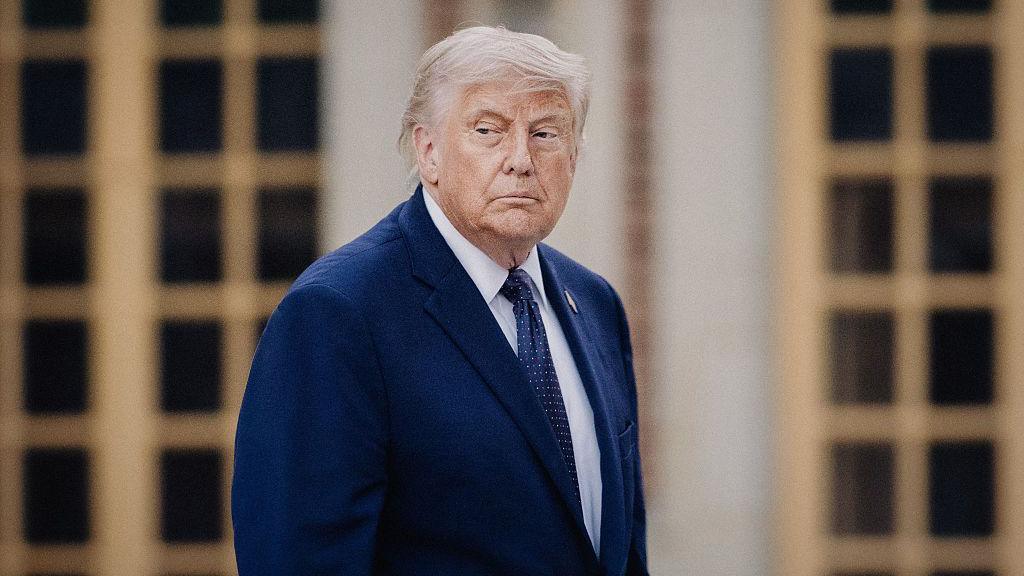
Trump's comments came after a two-day summit in Beijing, where he stated he had 'made no commitment either way' regarding Taiwan, which China claims as part of its territory.
After talks with Chinese President Xi Jinping, Trump indicated that he would soon decide on an $11 billion arms package intended for Taiwan. The US is legally obliged to provide Taiwan with defense means but must balance this with its diplomatic ties with China.
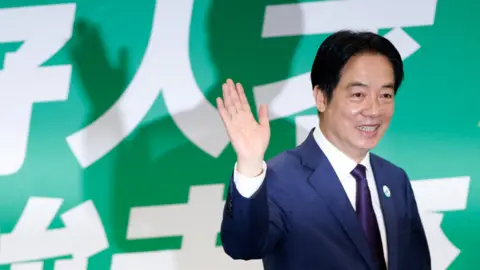
Taiwanese President Lai Ching-te emphasized that the island does not require a formal declaration of independence because it already sees itself as a sovereign entity. Spokesperson Karen Kuo stated that it is 'self-evident' Taiwan is 'a sovereign, independent democratic country,' while affirming a commitment to a status quo that neither declares independence nor unites with China.
Public sentiment in Taiwan largely recognizes itself as a separate nation, although many prefer to maintain the current status without major shifts.
The US maintains that it does not support Taiwanese independence but has significant informal relations with the island. Trump's continued engagement with Taiwan's leadership was noted, although formal presidential communications typically risk tensions with Beijing.
In an interview with Fox News, Trump reiterated that US policy on Taiwan remains unchanged, seeking to de-escalate tensions with China, emphasizing that he does not desire conflict over Taiwan independence.
Tensions between China and Taiwan have risen in recent years, particularly due to increased military exercises by China near the island. Trump indicated the upcoming arms sale would be discussed with Taiwan's leadership to bolster their defense.
Despite the complexities of diplomatic relations, Taiwan remains committed to deepening cooperation with the US to ensure peace and stability in the region.