Colombia’s Bruised Conflict Shapes the Presidential Race
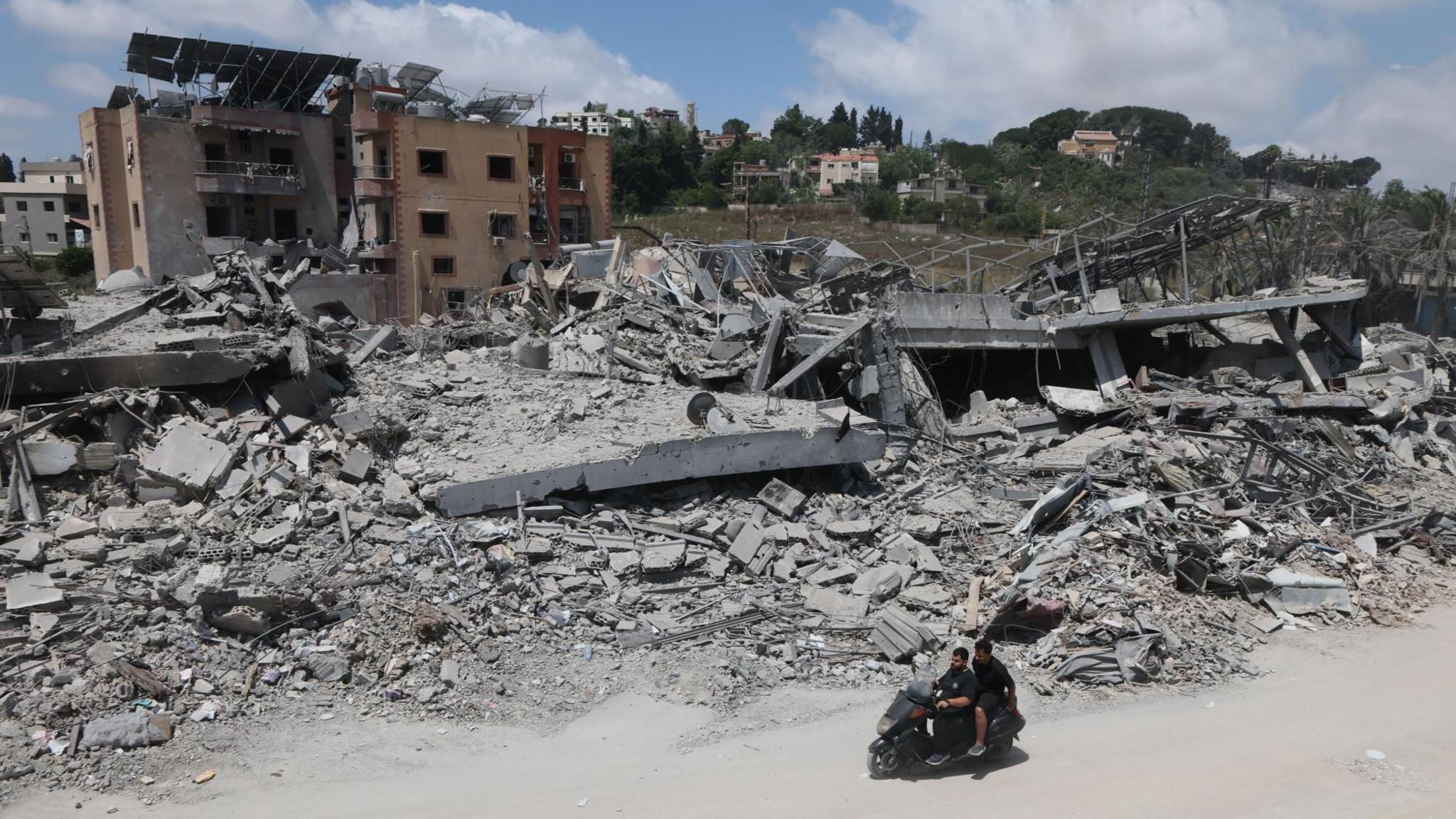
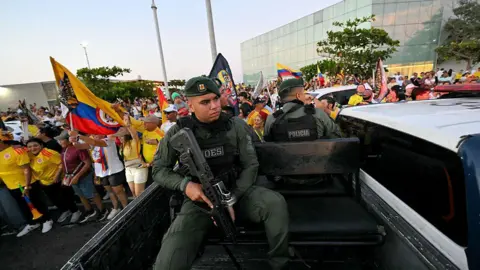
“My brother was murdered for not paying an extortion payment…in front of his children,” says Edilma Martinez Flores at a Bogotá support centre. Her story echoes a wider crisis: armed groups hand out leaflets, demand payment, and then shoot residents. Families leave their homes, burn caches of explosives, and struggle to reach safety.
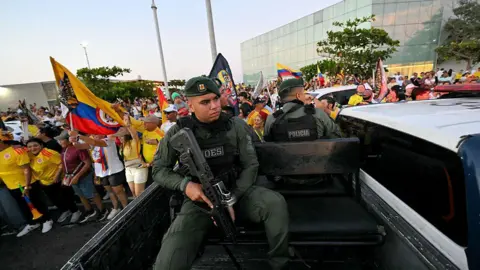
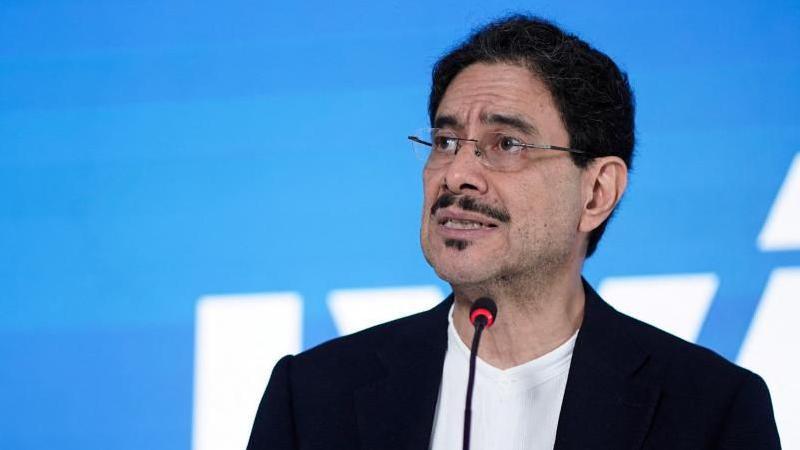
The violence that has long plagued Colombia has intensified, with FARC dissident factions, the ELN, and the Clan del Golfo reigniting fights near Venezuela’s border. In the last year, the region has displaced tens of thousands of civilians. The presidential candidates contend over how to stop the violence: the left‑wing Ivan Cepeda, a main architect of the 2016 peace accords, continues to advocate for negotiated solutions and state presence in former conflict zones. He argues that diplomacy has prevented larger bloodshed, though critics claim it has allowed armed groups to enlarge their territories.
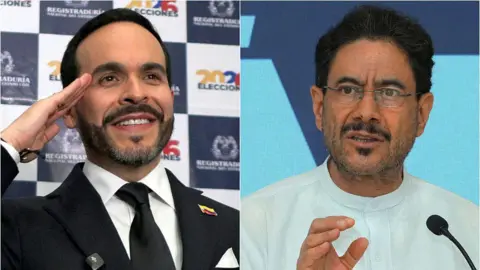
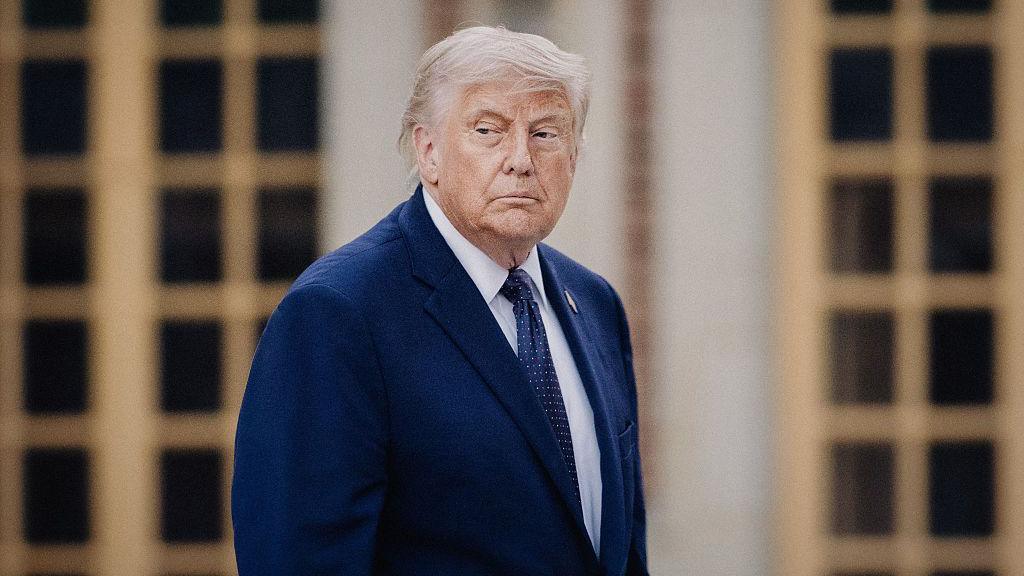
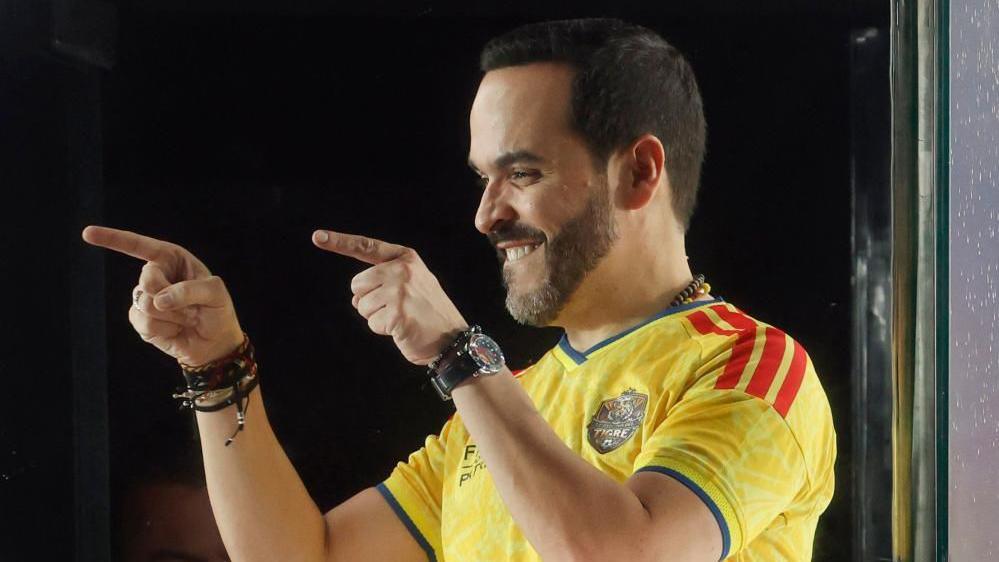
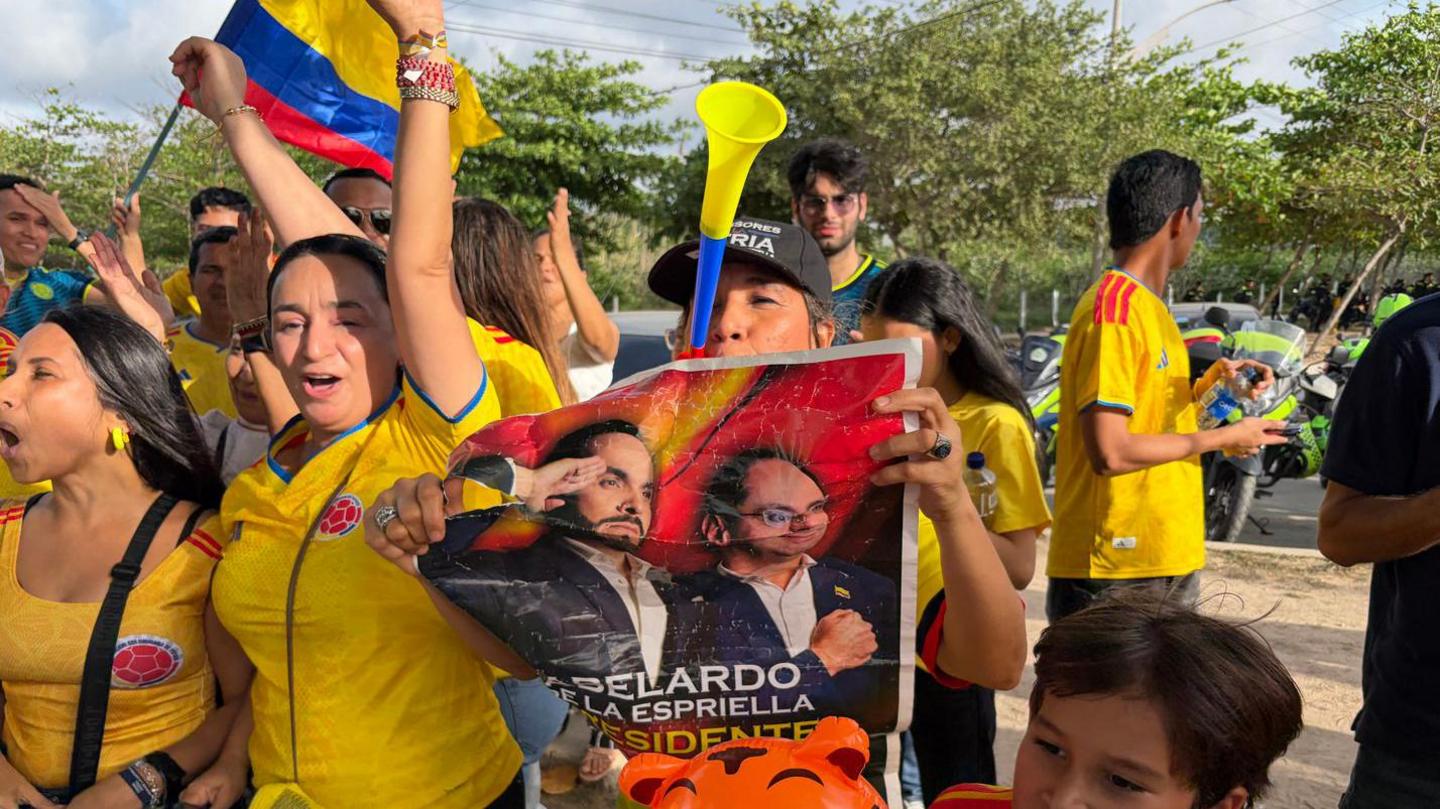
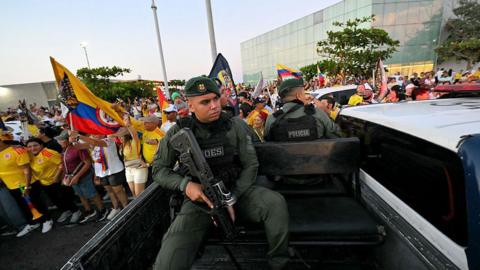
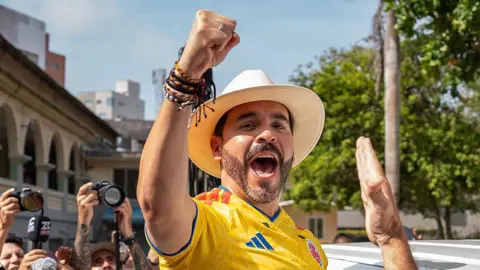
Conversely, Abelardo de la Espriella offers a hard‑line approach, promising ten mega‑prisons, a “tough military crackdown” and an end to talks with guerrillas. Backed by former President Trump, he calls himself “El Tigre” and promises to “take down” every criminal who does not surrender.
The stakes are personal. In Bogotá, victims’ support centres document rising forced displacement—300% higher from 2024 to 2025—driven by cocaine production, irregular army presence after FARC’s 2016 demobilisation, and perceived government failure. Erin Gamboa reports his half‑brother being taken by FARC guerrillas, and a small food‑delivery business extorted by a man posing as a FARC member.
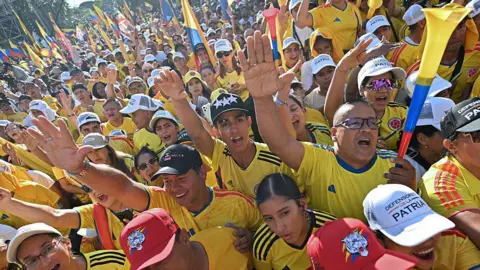
Many Colombians feel that the election will decide whether hard‑state measures or inclusive negotiation will finally protect communities. Younger voters, represented by Catalina La Grande, support Cepeda’s mention of “coercive forces” and social programmes, while supporters of de la Espriella see him as decisive on drug trafficking. The contrasting visions will split the nation before the next vote.
With the Saturday runoff looming, the country’s future depends on a policy that can move from the legacy of war to genuine, sustainable peace.