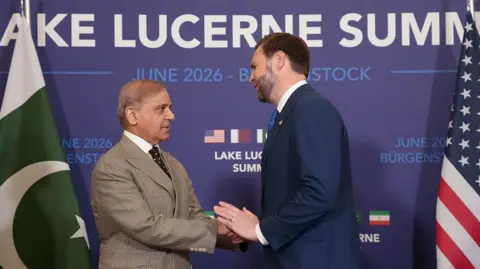
US and Iranian officials have started direct talks in Switzerland after signing an initial agreement to end the war last week.
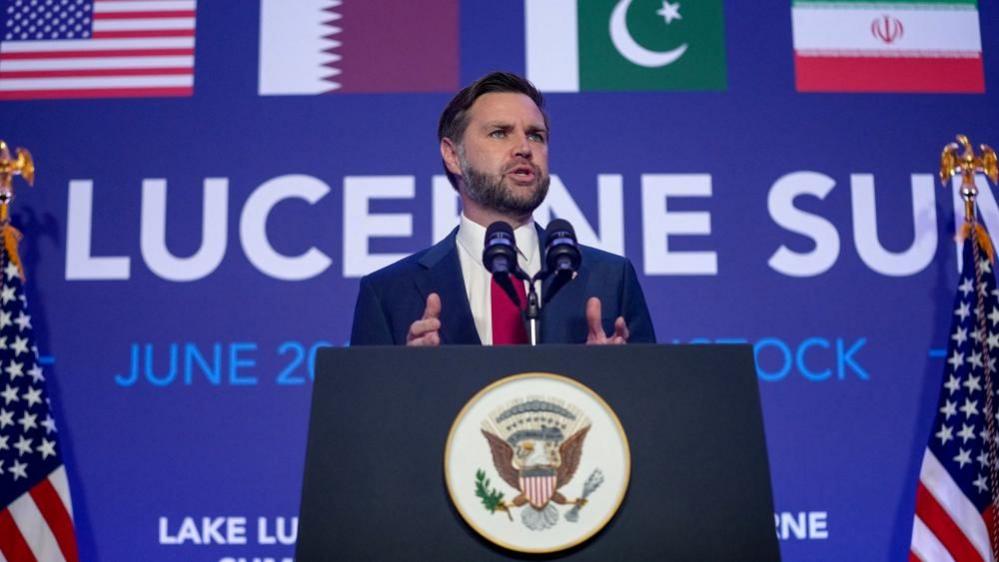
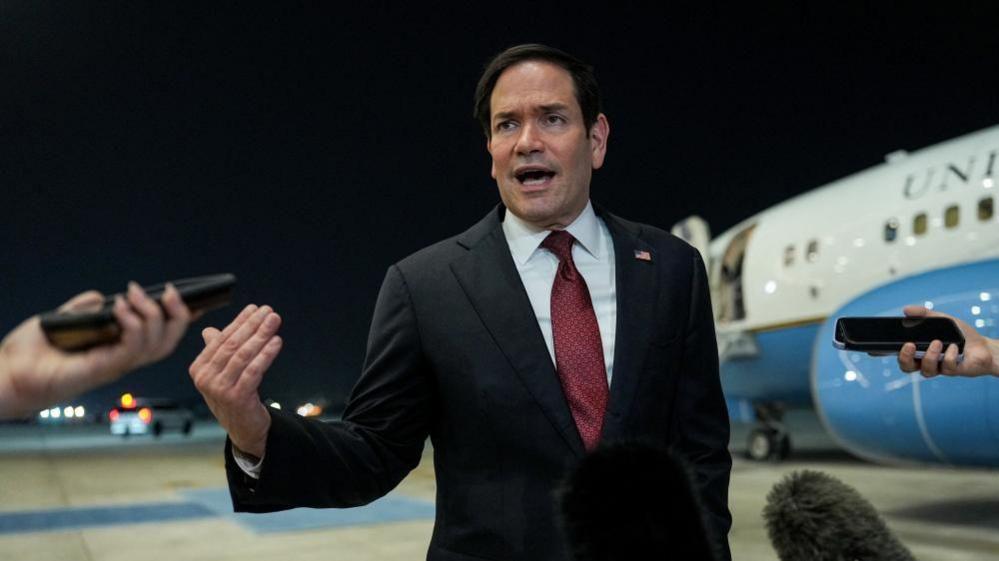
The meeting, held at the Bürgenstock resort, brought together Vice‑President JD Vance, President Trump’s son‑in‑law Jared Kushner, and Special Envoy Steve Witkoff for the United States, and parliamentary speaker Mohammad Bagher Ghalibaf and Foreign Minister Abbas Araghchi for Iran.
The agreement calls for all forces to cease fighting on “all fronts”, including in Lebanon, and for the Strait of Hormuz to be reopened, a key maritime route that carries roughly 20% of the world’s oil and gas. It also promises a £224 bn ($300 bn) reconstruction programme for the region and the removal of all sanctions on Iran.
However, the central issue of Iran’s nuclear programme – the reason the United States withdrew from the early‑2000s deal – remains pending and will be negotiated in later stages.
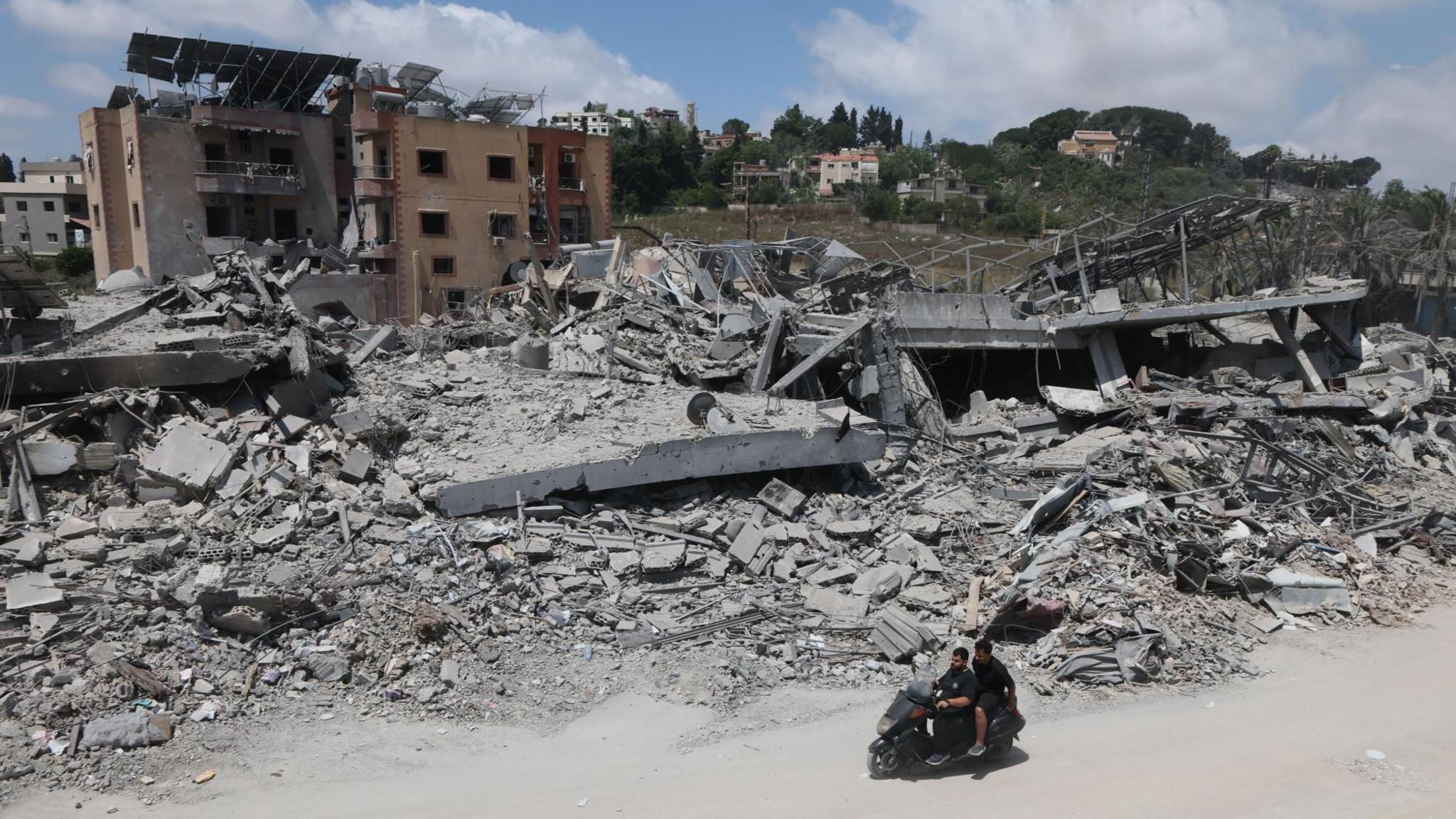
In spite of the pact, violence between Israel and Hezbollah has persisted, with Israel’s air strikes killing at least 67 people and Hezbollah’s attacks taking five Israeli soldiers. The ceasefire signed by the two sides on Friday has not ended the conflict.
Lebanon also remains in turmoil; since early March, the health ministry reports 4,057 deaths, with additional casualties on both Israeli and Lebanese sides.
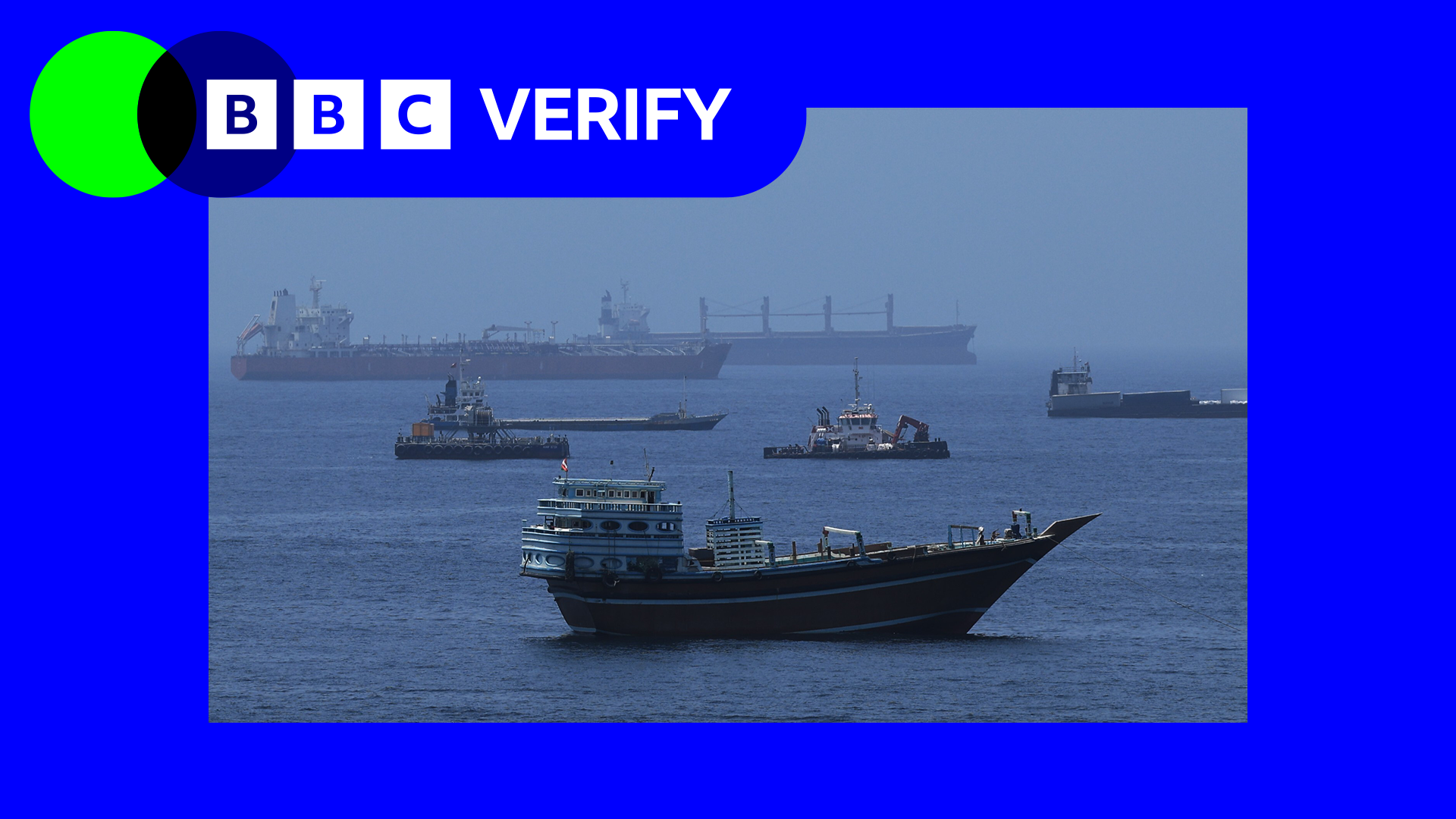
Maritime tracking data shows that although Iran announced a temporary closure of the Strait of Hormuz, some vessels entered and exited the passage over the weekend, suggesting the route is still in use.
Iranian officials stress that their nuclear programme is peaceful, while the United States seeks assurances that Iran will halt all military operations and comply with earlier commitments.
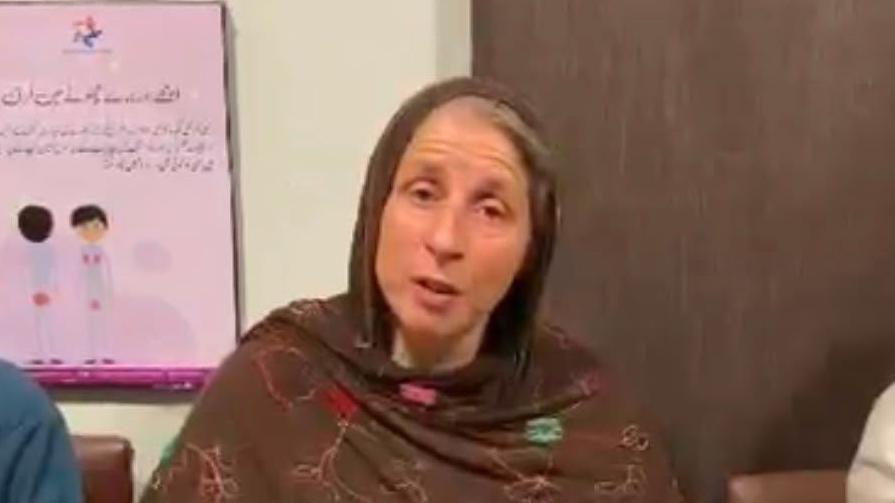
Pakistan’s Prime Minister Shehbaz Sharif and the head of its armed forces, Field Marshal Asim Munir, joined the delegations, signalling Pakistan’s role as a mediator in the conflict.
The initial deal is seen as a crucial step toward ending hostilities but also highlights the complex interplay of regional powers, ongoing security concerns, and the unresolved nuclear question.