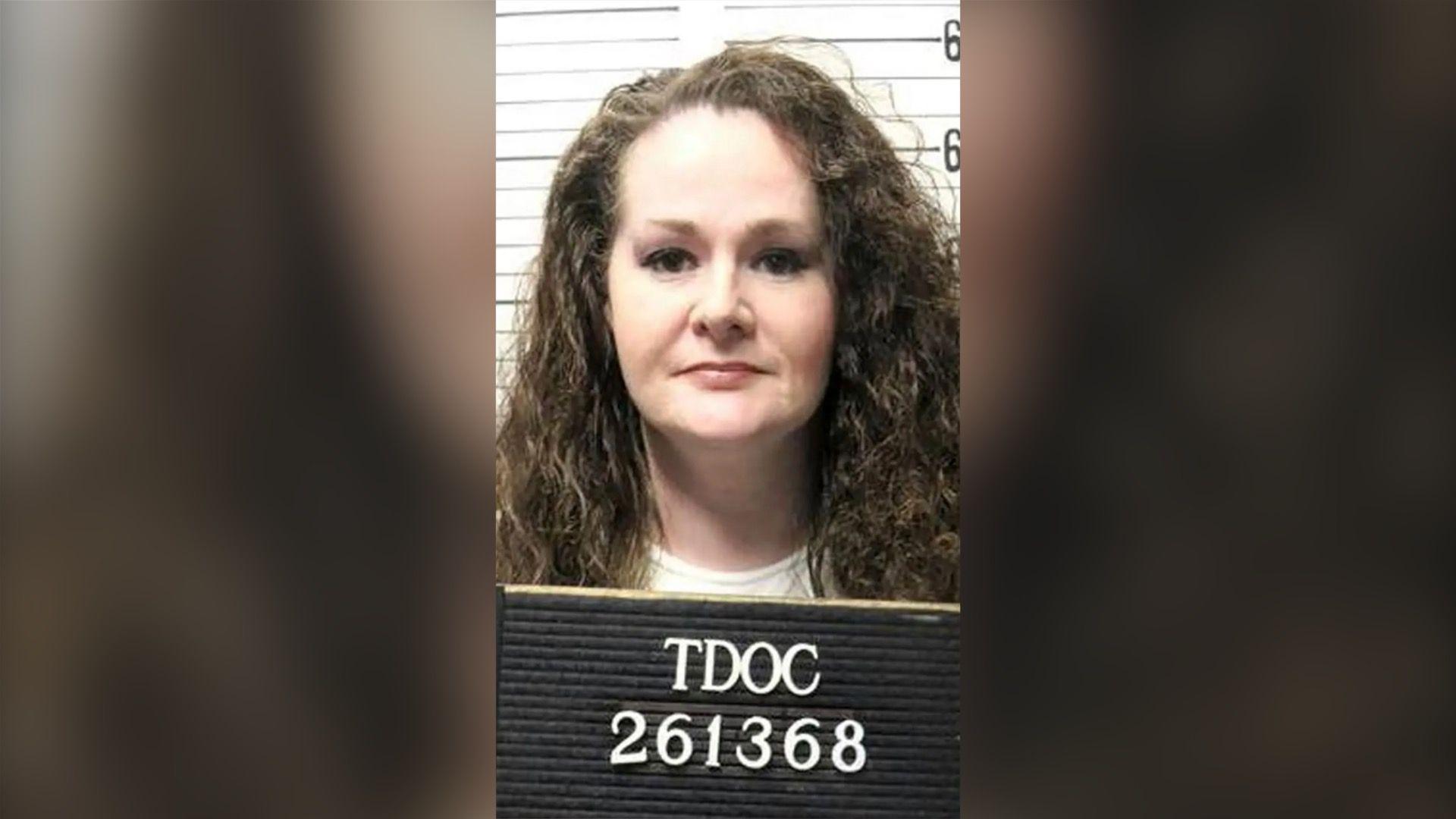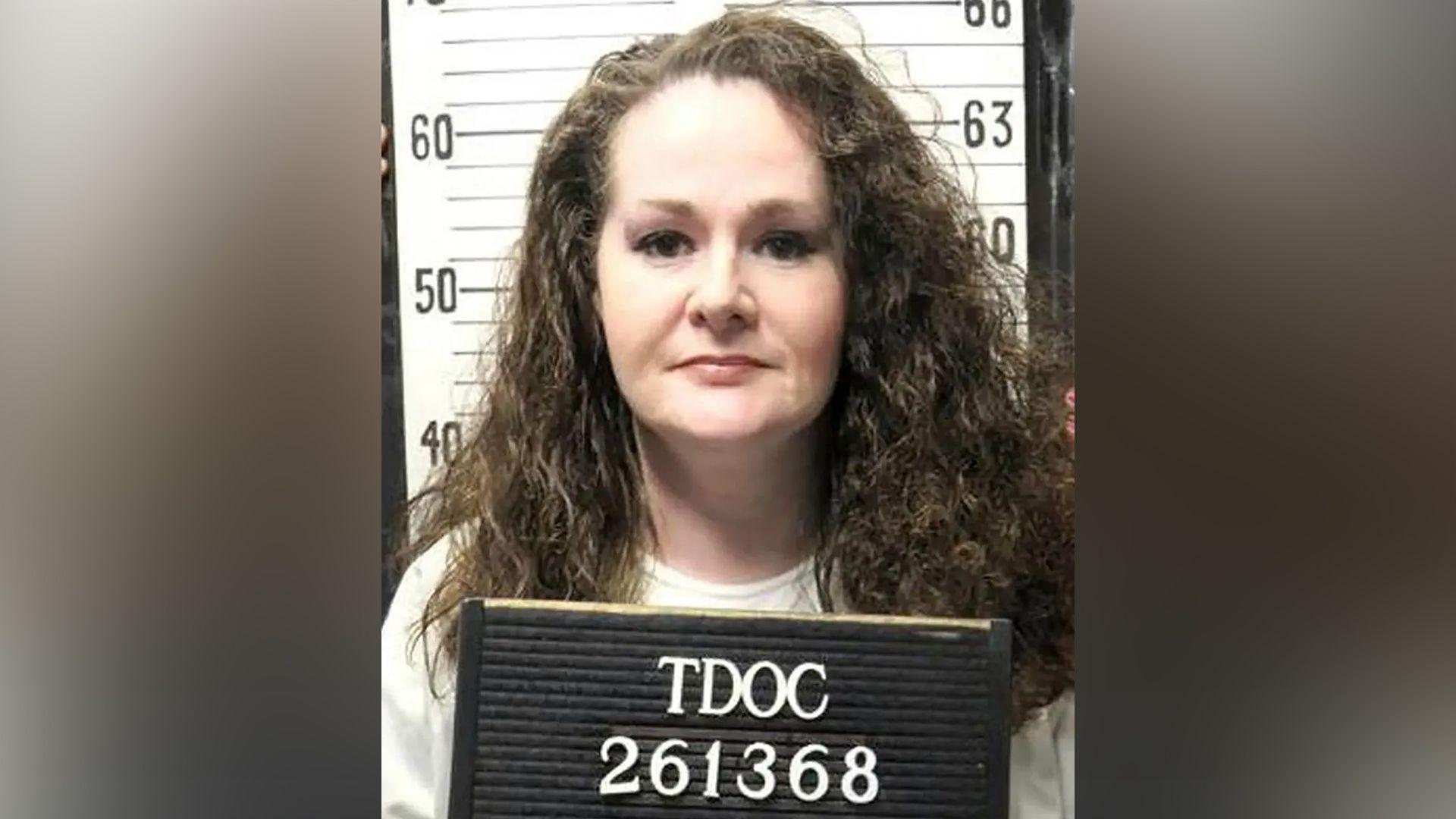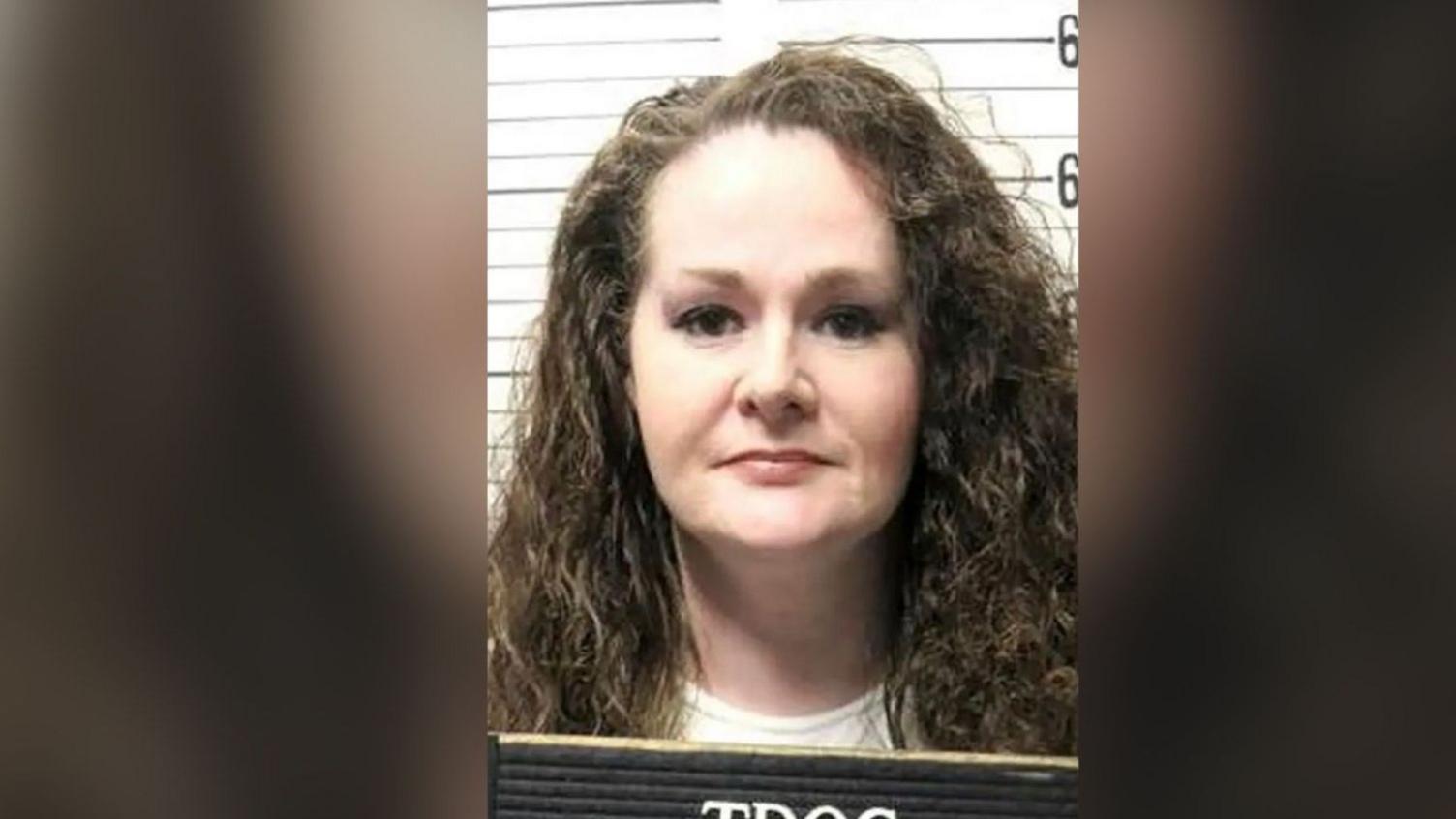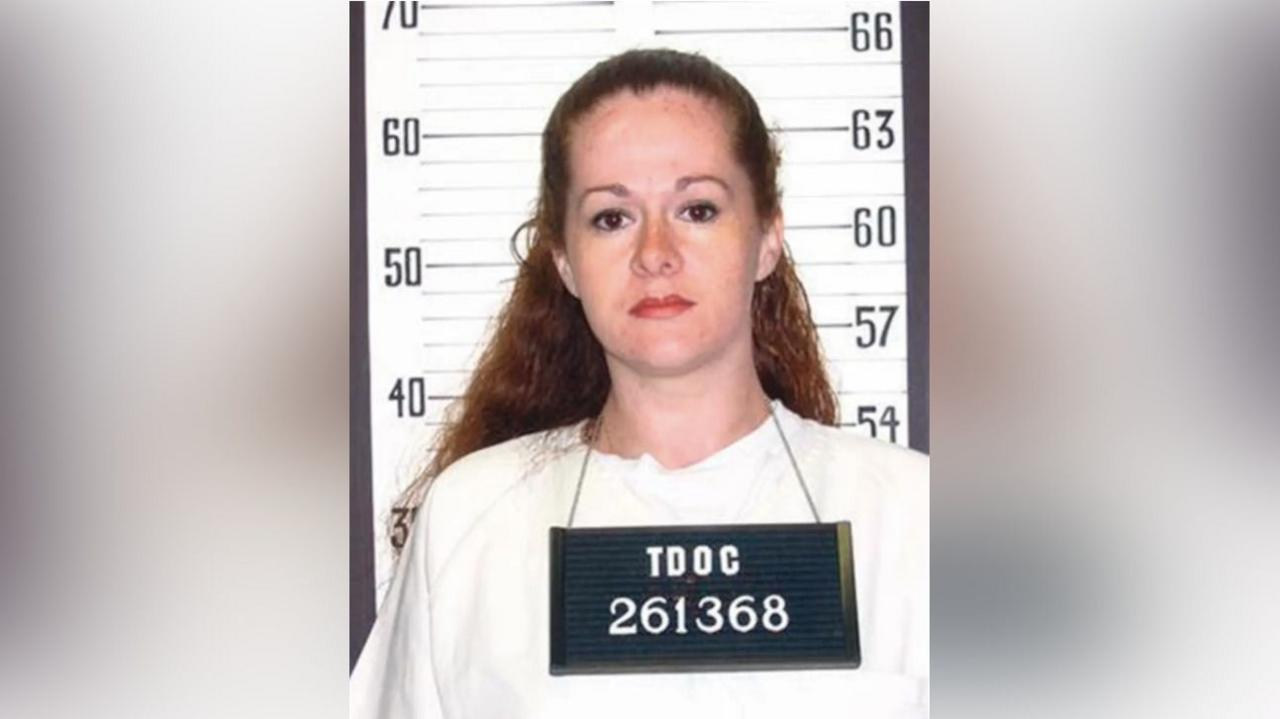

In a shocking turn of events, Tennessee’s execution protocol failed twice against death‑row inmate Christa Pike, forcing the state to halt all executions for the remainder of 2026.
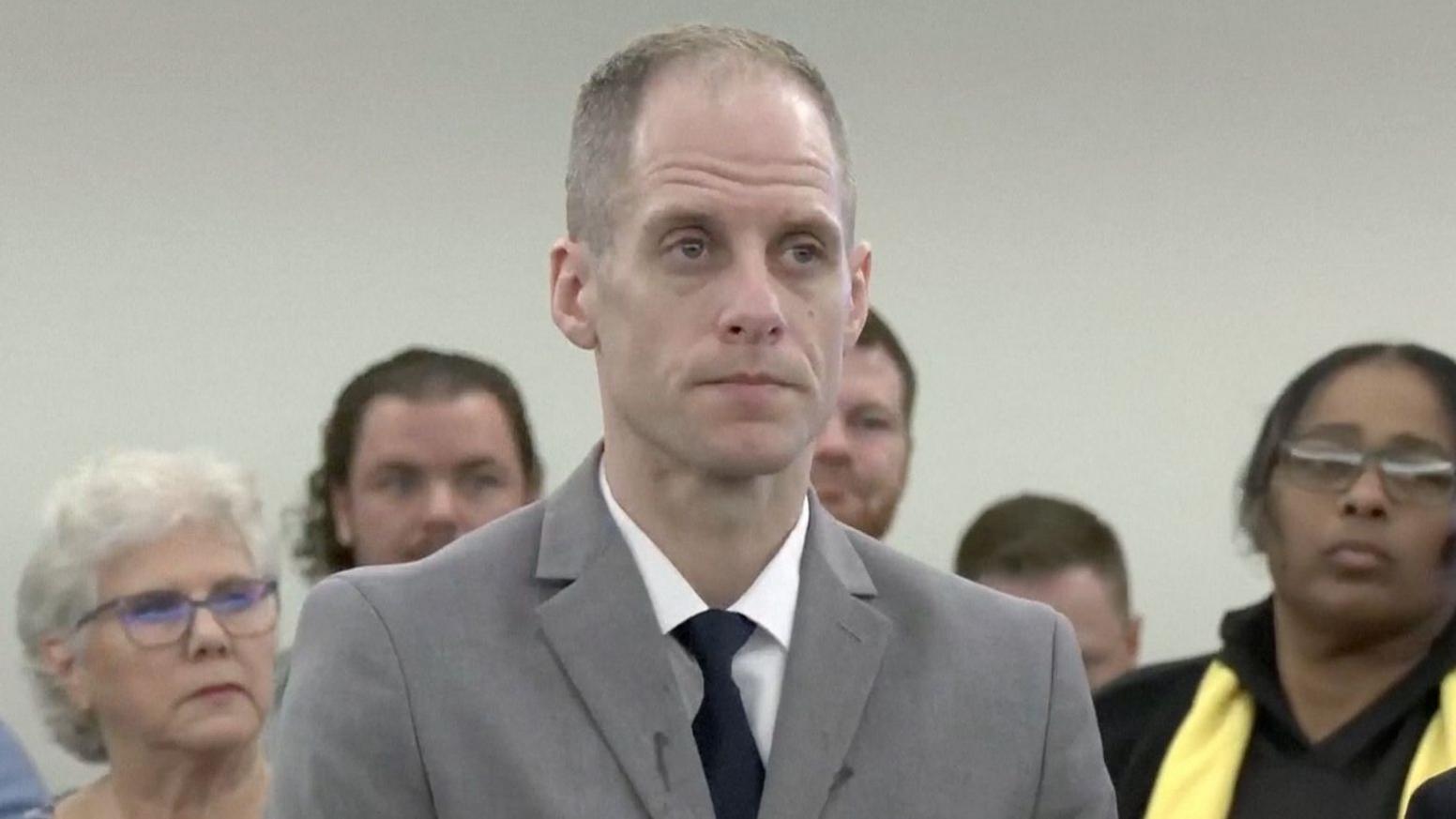
Governor Bill Lee announced that Tennessee would suspend every execution scheduled for the rest of the year following two lethal injections administered in a single night that did not end Pike’s life. Lee said that "lawful executions are among the state’s most serious responsibilities" and called for a third‑party review to determine exactly what went wrong.
Pike, 50, was sentenced to death in 1996 for the murder of 19‑year‑old Colleen Slemmer, a crime that she and her then‑boyfriend, Tadaryl Shipp, carried out by beating and torturing the victim in 1994. Pike would have become the first woman executed in Tennessee in more than 200 years.
After the botched execution, Pike was taken to a hospital for medical care. Her recovery status remains unclear, but her attorneys insisted that she required life‑saving interventions. The Department of Corrections defended the procedure, stating that every step of the lethal‑injection protocol approved by the Attorney General’s office was followed correctly.
This incident is the second failed execution attempt in Tennessee this year. In May, the execution of Tony Carruthers was aborted because staff could not locate a vein for drug injection, leading to his one‑year reprieve. The recent pause will overlap with the scheduled execution of convicted murderer Gary Sutton on December 3.
While the governor has not yet named the body or people responsible for the upcoming review, the event has reignited a national debate over the use of lethal injections and the transparency of capital‑punishment procedures in the United States.