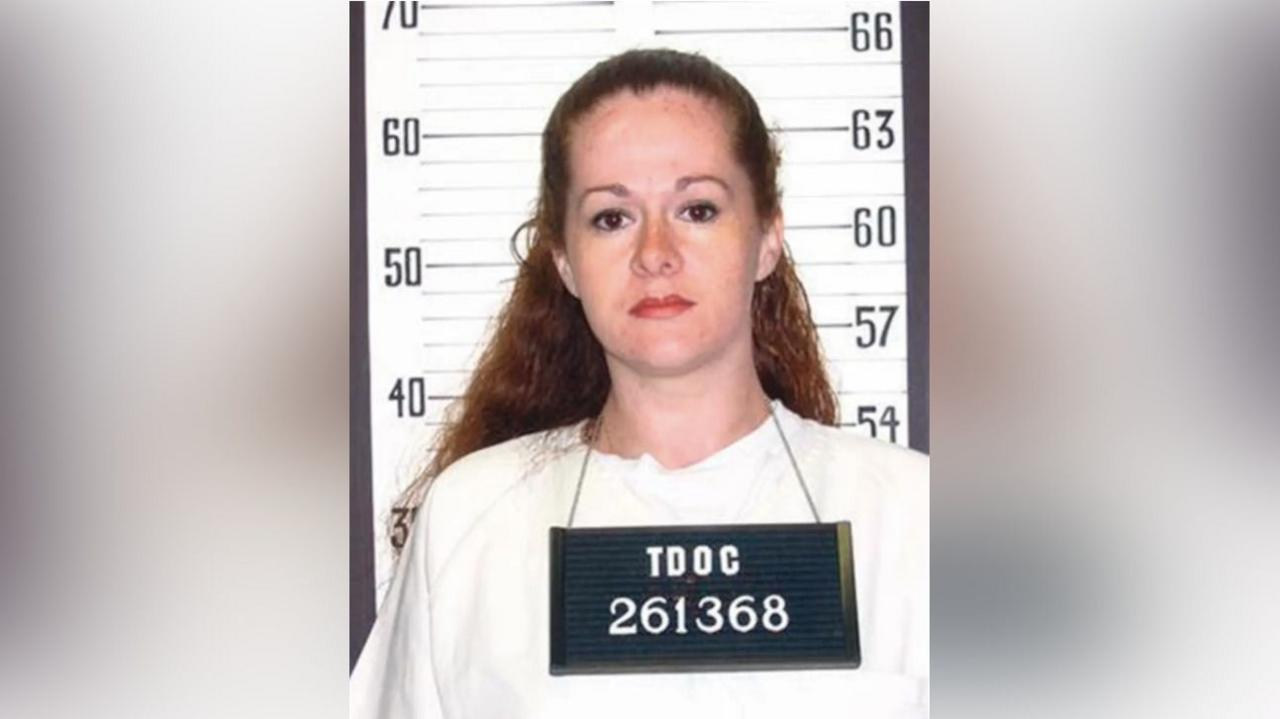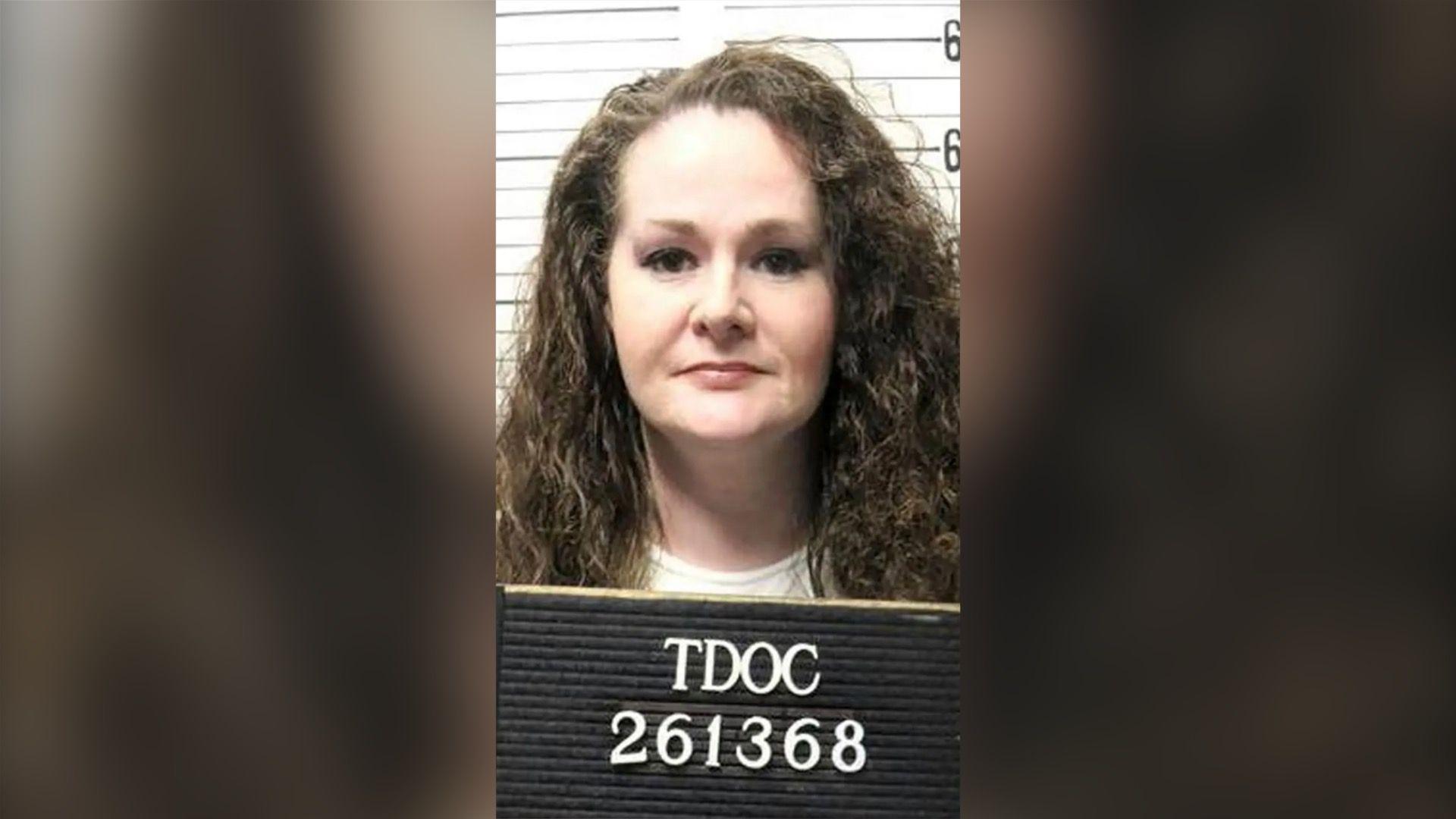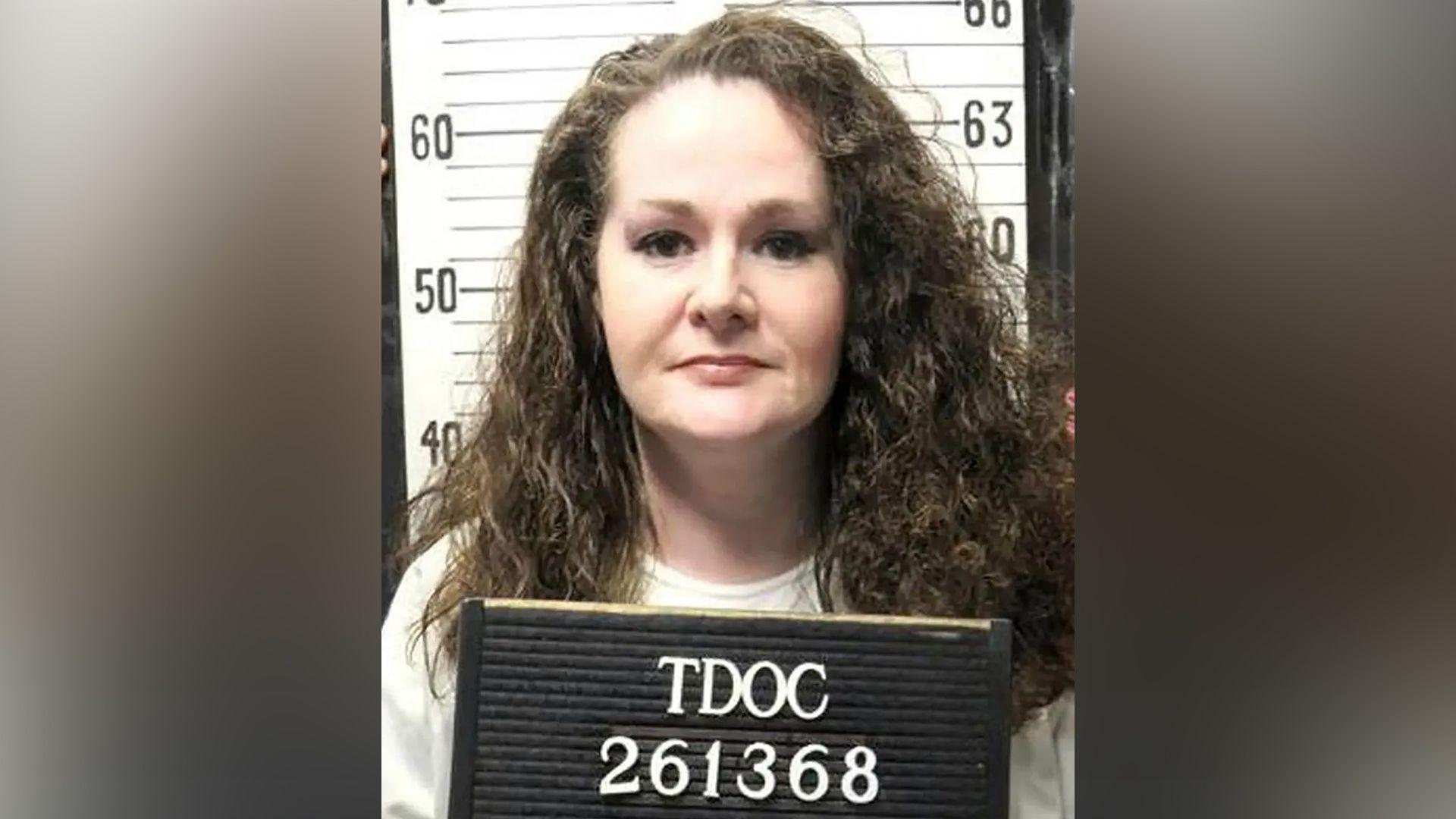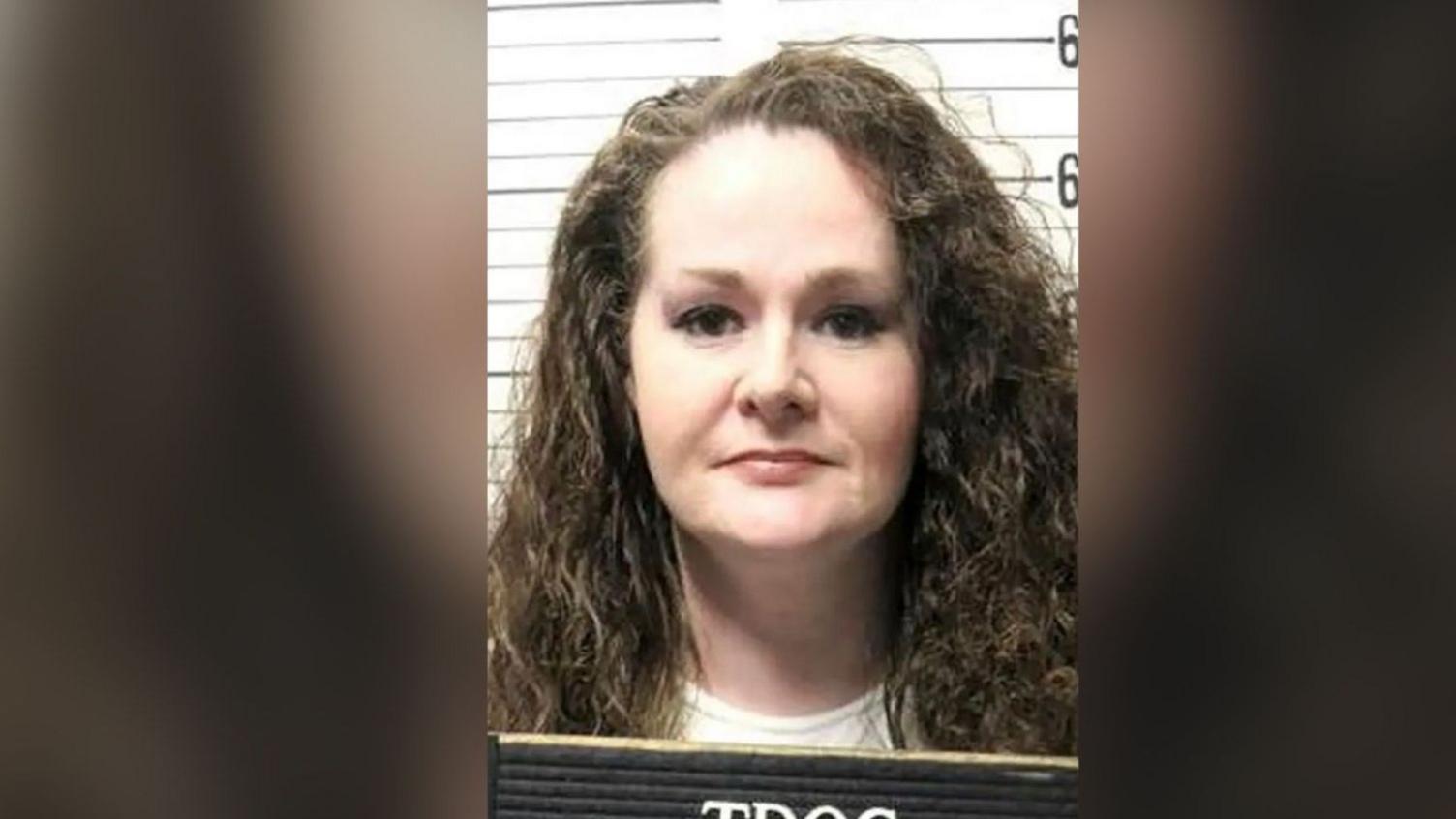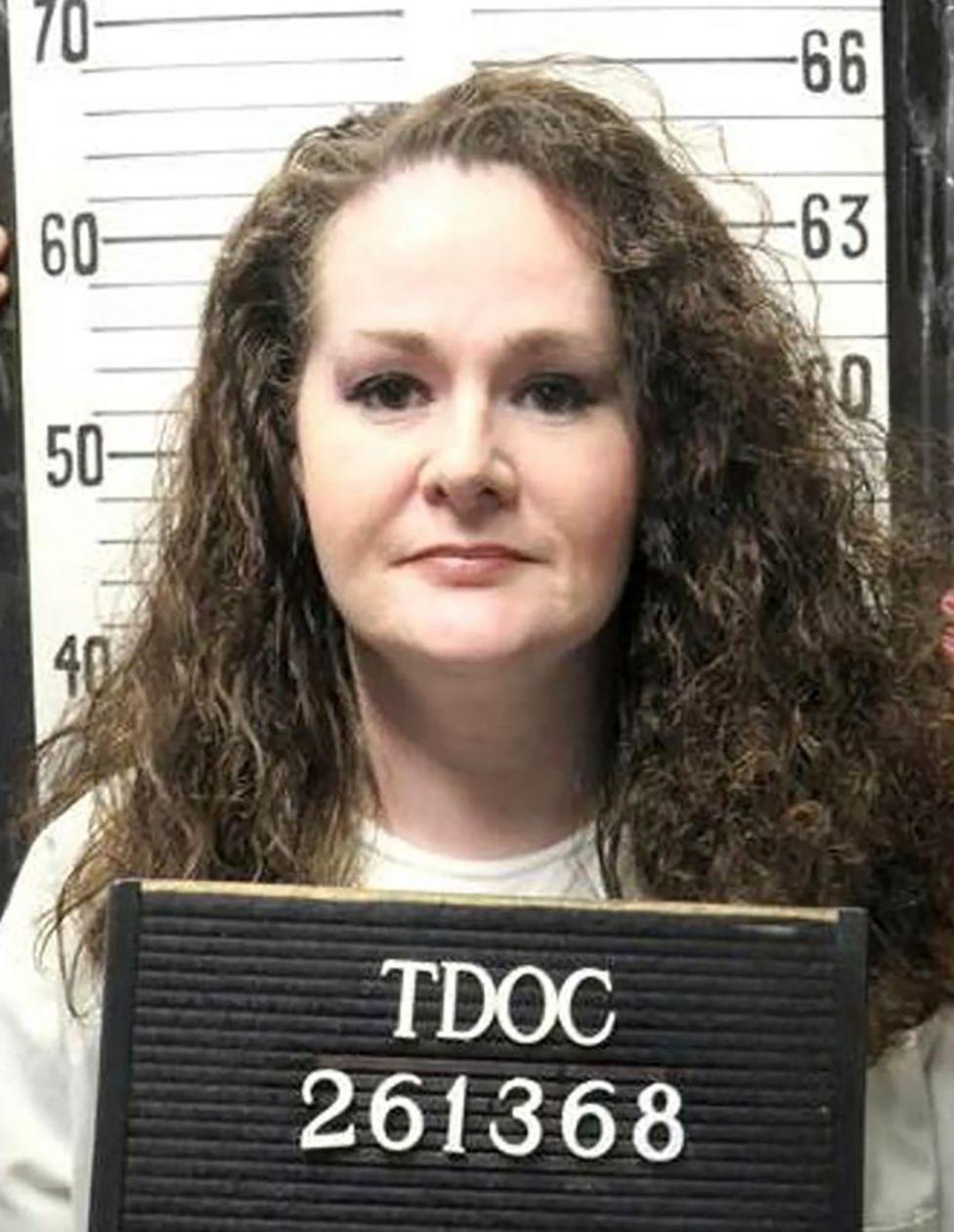
The state of Tennessee tried to end the life of death‑row inmate Christa Pike on Wednesday evening, but the execution failed after two doses of pentobarbital did not bring her heart to a halt.
Pike, 50, was convicted in 1996 of killing 19‑year‑old Colleen Slemmer in a crime she committed with boyfriend Tadaryl Shipp. After a protracted legal battle, the U.S. Supreme Court cleared the execution at the last minute, and staff at Carnton Correctional Center administered the drugs.
Witnesses reported that Pike remained breathing and even sounded like she was snoring after the injections. She was immediately moved to an off‑site medical facility where doctors are providing life‑saving measures and monitoring her condition.
The Tennessee Department of Correction says its lethal‑injection protocol is “consistent and effective” and has not yet explained why the drug failed. A state‑wide independent review has been ordered by Governor Bill Lee, who also announced that the scheduled final execution this year would not proceed as planned.
Pentobarbital, the drug used, is a powerful sedative that, when given in large doses, can induce death. A federal review last year questioned the drug’s potential for unnecessary pain, and the Biden administration banned its use in federal executions. However, states like Tennessee are free to use the drug if they choose.
Historically, Tennessee has seen other botched executions this year, most notably Tony Carruthers in May when staff could not locate a vein for injection. Across the United States, the rate of problem‑ridden executions rose sharply in 2022, with lethal injection having the highest failure rate.
Advocates for abolishing the death penalty condemned the new incident, saying it underscored the cruelty inherent in the state’s execution system. Opponents point to the secrecy surrounding lethal‑injection protocols and the continued use of a drug that has been linked to significant suffering.