In brief
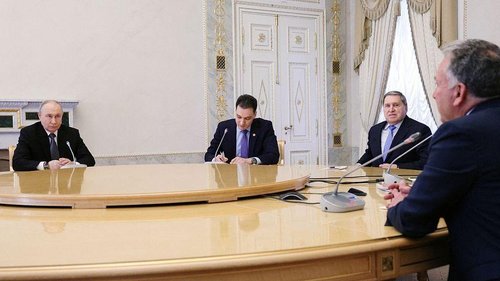
In the wake of President Vladimir V. Putin’s recent assertions about Russia’s military actions against Ukraine, a stark divide is emerging in public sentiment across Russia. While state media and pro-government platforms celebrate the Kremlin's aggressive posturing, many ordinary Russians grapple with rising anxiety over the implications of nuclear escalation.
Following Putin's pronouncement of launching a new intermediate-range ballistic missile at Ukraine and his ominous suggestions of targeting those who supply weapons to Ukraine, the national mood is increasingly fraught. Despite a bombardment of pro-Putin messaging framing these military actions against the backdrop of Western aggression, a considerable segment of the population is feeling the weight of the potential for nuclear conflict. Denis Volkov, head of the independent polling organization Levada Center, noted a significant shift among elites, who are now speaking more openly about the potential use of nuclear weapons. “This topic used to be taboo in Russia,” he mentioned, suggesting that many in the political sphere are making the case that the West must recognize Russia’s seriousness.However, this bellicose narrative has led to a kind of desensitization among the Russian populace, who have heard the Kremlin's war cries since the onset of the invasion in February 2022. While a faction of the population shows signs of acceptance—and even approval—toward Putin's hawkish tactics, others express their fears through dark humor or outright apathy, echoing a sentiment that resonates with the complexities of living under a regime that thrives on fear and aggression.As the situation evolves, it remains to be seen whether this fragile consensus around national security and military threats will hold or fracture under the weight of public apprehension about the real dangers of escalation with the West.