The 2026 World Cup: Pricing, Politics and a New Economy
The upcoming United States‑Canada‑Mexico edition of the FIFA World Cup is poised to become a global financial experiment. With its stadiums largely borrowed from the NFL, dynamic pricing, and a host of political tensions, the 2026 tournament could dwarf every previous edition in revenue‑generation potential.
Political Backdrop
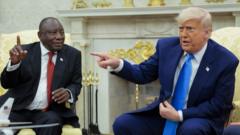
The tournament runs during the final weeks of a North American free‑trade rewrite and a war between Russia and Israel, creating a precarious geopolitical scene for an event that almost always stays above politics. The host nation’s president, former United States President Donald Trump, is actively using the event as a voting platform, while rival players in the tournament must cross international borders to attend games scheduled in neighboring countries.
Dynamic Pricing and Fan Costs
FIFA’s new model is borrowed from American football, where a season ticket can cost as little as $25 for a booth in the stands but $10,000 for a front‑row club seat. Tickets for 2026 are predicted to range from a five‑figure price for the final in New Jersey to as little as $100 for a “dead‑rubber” match in Mexico City. The model allows fans to resell tickets on FIFA’s own site with no cap, earning a 15% cut for each transaction.
Given the steep prices, fans are already noticing a division in the stadiums. A $12.90 commuter train ticket for a single match in New Jersey has been re‑priced at $100 for World Cup matches, and parking fees can reach $225 for a single day of attendance. Where some fans can afford luxury, others may see the tournament as a hard‑to‑afford experience.
Economic Impact & Redistribution
In 2022 Qatar, FIFA generated $929 million from ticket sales. 2026 could top that figure, with some estimates predicting revenues of up to $7 billion when dynamic pricing is fully leveraged. Rather than distributing those proceeds to host cities, FIFA is allocating the bulk of the sum to its reserves, with a promise to redistribute the funds equally to all 211 member associations. Critics say this dilutes the stimulus that normally comes from major tournaments in host nations.
Meanwhile, the U.S. host cities will have to shoulder the cost of stadium rentals and ongoing security, while FIFA cuts out stadium provider fees. Regulations in places like New Jersey and California are already examining whether FIFA’s reselling mechanism erodes consumer rights.
The Future of Football Funding?
If the 2026 experiment succeeds, it could signal a shift in football finance toward “American‑style” yield‑management, where the richest 10% of fans are targeted with the highest prices. This would deepen the K‑shaped economy within the sport and could challenge the traditional reliance on public investment and mass‑attendance for stadium development.
For fans and governments alike, the upshot is a global sporting event whose economic model is as controversial as its headlines. Whether the 2026 World Cup will fill the stands—or spark a new backlash against the commodification of football—remains to be seen.