In brief
For the US’s 250th anniversary, a BBC InDepth investigation cuts across history and today. A Somali refugee who arrived on a diversity visa now struggles after a job loss, while a Hollywood actor shifts to Canada amid shrinking film prospects. Surveys show fewer Americans feel the dream is attainable, but a majority still believe in its promise. The piece traces how policy shifts and widening inequality reshape the narrative of opportunity.
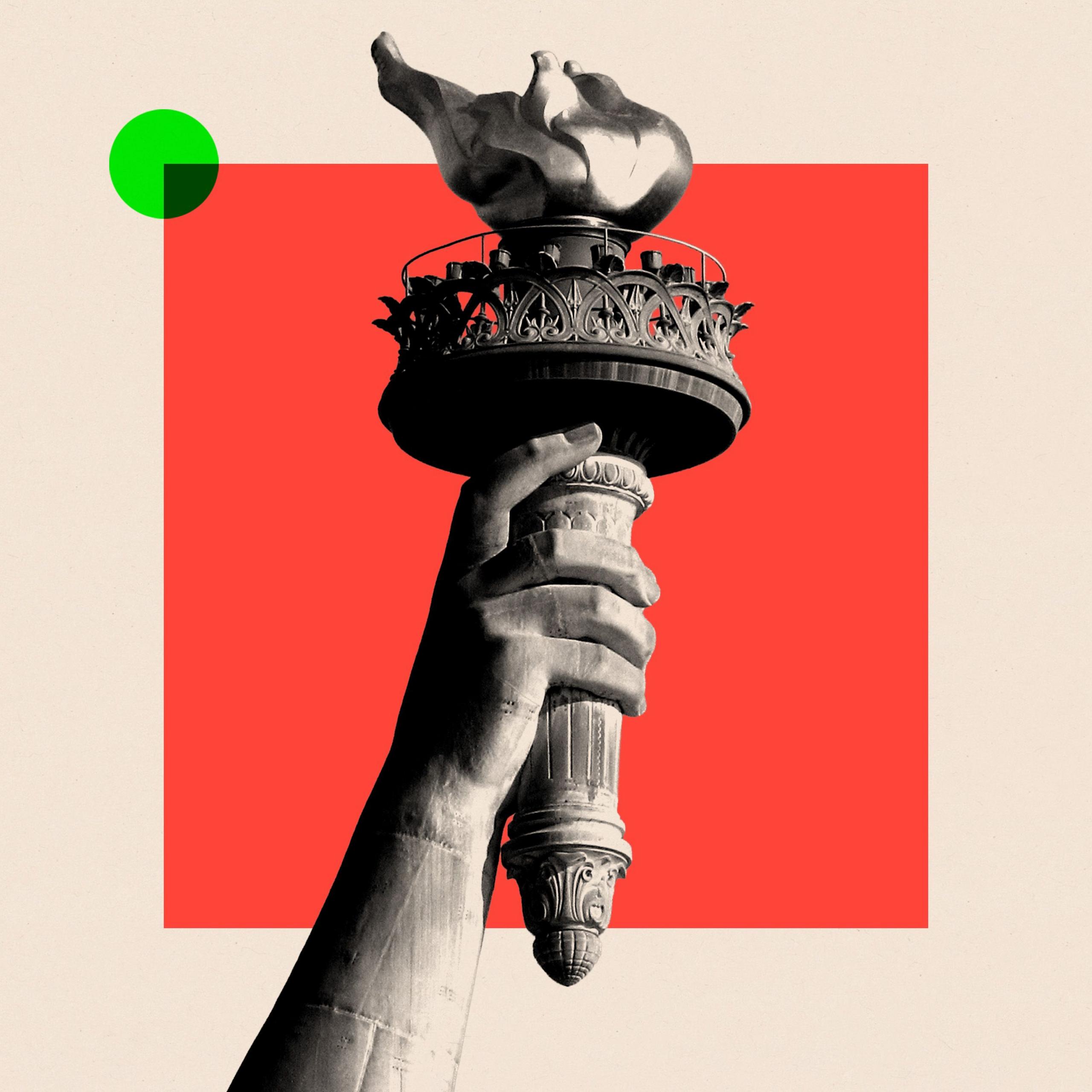
On 3 July 2026 the United States marked 250 years of independence, prompting a BBC InDepth feature that asks whether the American Dream—so celebrated in films and songs—still lives for ordinary people.
The story opens with Abdi Nor Iftin, a Somali refugee who, in 2013, won one of 50 000 visas under the government’s Diversity Visa lottery. Now 41, he lives in Maine, where he once worked installing insulation and later served as a refugee‑resettlement officer. In 2024, a sudden lay‑off erased his income and health‑insurance, forcing him to question the promise that hard work in America guarantees a comfortable life.
Meanwhile, the tale shifts west to California, where 24‑year‑old actor Luke Mullen finds Hollywood offers fewer roles and is drawn to Canada’s growing film sector. “Wealth is consolidating in this country,” he says, citing fewer studio budgets and a decline in new productions. He still calls the U.S. home, but he fears the future of the dream is narrowing for younger dreamers.
Polls echo these anxieties. An Associated Press‑NORC survey shows only a third of respondents believe the dream survives today, a sentiment mirrored by Pew Research. The same trend appears nationwide: older, Republican voters tend to cling to optimism, while 18‑29‑year‑olds and many millennials view the dream as increasingly out of reach.
Historical context frames the debate. The concept—first penned by James Truslow Adams in 1931—has shifted from the promise of “social order” to a modern focus on entrepreneurialism and social mobility. Yet economists show that the ability of successive generations to out‑earn their parents has fallen by half in recent decades, a decline linked to globalization, wage stagnation, the 2008 crisis and rising inequality.
Policymakers have influenced the dream’s reach. President Trump’s tenure tightened legal immigration, curtailed the Diversity Visa lottery, and increased border enforcement. More Americans now leave for Canada or Europe, driven by healthcare, climate or political stability, rather than by the idea of American prosperity.
Despite these challenges, some remain steadfast. Brandon Patty, a Floridian clerk and Navy reserve, says the dream means endless opportunities. “You can go from nothing and find your way,” he says, insisting that belief alone can reinvigorate the narrative. Think‑tank Mark Rank argues that the dream still exists, though more conditional, and urges a long‑term strategy to keep it accessible for the next 250 years.
For Abdi, the dream is a bittersweet memory: he would choose the U.S. again, yet he feels the system has slipped from its core promise. For Luke, the move to Canada is a pragmatic response to shrinking opportunities, not a rejection of the American story. Together their voices remind us that the dream is alive in aspiration, but fragile in reality—calling for new policies, communal support, and honest dialogue to restore the ideal that “whoever can do it can thrive.”