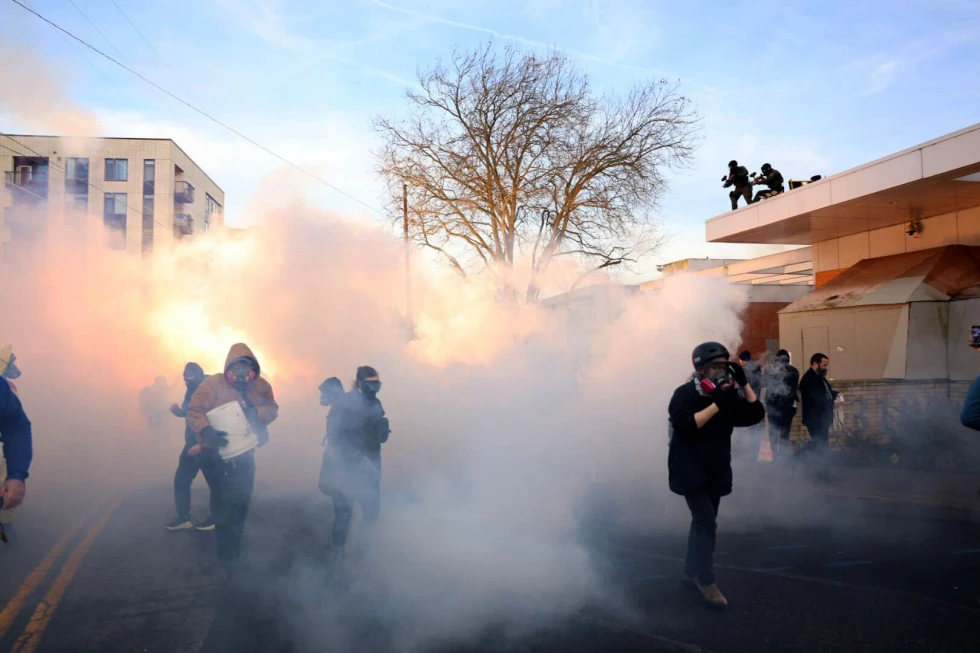
US President Donald Trump has announced that countries doing business with Iran will face a 25% tariff on trade with the United States. This decision comes as Iran intensifies its crackdown on anti-government protests, with thousands reportedly dead.
Trump has a history of using tariffs to pressure nations, and this recent directive does not provide specific details on how it will be enforced, nor which countries will be affected.
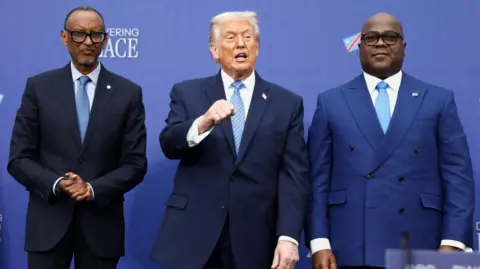
Statement from President Trump
In a post on Truth Social, Trump labeled the order as final and conclusive but did not elaborate further on its implications.
This could signal a significant shift in global trade dynamics, particularly affecting countries like China, Iraq, and Turkey, which are critical trading partners for Iran.
Current Trading Partners of Iran
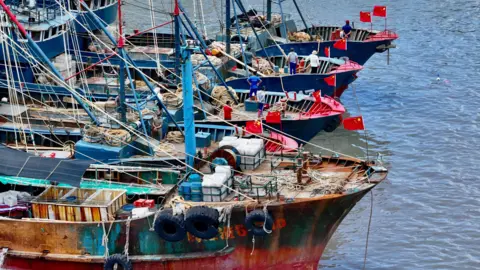
China remains Iran's largest export partner, with over $14 billion in products traded. Other key partners include Iraq and Turkey, which have increased their trade volume with Iran while the latter continues to export mainly fuel-related products.
Iran's economy is heavily reliant on oil and has seen inflation rates soar due to sanctions and internal mismanagement, leading many Iranians to protest against the rising cost of living.
Potential Diplomatic Consequences
The imposition of tariffs could potentially strain US-China relations, with existing tariffs averaging over 30.8%. Observers will be watching closely to see if Trump’s tariff will be enforced and to what extent it will exacerbate trade tensions.
Iran’s Economic Context
Despite having vast oil reserves, Iran's economy faces significant challenges. Years of sanctions, reduced oil sales, and high inflation have made it difficult for citizens to afford basic necessities, contributing to widespread discontent and protests.
The unclear future of international trade with Iran and implementation of new tariffs could place further strain on its already fragile economy, particularly as the country grapples with rising inflation and ongoing civil unrest.