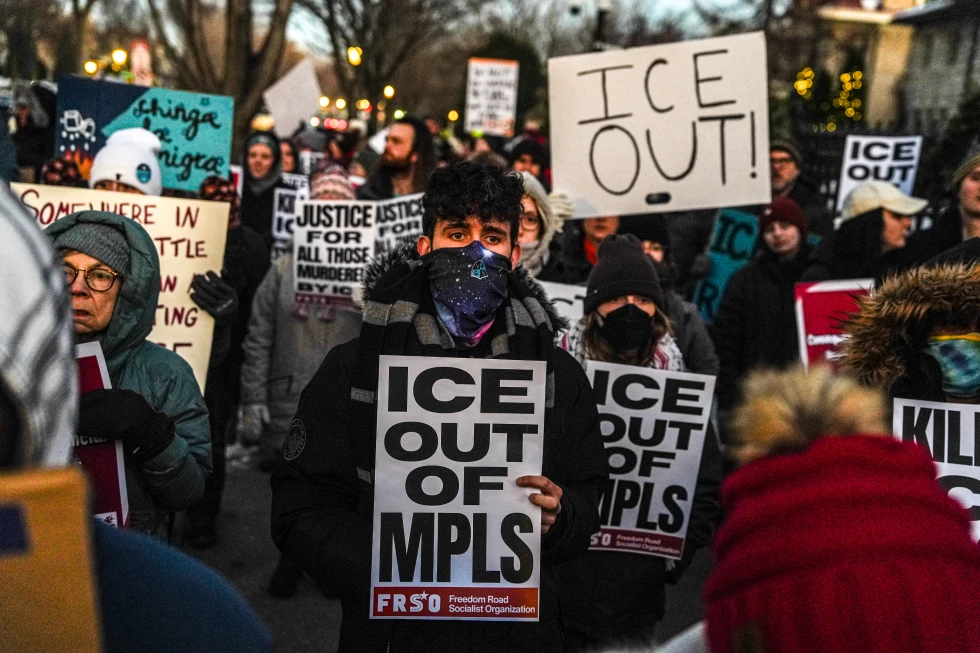
The Trump administration has announced the end of a massive immigration crackdown in Minnesota after two and a half months laden with protests, over 4,000 arrests, and two fatal shootings involving federal officers. The operation was officially dubbed 'Operation Metro Surge' and was described by the Department of Homeland Security as the largest immigration enforcement operation ever conducted in the U.S.
Notably, the crackdown led to the deaths of two U.S. citizens, Renee Good and Alex Pretti, in separate incidents with immigration officers in Minneapolis. The operations targeting communities, particularly the Twin Cities’ substantial Somali population, have sparked far-reaching public outcry, leading to significant advocacy and activism against perceived aggressive immigration policies.
Key events during the crackdown include:
Dec. 1:
The crackdown officially begins, coinciding with escalating rhetoric from President Trump about Minnesota’s Somali residents, whom he accused of taking over the state. Local officials, including Minnesota's Governor Tim Walz, condemned the President’s comments, asserting they represented a discriminatory attitude towards a significant community.
Dec. 5:
ICE reported the arrest of twelve individuals, including several from Somali backgrounds, escalating community tensions further.
Dec. 9:
Federal agents used pepper spray against protesters blocking their vehicles in a Somali area, illustrating the tense atmosphere throughout ongoing operations.
Jan. 7:
Renee Good is shot and killed by ICE officers in a confrontation, setting off nationwide outrage as videos capture the incident. This potential misuse of force was contested by city officials and members of the public, who demanded accountability.
Jan. 24:
Another shooting occurs in Minneapolis with the death of Alex Pretti, who was also a U.S. citizen attempting to intervene in a confrontation involving immigration officers.
Feb. 12:
Tom Homan, the border czar, officially announces the end of Operation Metro Surge, marking a decisive close to this chapter of contentious immigration policy in Minnesota.
The operation has highlighted the strained relations between immigrant communities and federal enforcement entities, raising questions regarding future policies and their implications for social cohesion in Minnesota.