The State of US Healthcare: Costs and Challenges
Amid rising healthcare costs and a convoluted system, Americans struggle with medical debt and lack of access. What reforms are being proposed, and are they enough to bring about change?
Jeff King was recovering from an unexpected procedure to fix his irregular heart rhythm when he received shocking news. The hospital had handed him a $160,000 bill for the treatment. As a former pastor without standard health insurance, he found himself financially devastated.
It was pretty traumatic, King, now 66, shared. Who knew that a less than one-day procedure in and out of the hospital could destroy us financially? His experience is not unique; around 100 million Americans struggle to pay their medical bills.
The healthcare crisis in the U.S. has prompted urgent discussions about reform. The system is notorious for its exorbitant costs, with expenditures expected to reach $5.9 trillion by 2026. Despite the financial burden, the U.S. has a lower life expectancy compared to other wealthy nations, raising questions about the effectiveness of its healthcare model.
Public discontent has escalated, exacerbated by incidents like the fatal shooting of UnitedHealthCare CEO Brian Thompson. Celebrating a protest against the industry, supporters of the alleged shooter have emerged, highlighting the growing frustration with a system that many view as failing. The recent expiration of health insurance subsidies during a time of recovery from the pandemic has further aggravated the situation for many.
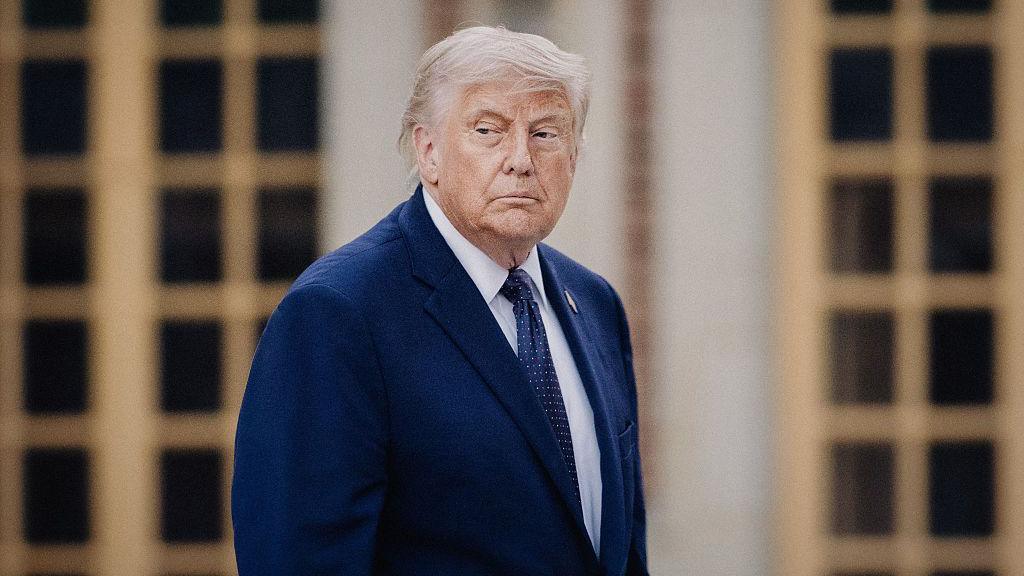
Reform proposals vary, with former President Donald Trump introducing the Great Healthcare Plan, which aims to send citizens funds for health insurance directly. However, experts question its feasibility and the minimal detail provided on funding.
As costs continue to rise, Americans like Stacy Cox, whose premiums skyrocketed, are opting out of traditional insurance altogether. Cox, now uninsured, fears this could endanger her health. Similar stories abound, with many navigating a confusing system often lacking clear options even when in dire need of treatment.
Despite bipartisan acknowledgment of the problem, finding a workable solution has remained elusive. While some state governments have begun to implement supportive measures, without federal reform, the healthcare burden on America continues to grow.
Jeff King, originally facing substantial debt, managed to negotiate his hospital bill down to $90,000 and relied on crowdfunding efforts for further assistance. His journey reflects a larger public health crisis, raising ongoing concerns about medical debt wrecking lives without any fault of the individuals involved.