The Crisis in U.S. Healthcare: Struggles and Solutions
Americans are grappling with a healthcare system that is not only costly but also often confusing and inadequate.
Individuals like Jeff King are left to face burdensome medical debts that can arise from unexpected procedures. King, who heads a story of shock and financial trauma, found himself with a staggering $160,000 medical bill following treatment for an irregular heart rhythm. Despite being a member of a cost-sharing plan, it did not cover the necessary procedures, leaving him financially devastated.
A recent study indicates that around 100 million Americans are struggling with medical or dental debt, highlighting a pervasive crisis in access to affordable healthcare. This situation is exacerbated by soaring healthcare costs, projected to reach $5.9 trillion by 2026, while life expectancy remains lower than that of other wealthy nations.
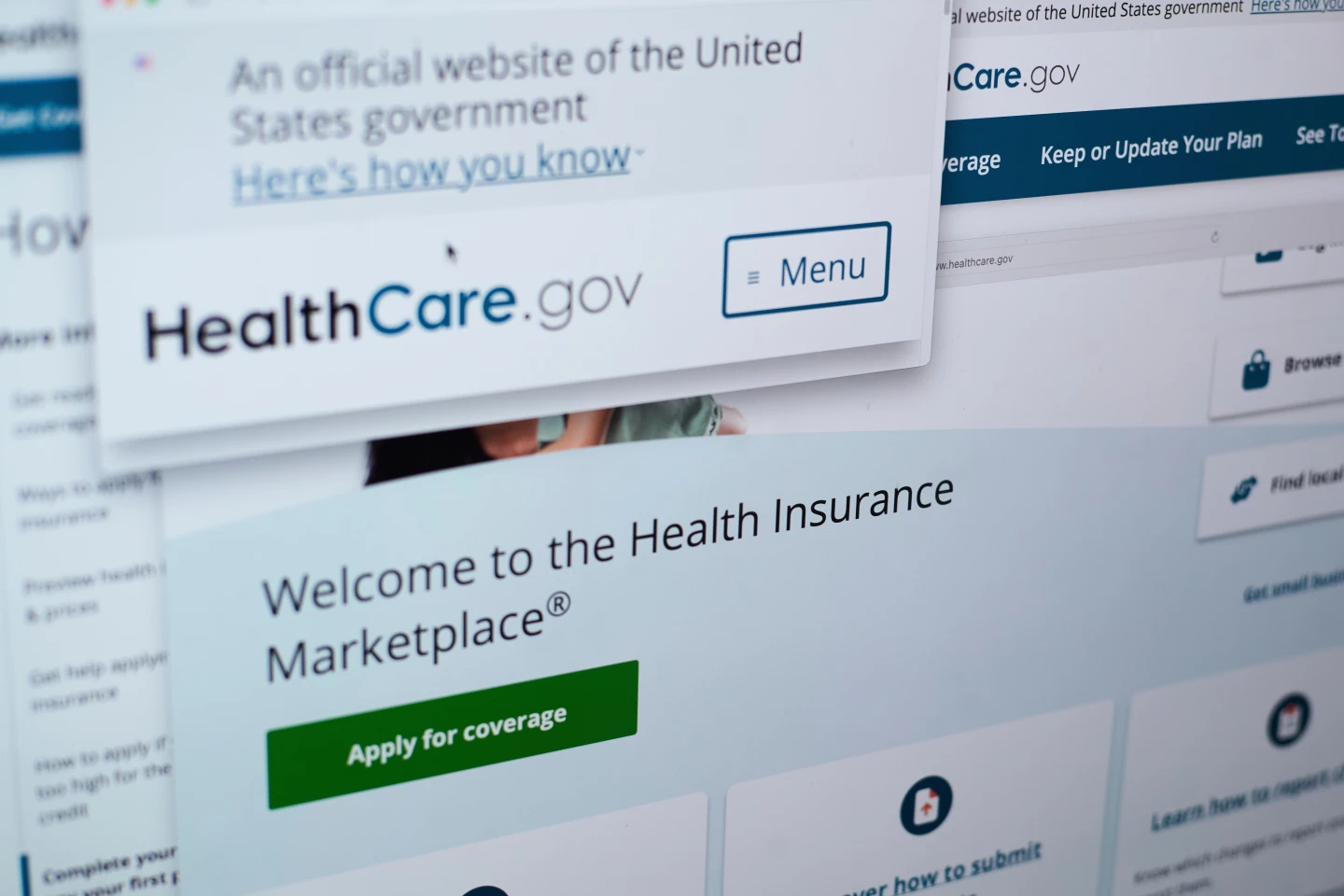
The complexity of the U.S. healthcare system—with multiple programs like Medicare, Medicaid, and employer-sponsored insurance—often leads to confusion among consumers. Despite reforms like the Affordable Care Act, many people still report that their providers refuse to cover necessary treatments.
Calls for effective reform have been met with political gridlock. While both major parties acknowledge the urgent need for change, they often disagree on the solutions. President Trump's recent proposal, dubbed the 'Great Healthcare Plan,' promises to address costs by sending money directly to citizens but lacks specificity in its implementation.
Frustration amongst Americans has reached a boiling point, leading some to express their anger violently, as seen in the murder of UnitedHealthCare CEO Brian Thompson in December of 2024, which ignited a dialogue about the desperate measures some are willing to take against the current healthcare system.
As the healthcare crisis deepens, Americans are left wondering: is there the political will to truly reform a system that many agree is fundamentally broken?