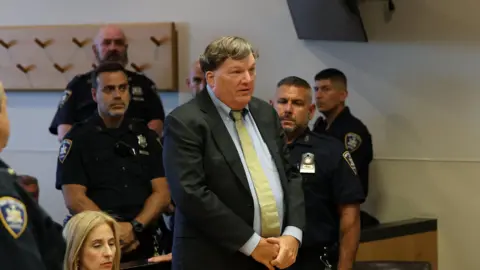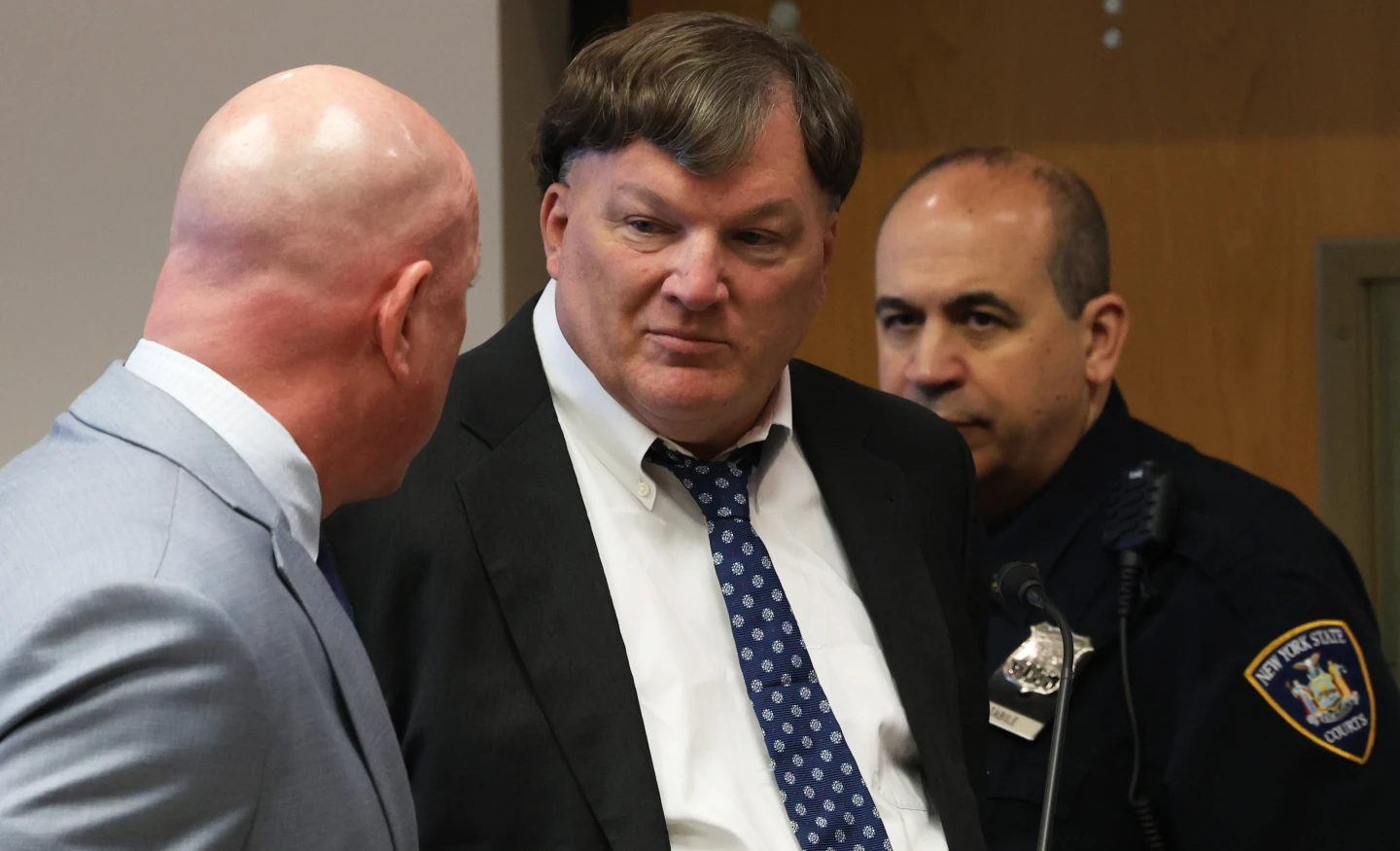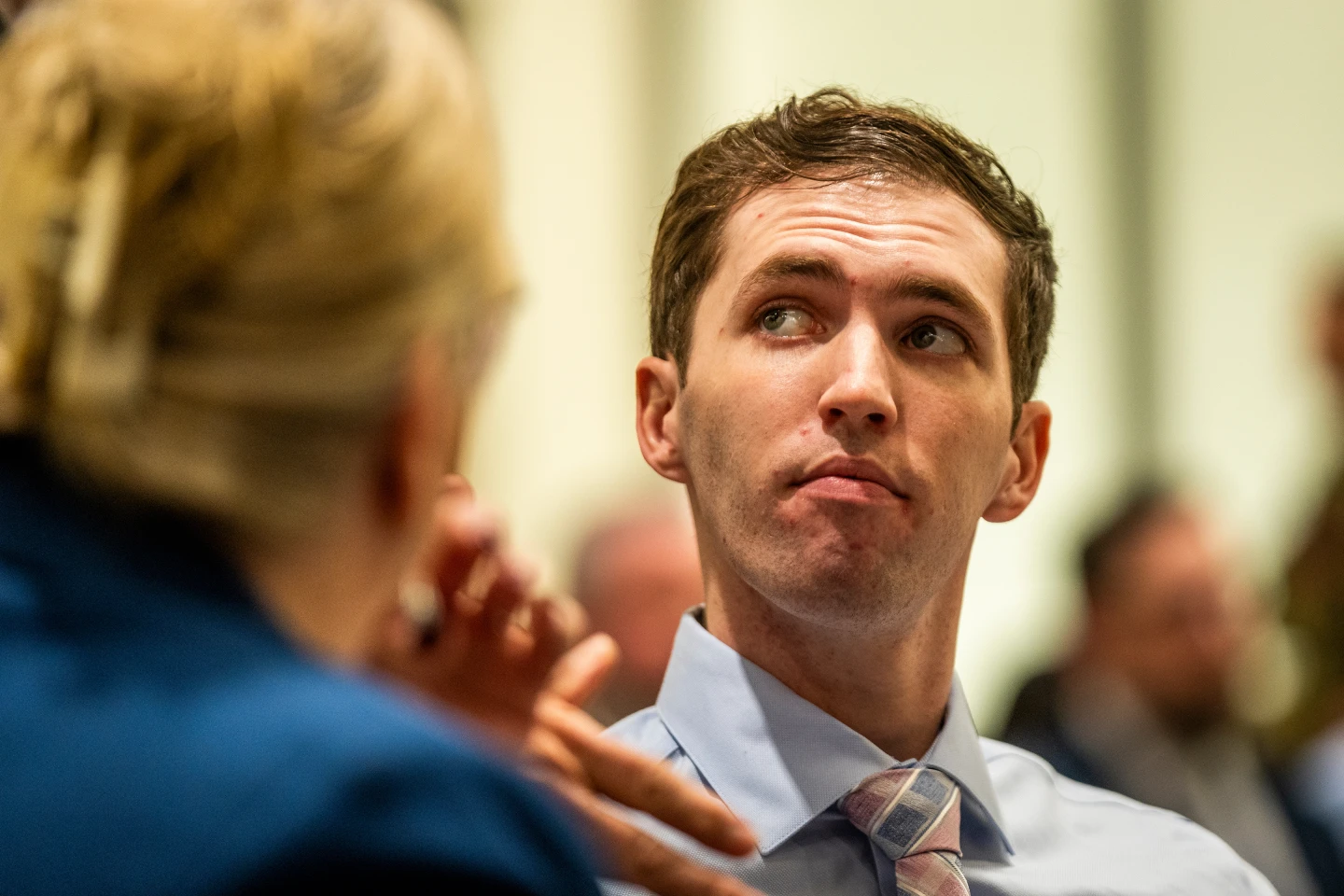
SALT LAKE CITY — In a significant turn of events in the ongoing murder case of Charlie Kirk, Tyler Robinson, the accused, is petitioning to have court cameras banned, asserting that the live coverage infringes upon his right to a fair trial.
Scheduled for a hearing on Friday, Robinson's legal team maintains that extensive media reporting is biasing potential jurors in his aggravated murder case.
The motion highlights specific instances, including a reported conversation in which Robinson allegedly confessed to the killing during a December court appearance, despite the conversation being inaudible. The news outlet cited lip-reading analysis to back its claims.
“The primary service provided by the live stream is not the accurate reporting of judicial proceedings but instead is focused on sensationalism, profit, and the vilification of Mr. Robinson,” the attorneys submitted in their request.
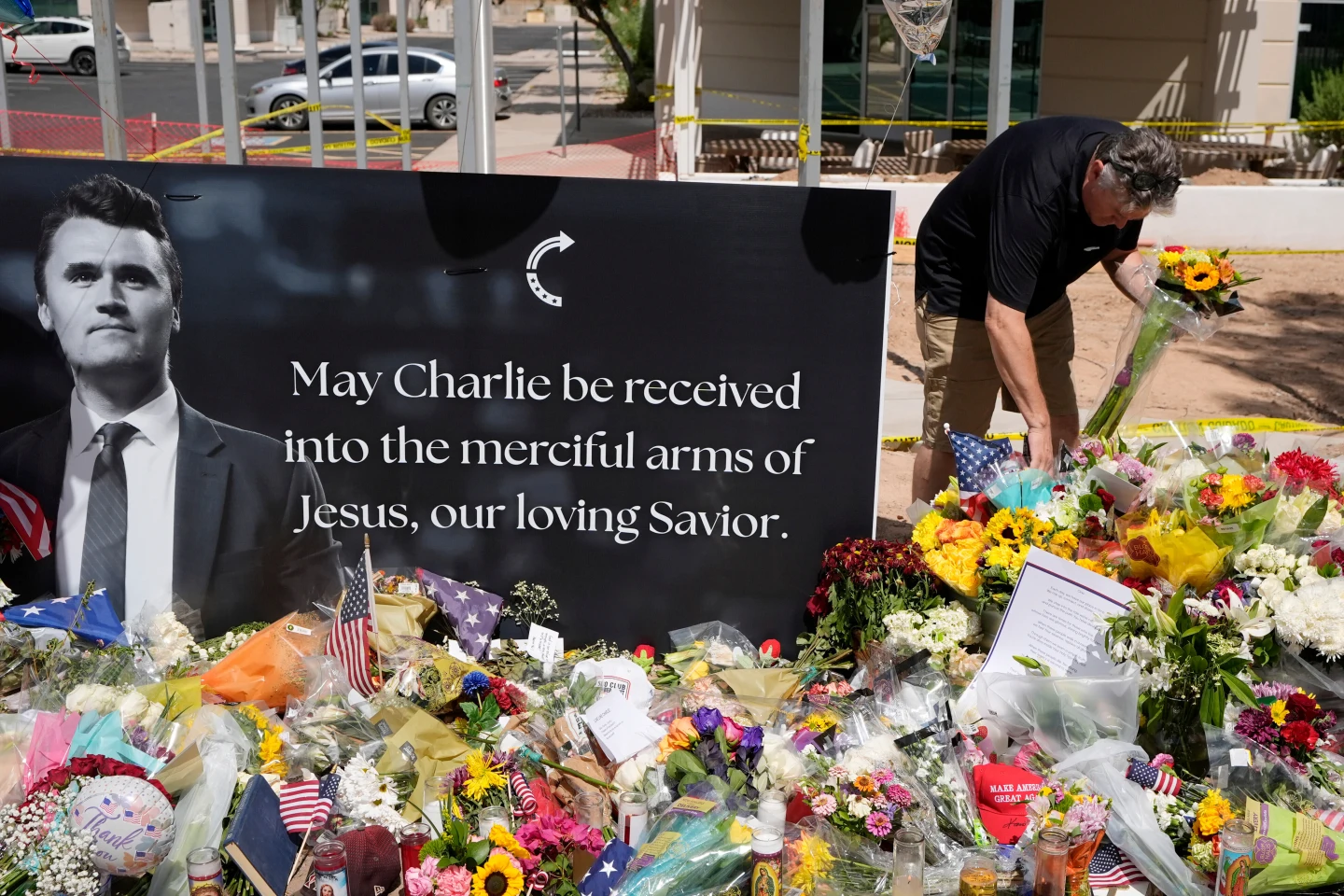
Robinson, now 23 years old and yet to enter a plea, faces serious charges which could lead to the death penalty if he is convicted. The incident in question occurred on September 10 when Charlie Kirk, a prominent conservative activist, was shot while speaking at Utah Valley University, addressing a large audience.
Prosecutors revealed evidence linking Robinson to the crime, including DNA found on the firearm and associated materials. His legal counsel, however, criticizes the forensic analysis for its complexities, asserting that multiple DNA profiles were present, indicating a need for thorough examination.
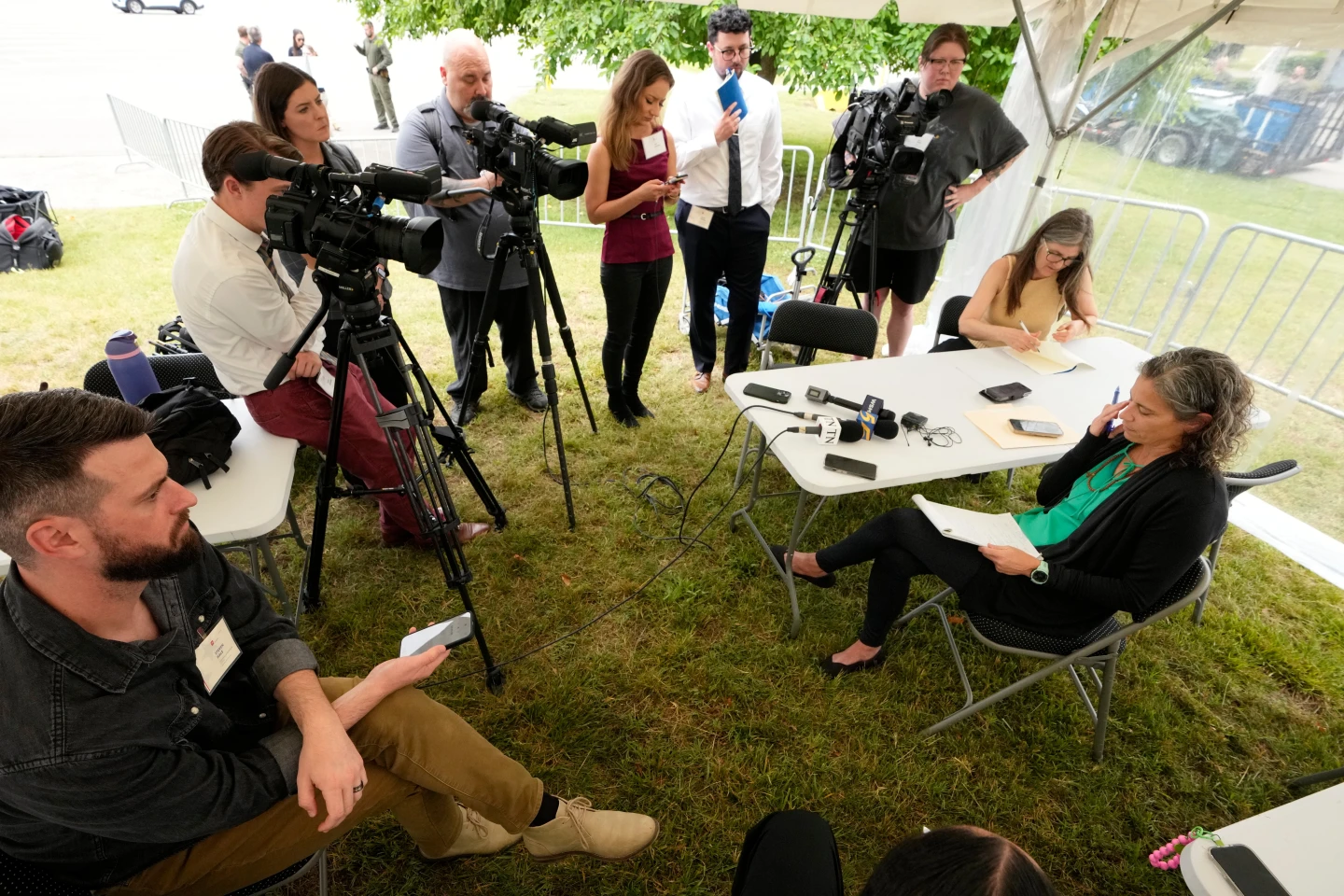
Simultaneously, media organizations, including outlets representing the Associated Press, are advocating for camera access, arguing that transparency is essential to counter misinformation. They've contended that allowing the media into the courtroom is the best approach to facilitate accurate public discourse surrounding the trial.
Robinson's attorneys are seeking to postpone a preliminary hearing set for May, where evidence must be presented to justify proceeding to trial. In the interim, the courtroom's decorum has been tested, raising important questions about the balance between media access and legal rights.