In brief
A sudden flood driven by a glacial collapse tore through the Himalayan border between Nepal and Tibet, killing more than 1,100 people in Nepal and creating a crisis of missing persons on both sides. Rescue teams, backed by the UN, are working around the clock to search cracked tunnel shafts, rebuild bridges, and reopen key crossings, while thousands more are still unaccounted for. In Nepal, 3,500 people are homeless and displaced, and communities are now urgently seeking medical help, psychosocial support and infrastructural restoration amid a monsoon season that heightens disease risk.
Thousands Missing After Nepal‑Tibet Flash Flood
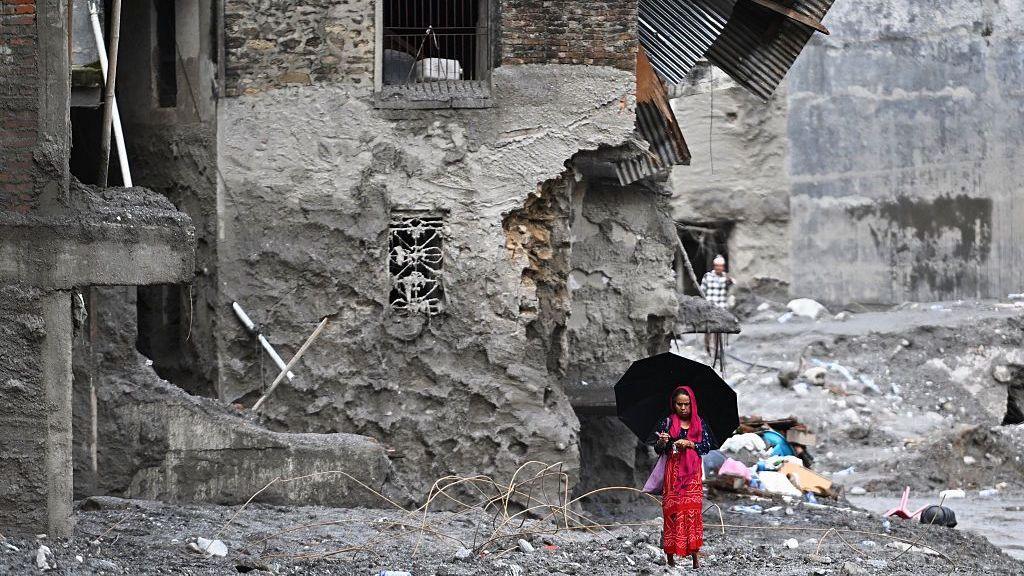
A sudden flash flood caused by a glacial collapse swept through a Himalayan valley last Wednesday, wiping out villages and leaving 1,114 dead in Nepal and over 4,000 still missing.
The Tibetan side reports 16 deaths and more than 500 missing, with Chinese state media providing sparse details as foreign journalists cannot enter the region without permission.
Rescue teams are working around the clock, clearing debris from the Gyirong border crossing and building temporary bridges to reach remote areas. Heavy machinery and drones are scouring hard‑to‑reach zones for survivors.
In Nepal, nearly 12,000 have been rescued, but thousands more— including hundreds of foreign nationals from India, the UK, Australia and the US— remain missing. The UN’s humanitarian agency has called for a four‑month flash appeal to deliver medical treatment, psychosocial support and rebuilding of essential services.
Displaced residents are sheltering in overcrowded schools, risking disease outbreaks in the middle of the monsoon. Prime Minister Balendra Shah has urged renewed focus on survivor protection and community cooperation.
The crisis underscores the need for rapid access to affected zones and the importance of international coordination in disaster response.