While some West African nations are reinforcing historical ties with France and others are leaning towards Russia, Togo is adopting a unique diplomatic approach to benefit from both worlds.
The recent coup attempt in neighboring Benin underscores Togo's subtle but critical position in regional politics as Lt Col Pascal Tigri, the coup leader, reportedly found refuge there before heading to other locations.
Under President Faure Gnassingbé, Togo has adeptly navigated international relations, quietly maintaining a delicate balance between cooperation with France and cultivating closer ties with Russia. This diplomatic juggling act reflects Togo's shrewd approach to maximizing leverage in a volatile regional context.
Gnassingbé's administration is clear in its relations with Burkina Faso and the military regimes in Niger and Mali, which have distanced themselves from the Economic Community of West African States (Ecowas). Their exit from Ecowas earlier this year illustrates a shift in regional dynamics.
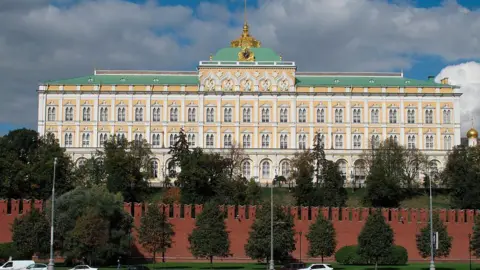
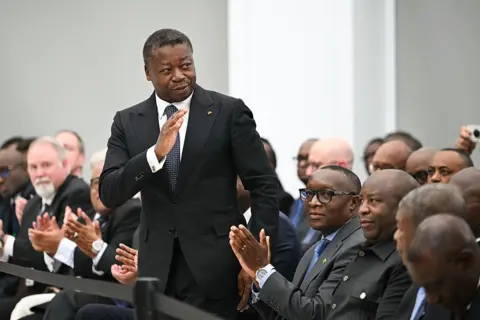
In late October, just weeks after a meeting with French President Emmanuel Macron, Gnassingbé was in Moscow, forging stronger military partnerships with Russian President Vladimir Putin. This included agreements for defense collaboration and the reopening of embassies that had been closed since the 1990s.
This strategic pivot towards Russia has raised eyebrows in France, traditionally one of Togo’s closest allies. French military intervention in response to the coup attempt in Benin demonstrates their ongoing concern about stability in the region.
While Togo insists its ties with Russia signify a diversification rather than a rupture with the West, this perspective is emblematic of a broader trend among West African nations frustrated with Western expectations of binary alliances.
Moreover, Togo's strategic position as a transport and trade hub enhances its regional importance, further legitimizing its pursuit of multifaceted foreign relationships. However, internal discontent over political maneuvering within Togo and a recent constitutional amendment to centralize power also complicate Gnassingbé's external efforts.
The recent political climate suggests that despite Togo's deft diplomatic navigation, underlying socio-political tensions remain a challenge for the government. A statement hinting at potential prisoner releases reflects an acknowledgment that managing internal dissent is as critical as external diplomatic relations.