Trump Mobile Promises ‘Made in the USA’ Phone, but Details Keep Changing
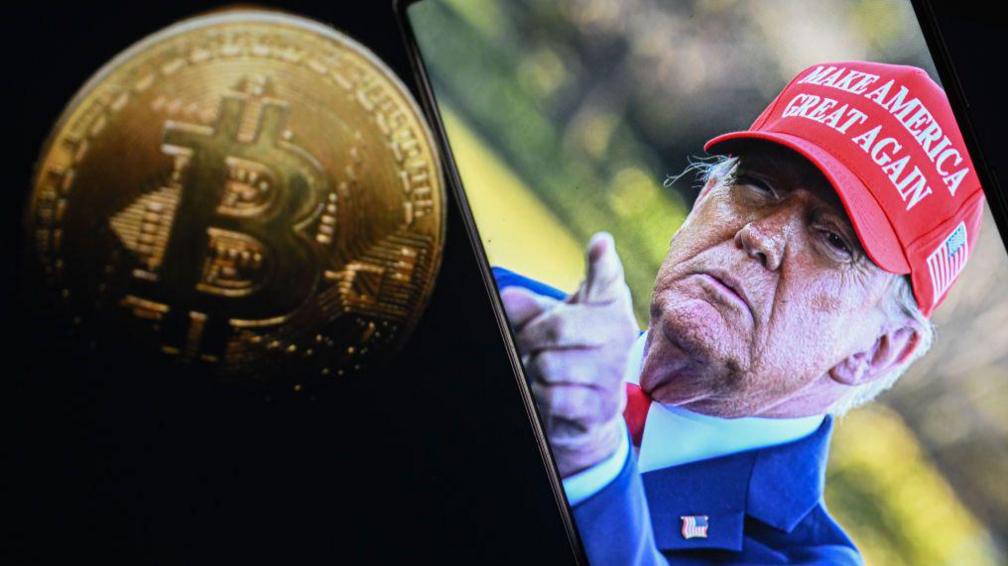
In the summer of 2025, the Trump family announced Trump Mobile, a new venture that would supposedly produce a premium smartphone—dubbed the “T1”—inside the United States and ship it to customers within months. The company’s early marketing touted American manufacturing, a bold claim in an industry dominated by overseas production.
However, the timeline for the T1 has been in constant flux. Initial projections promised a September release and a U.S. assembly line by December, but subsequent statements shifted the launch to early 2026 and then to mid‑2026, citing supply‑chain challenges and design revisions. The lack of consistent specifications has left customers uncertain about the phone’s hardware, software, and delivery logistics.
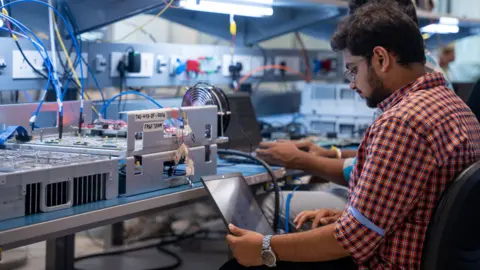
Thomas Copeland, a supplier for the project, reveals that several components may actually be sourced abroad. “We’re still negotiating contracts with manufacturers in Taiwan and China for the essential chips,” he says, highlighting a disconnect between the “Made in the USA” narrative and the reality of global supply chains.
Industry analysts point out that American production of a smartphone would require significant domestic investment in facilities and skilled labor, and so far, no such commitments have been disclosed. Critics argue the venture risks becoming a marketing stunt unless the company can substantiate its claims with transparent production details.
As customer tickets pile up and new customers submit orders, many are left waiting without a clear estimate of when (or if) they will receive a device. The shifting narrative raises questions about accountability and whether Trump Mobile can deliver on its promises.

Produced by Aisha Sembhi. Graphics by Mesut Ersoz.