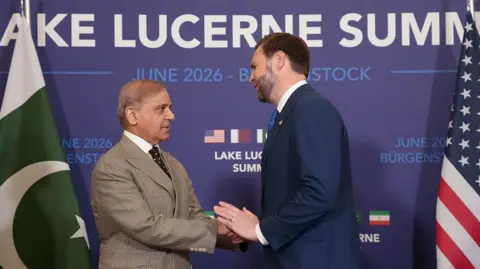
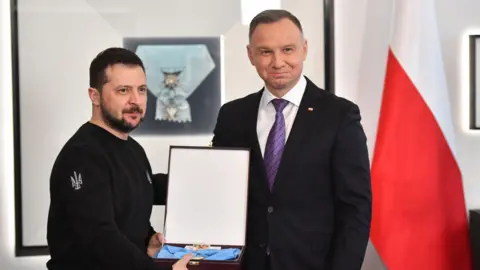
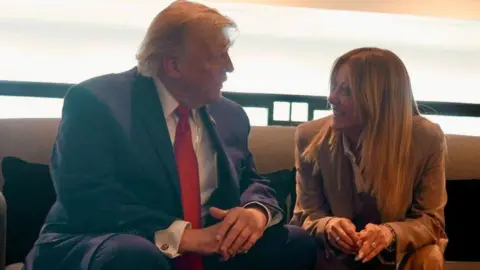
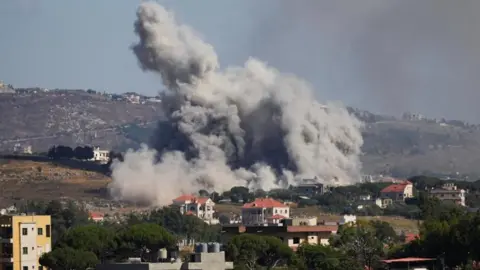
On day one of his second term, President Donald Trump made headlines with his bold declaration: 'We have to have Greenland.' This comment, echoing the 19th-century concept of 'manifest destiny,' signals a major shift in U.S. foreign policy and relations with its allies.
As Trump embraces aggressive tactics that break political norms, the global community watches closely, concerned that long-standing alliances like NATO could be at risk. Trump's approach contrasts sharply with the collaborative spirit of post-war frameworks that have maintained relative global peace.
The political landscape is being reshaped as leaders grapple with Trump's unpredictable presidency. French President Emmanuel Macron warned of a world where international law is disregarded, while Trump's backers push vigorously for his America First agenda, challenging traditional multilateralism.
The Texas-based political environment is evolving; defenders of Trump's policies suggest he is restoring strength in a broken system, while critics highlight the potential consequences of his imperialistic ambitions. Each move is watched with trepidation by allies who fear the ramifications of such deviations from historical diplomatic norms.
As nations ponder their responses, from tariffs to diplomatic engagements, underlying tensions simmer in the backdrop of Trump's stark proclamations, questioning whether the world is hurtling towards a dangerous new order that champions strength over dialogue.