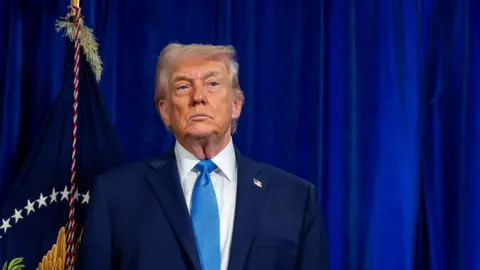
With the seizure of Venezuelan leader Nicolás Maduro, Donald Trump has demonstrated more powerfully than ever his belief in the power of his will, backed by raw US military force. On his orders, the US has Maduro behind bars and now will run Venezuela.
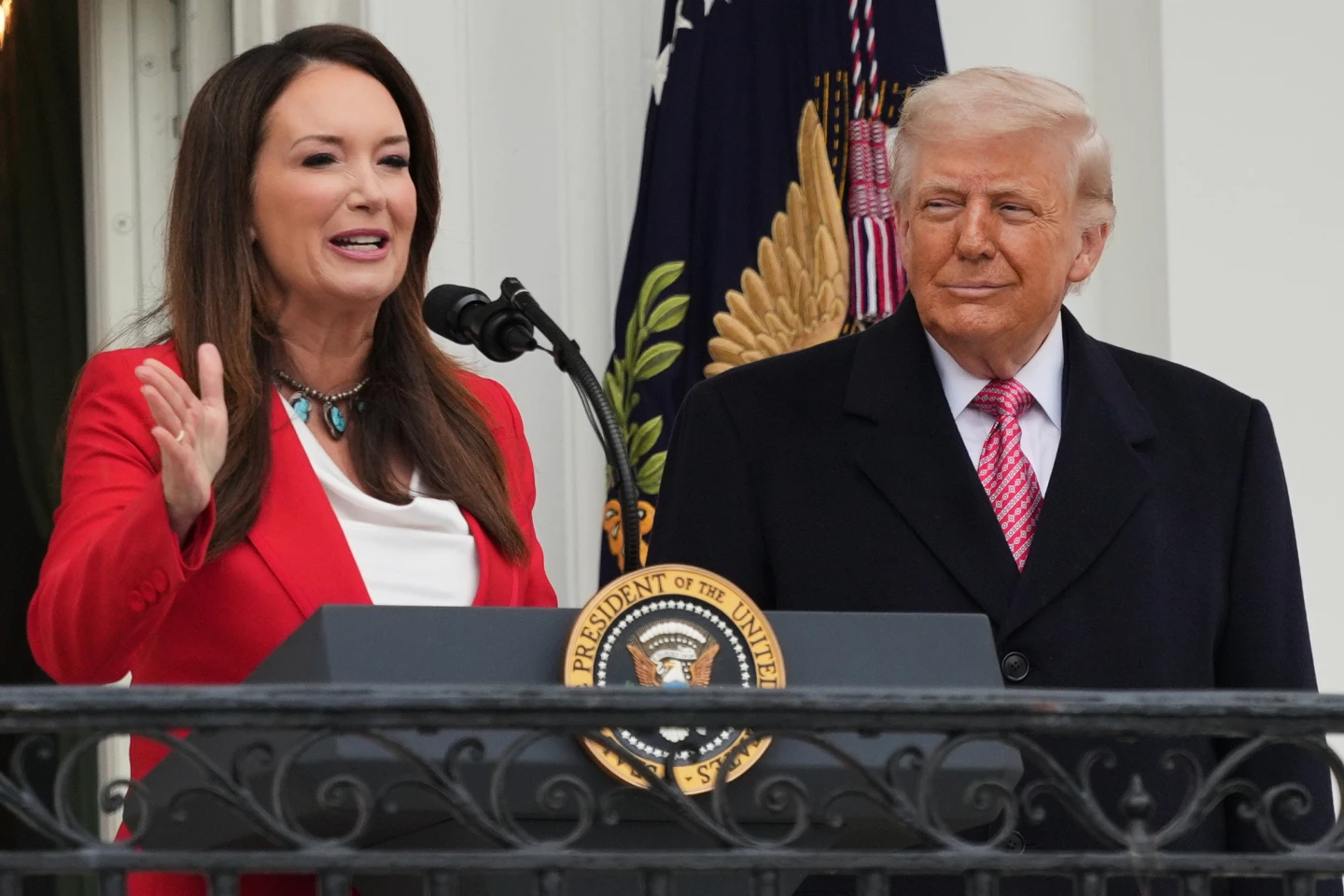
The US president made the announcement in a remarkable news conference with enormous implications for US foreign policy globally at his Florida club and residence, Mar-a-Lago. Trump stated that the US would be in charge in Venezuela until such time as we can do a safe, proper and judicious transition.
US Secretary of State Marco Rubio, speaking on the matter, mentioned that the Venezuelan Vice-President Delcy Rodríguez had expressed willingness to cooperate. Trump asserted, we're not afraid of boots on the ground if we have to have [them]. This raises questions about his belief that governance can be achieved from afar via military showcases.
Experts from the International Crisis Group have indicated that the fall of Maduro could lead to violence and instability, particularly given the troubled history of US interventions abroad.
The recent operation highlights a significant act of assertion of US military might without American casualties, yet it opens the door to potential chaos as various factions may vie for power.
The triumphalist atmosphere during the announcement at Mar-a-Lago belies a troubling record—US regime change attempts have often led to dire consequences, as seen in Iraq and Afghanistan.
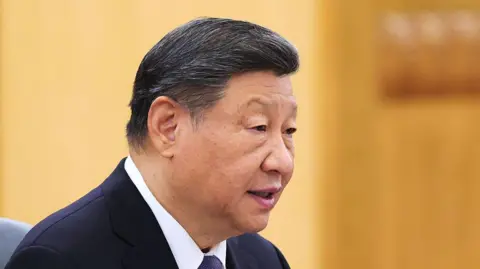
Trump's comments suggested his intent to fortify American dominance in the Western hemisphere, referencing the historical Monroe Doctrine. This sets a precedent that could resonate far beyond Venezuelan borders, potentially igniting similar aspirations in other nations, notably by figures like Chinese President Xi Jinping regarding Taiwan or Russia's Vladimir Putin in Ukraine.
While these military actions may be celebrated at home, they raise alarm over the potential erosion of international norms and law, as allies attempt to grapple with the implications of the operation, which has drawn condemnation from countries like China.
As Trump appears to chart a course towards unilateral military interventionism, the global democratic landscape faces significant challenges ahead, particularly as authoritarian regimes watch closely for cues.