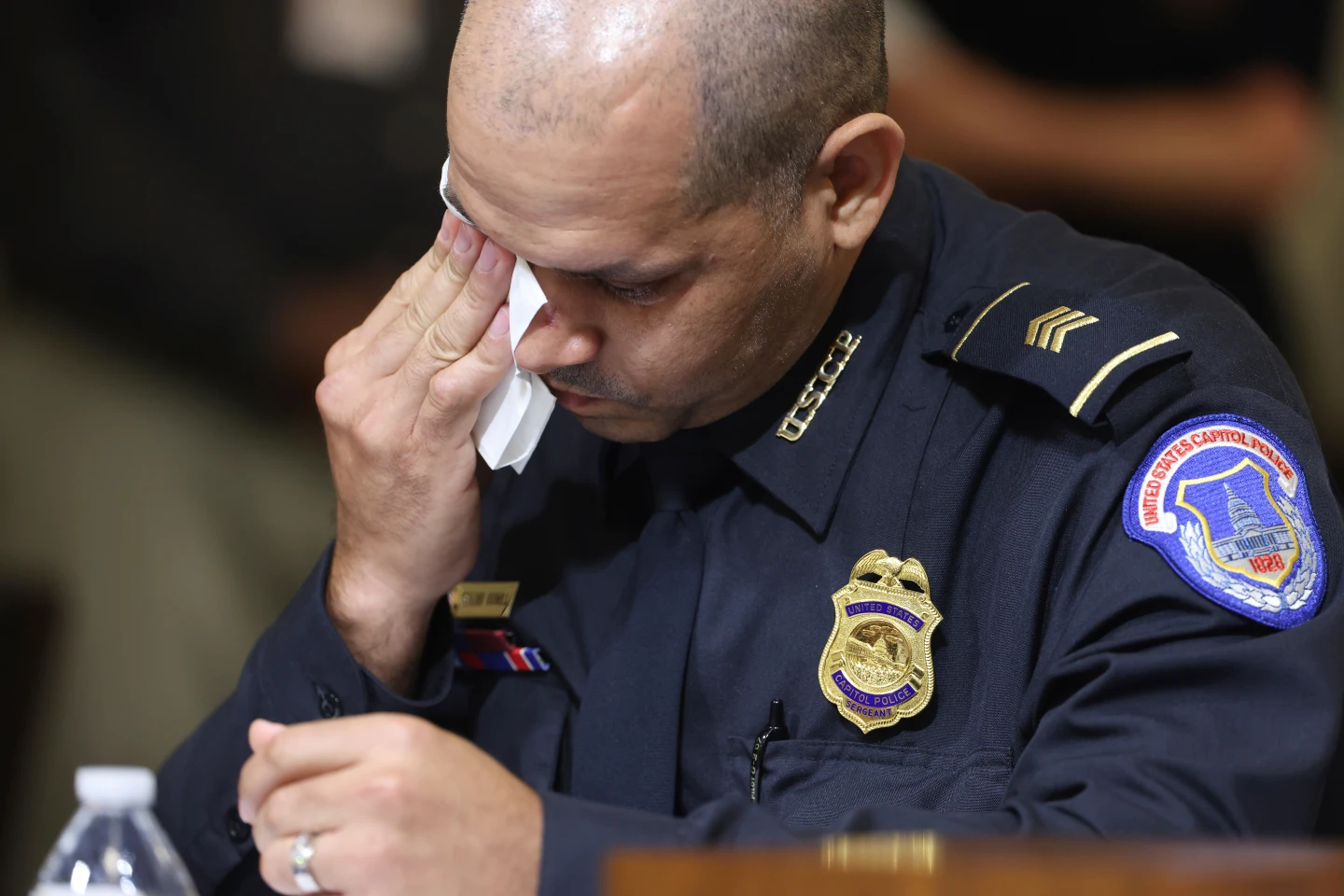
Five years after the siege at the Capitol on January 6, 2021, former Capitol Police officers are reflecting on the devastating effects of the attack and the subsequent pardons issued by President Trump.
On January 20, 2025, Trump was inaugurated for a second term and announced pardons for approximately 1,500 individuals convicted for their roles during the Capitol riot—among them, those who assaulted police officers like Aquilino Gonell.
Gonell, who testified against some of the rioters and faced significant injuries during the attack, was stunned to learn that those he fought against were being pardoned. “They told me that people I testified against were being released from prison,” he shared. “And to be mindful.”
His experience and that of other officers like Daniel Hodges has been complicated by ongoing narratives from Trump and some lawmakers minimizing the violence of January 6. “A lot of things are getting worse,” Hodges stated.
"They have tried to erase what I did with the pardons... I lost my career, my health, and I’ve been trying to get my life back,” Gonell adds, highlighting the unresolved trauma many of them face.
In the aftermath of the riot, over 140 officers were injured, and many, like Gonell and Hodges, are still struggling with the experience and the public's perception of it. With Trump's comments framing the rioters as 'patriots', former officers perceive a dismissal of their sacrifices.
As they speak out about their experiences, both Hodges and Gonell express the urgent need for better support and recognition of the trauma endured. In the years to come, the significance of January 6 continues to resonate deeply in their lives as they seek healing and justice.
Pingeon, a former officer, reflects positively on changes in the Capitol Police Department since January 6, including improvements in equipment and training, stating that the present structure vastly contrasts the inadequate preparation they faced during the attack.
As the former officers navigate their healing journeys, they continue to advocate for acknowledgment of the violence they faced and the sacrifices they made in the line of duty.