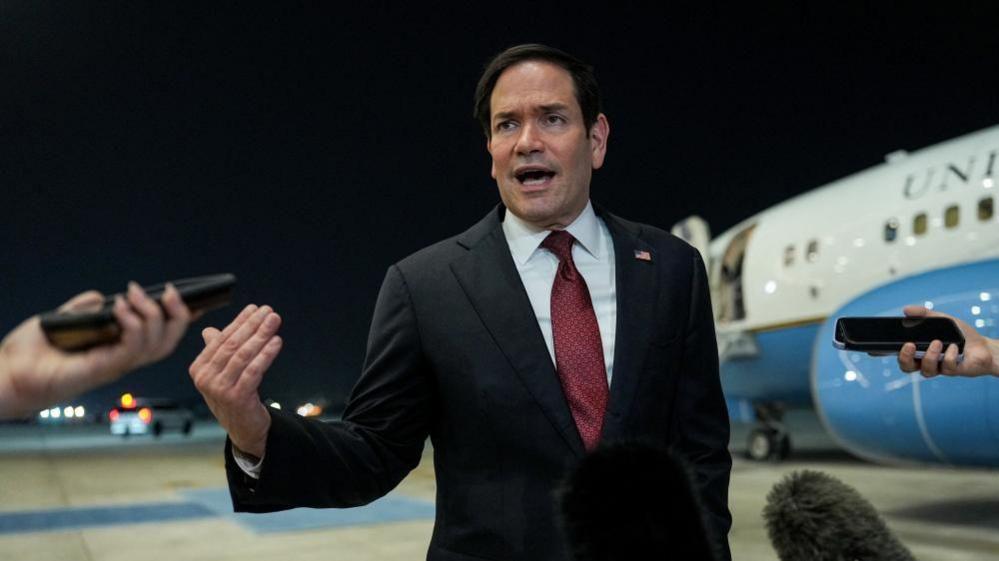
WASHINGTON (Civitas Global) — Secretary of State Marco Rubio confirmed on Sunday that the United States would not take over governance of Venezuela, clarifying that the U.S. would instead enforce an existing oil quarantine on sanctioned tankers. This revision follows President Donald Trump’s previous comments suggesting a full U.S. control over the oil-rich nation after the removal of leader Nicolás Maduro.
Rubio’s remarks aimed to alleviate concerns regarding potential prolonged foreign involvement or failed attempts at nation-building similar to past interventions in the Middle East. He emphasized that the plan is to use the quarantine as leverage to influence policy changes in Venezuela.
“We continue with that quarantine, and we expect to see improvements not only in the oil sector but also in efforts to tackle drug trafficking,” Rubio stated on CBS. This blockade has already intercepted some sanctioned oil tankers.
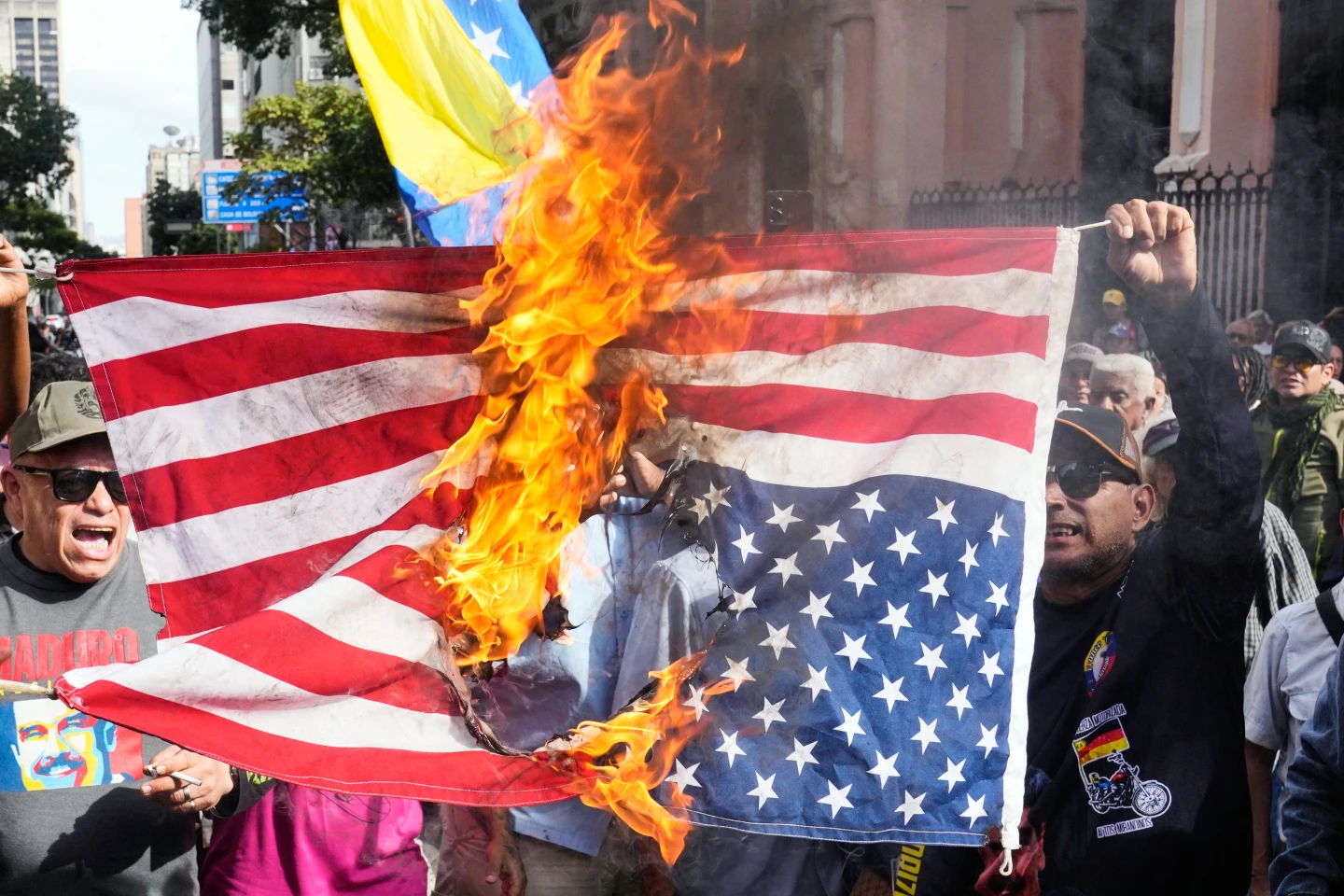
In response, Venezuelan authorities have publicly condemned the U.S. actions, asserting that they demand Maduro’s release. Experts are also questioning the legality of the U.S. strategy, which included actions taken without congressional approval.
Reaction to Trump's Statements
President Trump reiterated his belief that the U.S. would “run” the country until a suitable transition was possible, causing concerns among both Democrats and segments of his own party wary of foreign interventions. Some Republicans, particularly those part of the ‘America First’ ideology, raised questions about the implications of such actions.
Rubio dismissed fears of a new Iraq or Libya situation, asserting that the U.S. strategy would be different since it pertains to the Western Hemisphere. He indicated that the U.S. would monitor the actions of Maduro’s subordinates while not ruling out military presence on Venezuelan soil if required.
The U.S. operation that resulted in Maduro's detention marks one of the most direct attempts at regime change since the Iraq invasion and has raised significant legal questions regarding U.S. foreign policy.
Maduro's Capture and Reactions in Venezuela
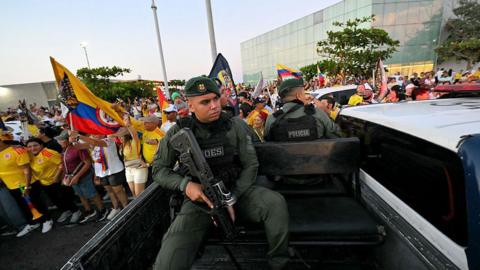
Following Maduro's removal, the capital of Venezuela experienced a sudden quiet, with streets nearly empty and numerous businesses closed. The Venezuelan government, however, insists Rodriguez will take the interim presidency until a resolution is reached, showing defiance against U.S. pressure.
As tensions escalate, pressure mounts on the Trump administration about the legality and legitimacy of its claims in Venezuela, making the future of both U.S. foreign policy and Venezuelan governance uncertain.