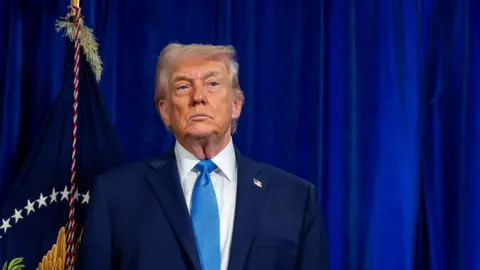
With the seizure of Venezuelan leader Nicolás Maduro, Donald Trump has demonstrated more powerfully than ever his belief in the power of his will, backed by raw US military force. On his orders the US has Maduro behind bars and now will run Venezuela.
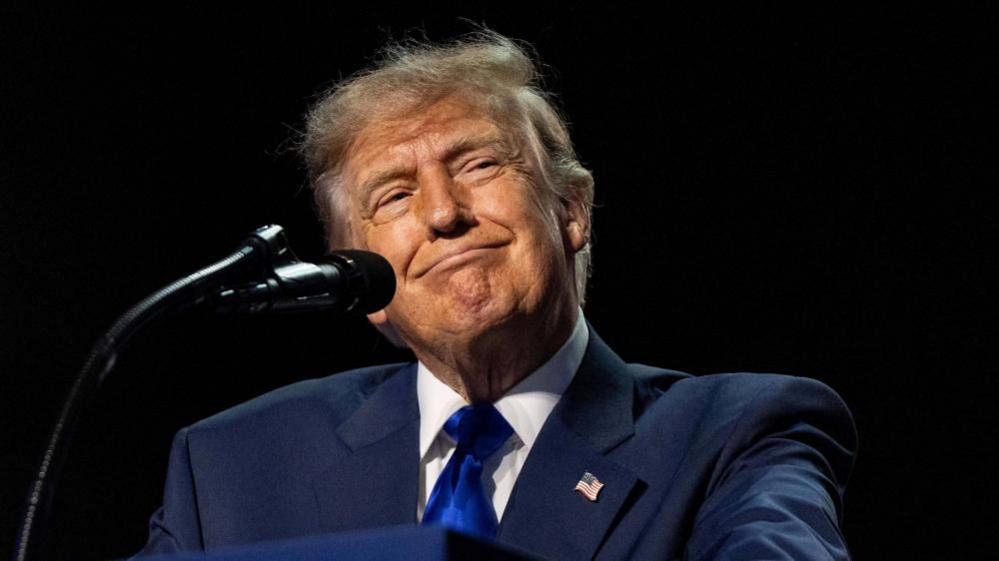
The US president made the announcement in a remarkable news conference with enormous implications for US foreign policy worldwide at his Florida club and residence, Mar-a-Lago. Trump said the US would be in charge in Venezuela until such time as we can do a safe, proper and judicious transition.
US Secretary of State Marco Rubio, he said, had spoken to the Venezuelan Vice-President Delcy Rodríguez, who had told him we'll do whatever you need... She, I think, was quite gracious, but she really doesn't have a choice.
Trump was light on detail. He said that we're not afraid of boots on the ground if we have to have [them].
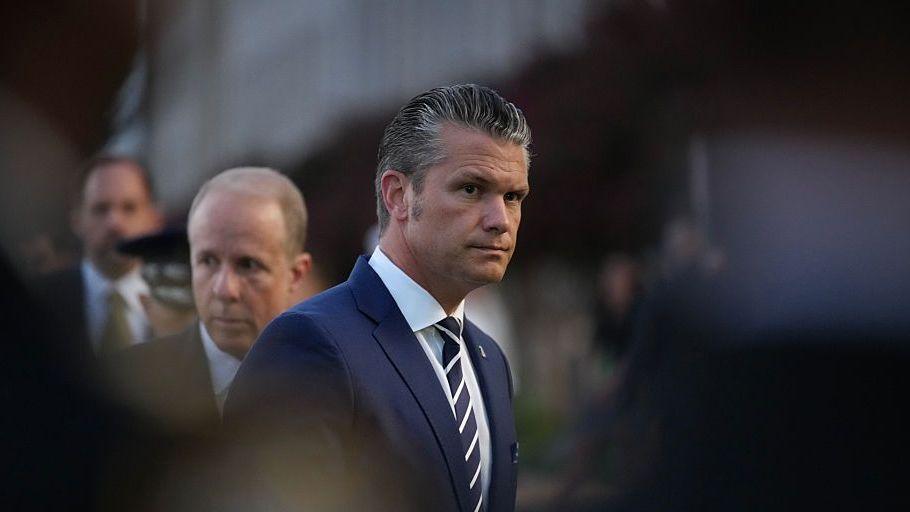
But does he believe that he can govern Venezuela by remote control? Will this demonstration that he will back words with military action, praised lavishly at Mar-a-Lago by both Marco Rubio and the US Secretary of Defence Pete Hegseth, be enough to reshape Venezuela and browbeat Latin American leaders into compliance?
The evidence is that it will not be easy or smooth.
The respected think tank, the International Crisis Group, warned in October that the fall of Maduro could lead to violence and instability in Venezuela. The same month The New York Times reported that defence and diplomatic officials in the first Trump administration had war-gamed what might happen if Maduro fell. Their conclusion was the prospect of violent chaos as armed factions competed for power.
The removal and incarceration of Nicolás Maduro is a remarkable assertion of American military power.
The US assembled a massive armada and achieved its goal without losing a single American life.
Maduro had ignored the will of the Venezuelan people by sweeping aside his own electoral defeat and, without question, his departure will be welcomed by many of its citizens.
But the implications of the US action will reverberate forward, way beyond Venezuela's borders.
Trump tried out a new nickname, the Donroe Doctrine, for the declaration made by President James Monroe in 1823 warning other powers not to meddle in America's sphere of influence in the Western hemisphere.
The Monroe Doctrine is a big deal, but we've superseded it by a lot, Trump said at Mar-a-Lago. Under our new national security strategy, American dominance in the Western hemisphere will never be questioned again.
He said that the President of Colombia, Gustavo Petro, had to watch his ass.
Lately, he told Fox News that something's going to have to be done with Mexico. Cuba is undoubtedly also on the US agenda, which is being driven by Rubio, whose parents are Cuban-Americans.
The US has a long record of armed intervention in Latin America.
This military operation is only the first stage. America's record of achieving regime change by force in the last 30 years is disastrous.
The political follow-up is what makes or breaks the process. Iraq descended into a bloody catastrophe after the US invasion in 2003. In Afghanistan, the attempted nation-building was swept away after the US pulled out in 2021.
Donald Trump talked of making Venezuela great again, but not about democracy. He dismissed the idea that the Venezuelan opposition leader María Corina Machado, who won the 2025 Nobel Peace Prize, should lead the country.
While there must have been some kind of internal collusion that gave the US military the inside knowledge it needed to remove Maduro, the regime created by his predecessor, Hugo Chávez, appears to be intact.
Furthermore, the Maduro operation amounts to another serious blow to the idea that the best way to run the world is to follow an agreed set of rules, as laid out in international law.
China condemned the US action, warning of the serious violation of international law and Venezuelan sovereignty. The US justification that its military was simply aiding the execution of an arrest warrant is thin, especially given Trump's declarations that the US will now control the country and its oil industry.
The implications set forth by this intervention resonate with anxieties surrounding authoritarian regimes potentially utilizing similar rationalizations for their own escalations in military maneuvering.
As Trump believes he makes the rules, the precedent set may invite further global turbulence, encouraging other states to act with similar impunity.