The oldest baby boomers — once the forefront of a vibrant youth culture in America — will turn 80 in 2026. This generation, responsible for the emergence of cultural phenomena like hula hoops and social revolutions such as Woodstock and anti-Vietnam protests, is now a significant factor in the country's aging population.
Notable boomers celebrating this milestone include actor Henry Winkler, baseball legend Reggie Jackson, and music icons like Cher and Dolly Parton. This demographic shift is emblematic of America's broader aging trend.
More Seniors, Less Young
Between 1946 and 1964, the U.S. saw a boom of approximately 76 million births — a phase heightened by post-World War II prosperity. The boomers were notably better educated and contributed significantly to a consumer-oriented economy. They participated in major social changes, such as the Civil Rights Movement and efforts to end the Vietnam War.
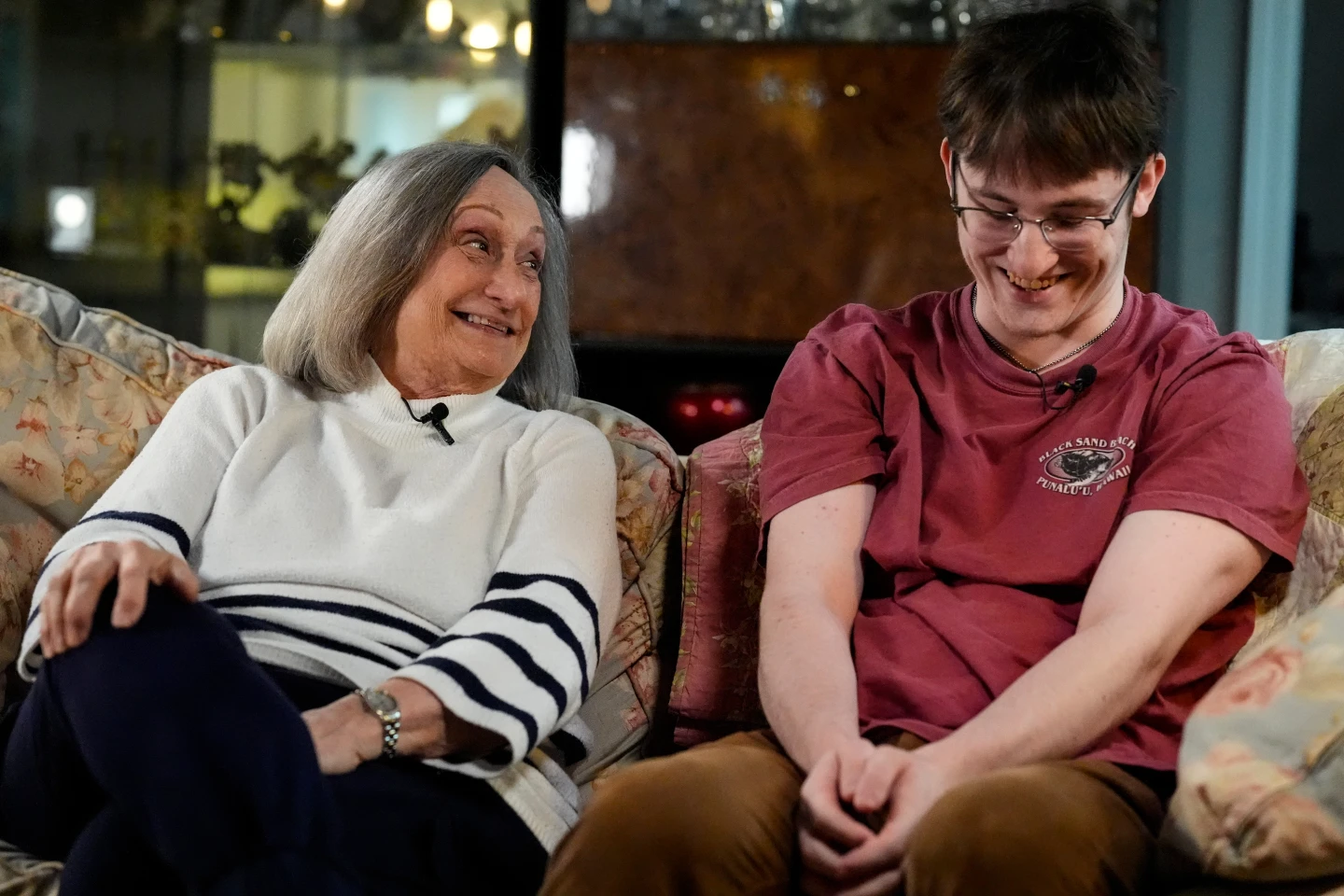
As they age, the ratio of elderly individuals in the U.S. population is projected to increase drastically. Demographic expert William Frey indicated that by the end of this decade, all boomers will be aged 65 and older. Currently, it is anticipated that the number of citizens aged 80 and over will double in the next 20 years.
Shifts in family dynamics show younger generations are delaying traditional milestones such as marriage and parenthood, influenced by factors like economic challenges and changing societal norms.
Impact on the Economy
This generational transformation poses challenges for economic growth, with fewer workers expected to support a growing senior population. By 2050, the elderly population will likely constitute nearly 23% of the demographic, with significant implications for social security and Medicare funds.
Efforts by politicians to encourage higher birth rates have included proposals for incentives like tax benefits for families. However, experts suggest that enhancing early childhood education and family leave policies could be more effective in supporting families who choose to have children.
As America prepares for a future of more seniors and fewer youth, the conversations surrounding the needs of older adults and younger generations continue to evolve, shaping the societal landscape.
Contributions from Emilie Megnien in Atlanta have enriched this report.