Uganda Celebrates End of Ebola Outbreak After Last Patient Discharged
After the final Ebola patient was released from a Ugandan hospital, the country is currently free from confirmed cases of the deadly virus.
Health Minister Dr. Chris Baryomunsi called the anniversary a "moment of joy" during a ceremony celebrating the discharge. The first case in Uganda was confirmed in May, involving a man who had travelled from the Democratic Republic of Congo, where the outbreak’s epicentre lies and where almost 800 people have already died.
WHO’s chief, Tedros Adhanom Ghebreyesus, noted that the outbreak is the world’s third largest on record and is spreading at an alarming speed in the Congo. He also warned that 80 % of new cases come from previously unknown transmission chains, underscoring the covert nature of the spread.
As Congolese authorities fight to contain the virus, the United States has extended travel restrictions for its citizens who have been to the Congo, requiring a 21‑day quarantine in a third country before re‑entry.
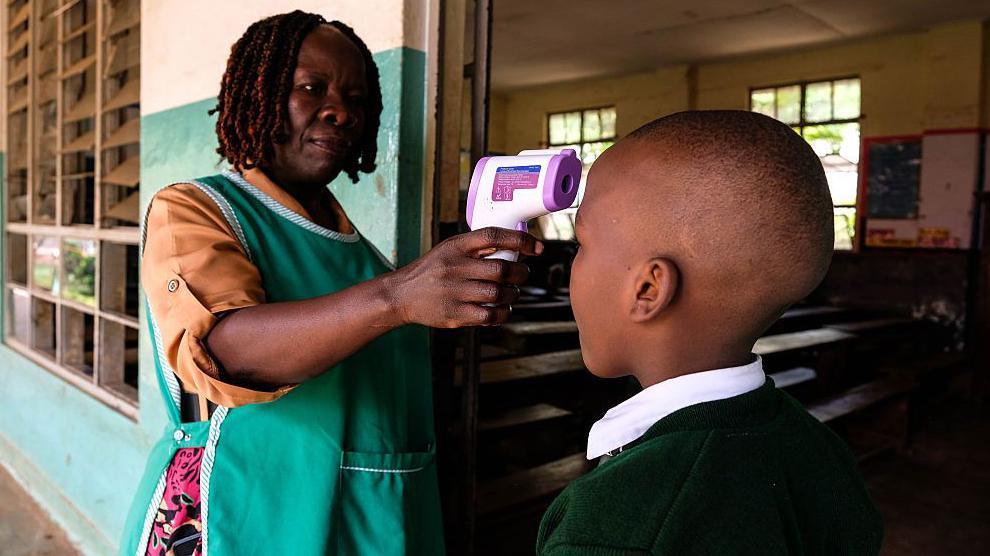
Meanwhile, the Ugandan ministry has begun a 42‑day countdown before the country can officially be declared Ebola‑free, provided no new infections emerge. It further urges residents to remain vigilant and seek immediate care if experiencing fever, vomiting, diarrhoea or unexplained bleeding.
In total, Uganda recorded 20 confirmed cases with two deaths, mainly among visitors from the Congo. In contrast, the Congo reports over 2,000 confirmed infections and 796 deaths.
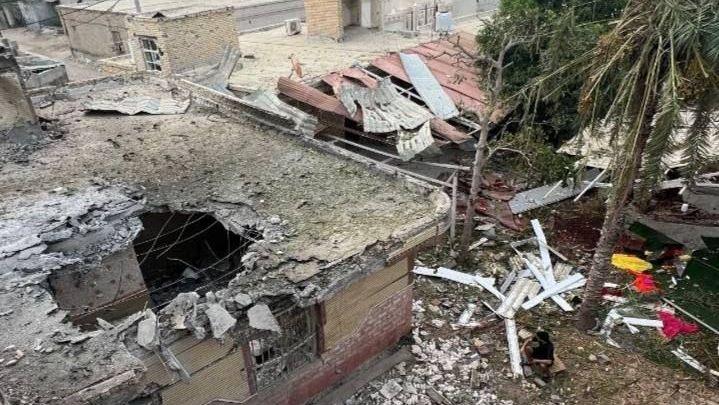
In the Congo, health staff face shortages of beds and contact‑tracing resources amid active armed conflict, making containment more difficult. The WHO has appealed for $115 million to tackle the outbreak, having received only $45 million so far, describing the need as an investment in national security rather than charity.
Ebola remains caused by a virus that attacks the immune system, usually spread via bodily fluids. While the strike usually starts from infected fruit bats, it can suddenly ignite in human populations, requiring prompt detection, isolation, and treatment.
Additional reporting by Swaibu Ibrahim in Kampala.