In brief
On November 1, 2026, the Democratic Republic of Congo’s Ministry of Health released new figures showing the Ebola outbreak had claimed 5,340 lives out of 10,351 confirmed infections, a mortality rate of 51.6%. The surge continues as the nation grapples with the health crisis and its ramifications for public agencies.
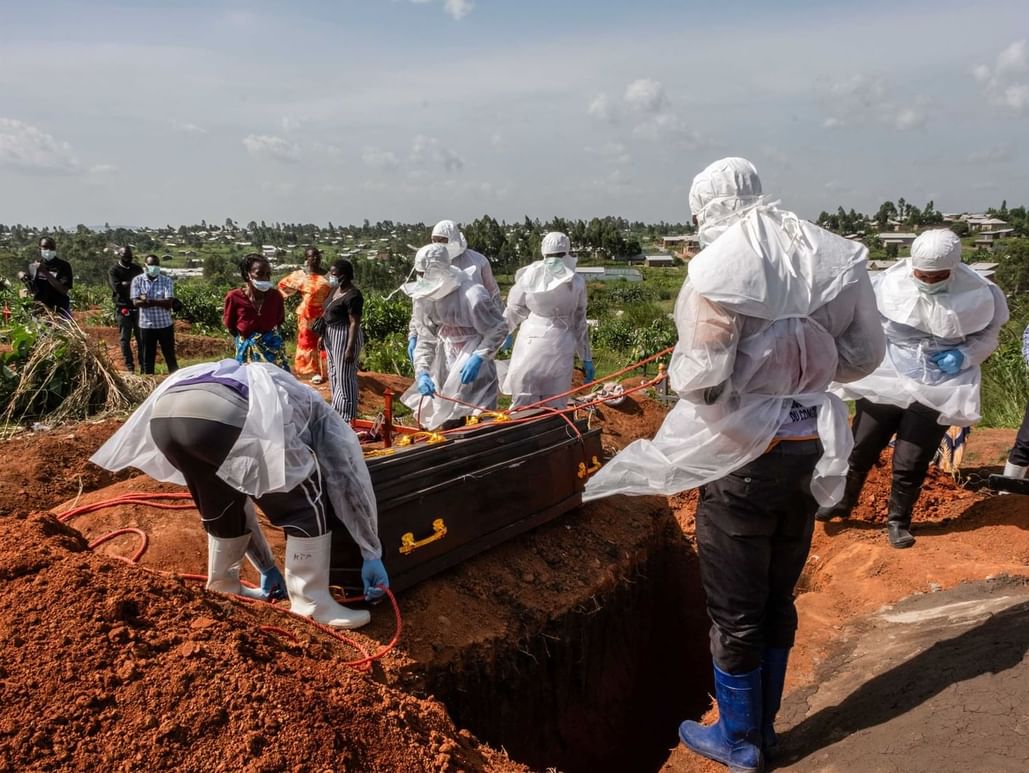
In a statement published Sunday 1 November 2026 on its website, the Ministry of Health of the Democratic Republic of Congo announced that the Ebola death toll had increased to 5,340, with 10,351 confirmed cases recorded as of 29 October. The data were released in Kinshasa, the capital, marking a further rise in a sprawling outbreak that has challenged the country’s public health infrastructure.
The ministry’s update comes amid ongoing investigations into how the outbreak has strained local healthcare facilities, strained supply chains for critical treatment supplies, and highlighted gaps in surveillance and community outreach. Officials confirmed that the case fatality rate—calculated by dividing the number of deaths by the number of confirmed infections—stood at 51.6 percent, a figure that demonstrates the virus’s continued lethality in this region.
With more than 10,000 confirmed cases, the outbreak has stretched the capacity of hospitals and field teams across several provinces. The ministry noted that the surge persisted in the weeks leading up to the announcement, indicating that the virus remains active in communities that are still struggling to access medical care.
Local health workers and international partners have been working to increase testing capacity and to disseminate accurate information about protective measures. Nevertheless, many residents remain hesitant to seek treatment, fearing isolation and stigmatization.
Implications for Public Administration and Accountability
The rising death toll places heightened pressure on the country's health ministries and airport authorities that oversee quarantine protocols. The government now faces scrutiny over its preparedness to handle contagious disease outbreaks, especially concerning the coordination between the national Ministry of Health, provincial health offices, and international agencies such as the World Health Organization.
Financial commitments for the extension of treatment centers have already been announced, yet the allocation and timely use of resources remain under public observation. Citizens demand transparent reporting on how funds are allocated and on the distribution of critical medical supplies across affected regions.
Governance bodies, including the National Assembly and the Constitutional Court, are beginning to assess the adequacy of existing public health legislation in preventing future crises. Questions have arisen about whether current laws allow for swift legislative reforms when a public health emergency threatens large swaths of the population.
Furthermore, the situation has thrust attention to the role of local communities in disease containment. Community leaders are being called upon to assist with surveillance efforts and education programs, yet their ability to mobilize resources and authority is limited by the central government's capacity to support them.
The proportional impact on the most vulnerable—particularly in rural areas—has been stark. Doctors in remote towns report that many patients arrive too late for treatment. The delay is exacerbated by travel constraints and a lack of rapid diagnostic kits, which hamper real-time monitoring of infection clusters.
Health officials reiterated that the mortality rate reflects both the virulence of the virus and the challenges inherent in providing effective care in the region. They emphasized the importance of early diagnosis and immediate care, underscoring the need for sustained community engagement and governmental accountability.
While there have been no direct statements from opposition parties, the weight of the current figures has led to heightened discourse in civil society forums about the nation’s emergency response protocols. Advocacy groups are demanding clearer communication from the government and stricter enforcement of preventive measures in public spaces.
The Ministry of Health intends to release updated figures weekly, hoping to increase transparency and encourage collaborative action between the government, international partners, and community organizations. This ongoing reporting is a cornerstone of the public’s capacity to assess the severity of the outbreak and the effectiveness of the country’s intervention strategies.
As the death toll escalates, the democratic fabric of the country will continue to be tested. Citizens are envisioning a future where health emergencies are met with stronger institutional frameworks and where public accountability remains paramount in safeguarding lives on a national scale.