In brief
Vice‑President John Vance surprised listeners by saying he would not be shocked if the Antichrist walked among us, a statement he made in a Christian podcast. His friend Rod Dreher defended the remark, noting that many American Christians already hold that view and that it has no bearing on his performance in office. Vance, a convert to Catholicism in 2019, stressed the comments were a faith reflection rather than a political strategy. The remarks come as he prepares for his first White‑House briefing since the loss of Press Secretary Karoline Leavitt.
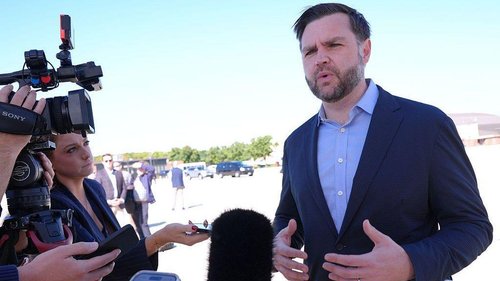
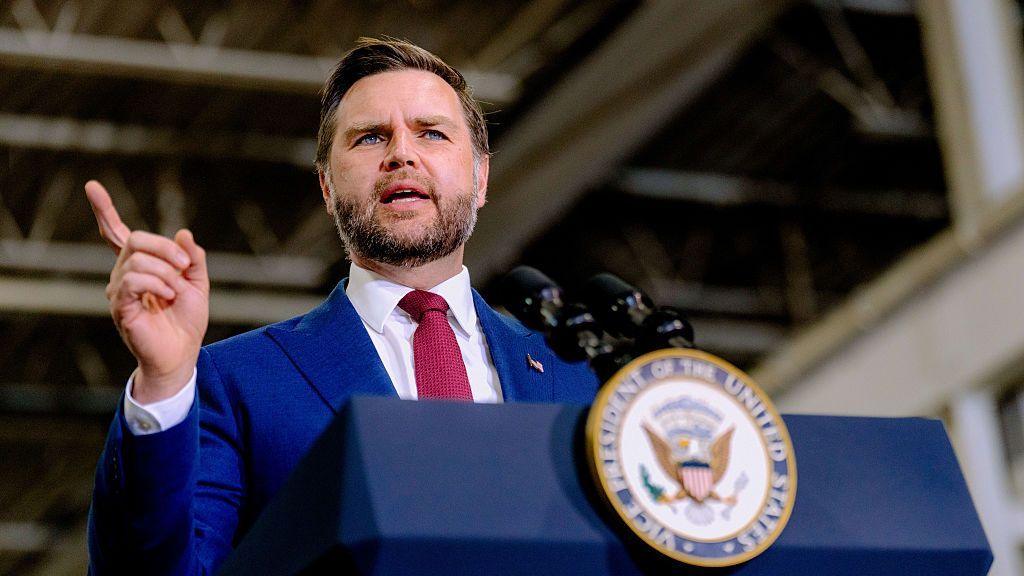
Vice‑president John "JD" Vance has stirred conversation after remarking on the possibility that the Antichrist could be among us. The comments were made while answering a question on a Christian‑podcast, where he said he would not be shocked by the figure’s presence "in our time".
Rod Dreher, a conservative columnist and Vance’s friend, told the BBC’s Today programme that the idea is "extremely common among American Christians" and that voters would not see it as a problem. He noted that the notion has long existed in the public mind, citing President Ronald Reagan’s similar remarks.
Vance, who became Catholic in 2019, clarified that the talk of the Antichrist is part of his faith reflection rather than a political tactic. "I think in this world there are things that make me not shocked if the Antichrist is walking among us," he told the host. "But my focus is to do God’s work here as president."
The remarks arrive as Vance prepares to give his first White‑House press briefing since Press Secretary Karoline Leavitt departed. The question of faith and public office continues to be a dividing point in American politics.