In brief
A mass arrival of more than 72,000 migrants in late July set off a cycle of violence in Ceuta, a Spanish exclave on the African coast. Locals feel unsafe and accuse authorities of mismanaging the crisis, while MPs condemn the far‑right rhetoric. The Spanish government has called for calm and pledged reforms, yet the conflict highlights deeper disputes over sovereignty, migration policy and the treatment of migrants.
In the last twenty days, Ceuta has played host to a series of confrontations that have left the Spanish city’s streets bruised and its residents uneasy.
A surge of over 72,000 migrants crossing from Morocco by swimming past a border fence on 30 and 31 July left at least 100 people dead, according to the mayor of Ceuta. While the majority returned to Morocco the following days, several thousand—many children—still remain on the beaches or in city streets, living rough.
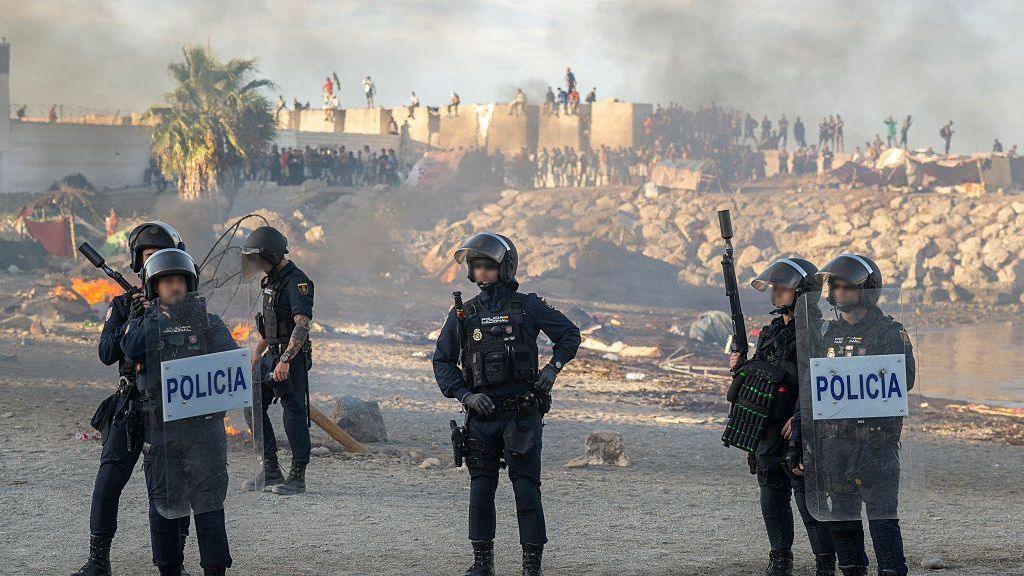
Waves of protests that began peacefully have shifted toward violence. Last Thursday, civilians blocked Red‑Cross volunteers from delivering food, set fire to camps on Trampolino beach, and clashed with police. In a related incident, 12 migrants were arrested for throwing stones at a military vehicle and damaging it.
The crisis has provoked sharp political fire‑storms. The mayor, conservative Juan Jesús Vivas, said the city’s dignity and Spain’s integrity were at stake, while opposition leader José María Figaredo of the far‑right Vox was investigated for alleged hate‑crime remarks, telling people to be “hunted down, one by one”.
Pedro Sánchez’s Socialist government has called for calm and expressed concern about stigmatisation. Interior‑Minister Fernando Grande‑Marlaska warned that rhetoric could deepen social division, and defence minister Margarita Robles apologised to Ceuta residents who felt abandoned atop plans to house migrants in public buildings such as sports centres.
Tensions also rise over Morocco’s claim on Ceuta and neighboring Melilla. Spain’s Foreign Minister José Manuel Albares rejected any suggestion that the border could become a point of dispute, underscoring that Spain’s territorial integrity is unquestioned.
With the situation still fluid, the local assembly has produced a joint declaration condemning all violence. Yet the debate over how to manage migrants—whether by keeping them in mobile units, processing claims, or returning some to Morocco—continues to polarise the political landscape.