In brief
In summer 2026, wildfires in Indonesian Borneo have devoured 200,000 hectares of peatland, releasing massive carbon emissions that have been dubbed “carbon bombs.” Thousands of volunteer firefighters—many from indigenous Dayak and Banjar communities—are battling these fires under toxic haze and scarce water resources. Peatlands, which had stored centuries of carbon, now emit CO₂, CO and methane, worsening the region’s already dire climate crisis. The crisis is rooted in decades of peatland draining for plantations, converting a natural carbon sink into a fire hazard. As the fires spread, public health and ecological balance are both threatened, leaving the nation at a tipping point.
The sky over Borneo has turned a toxic amber, as thick smog blankets the region from Indonesia to Singapore, Manila and Kuala Lumpur. The haze is the product of an unprecedented blaze that has choked 200,000 hectares of peatland, forest and farmland since early July.
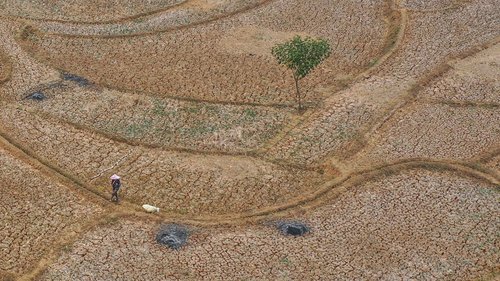
Peatland is an ancient carbon store: underground layers of decomposed vegetation accumulate carbon over thousands of years. When these layers dry and ignite, they become “carbon bombs,” emitting CO₂ and methane in a rapid, explosive pulse. As the peat fuels ignite, the fire spreads through the jungle and uplifts the air with deadly particulates, driving the region’s air‑quality index to “unhealthy” extremes.
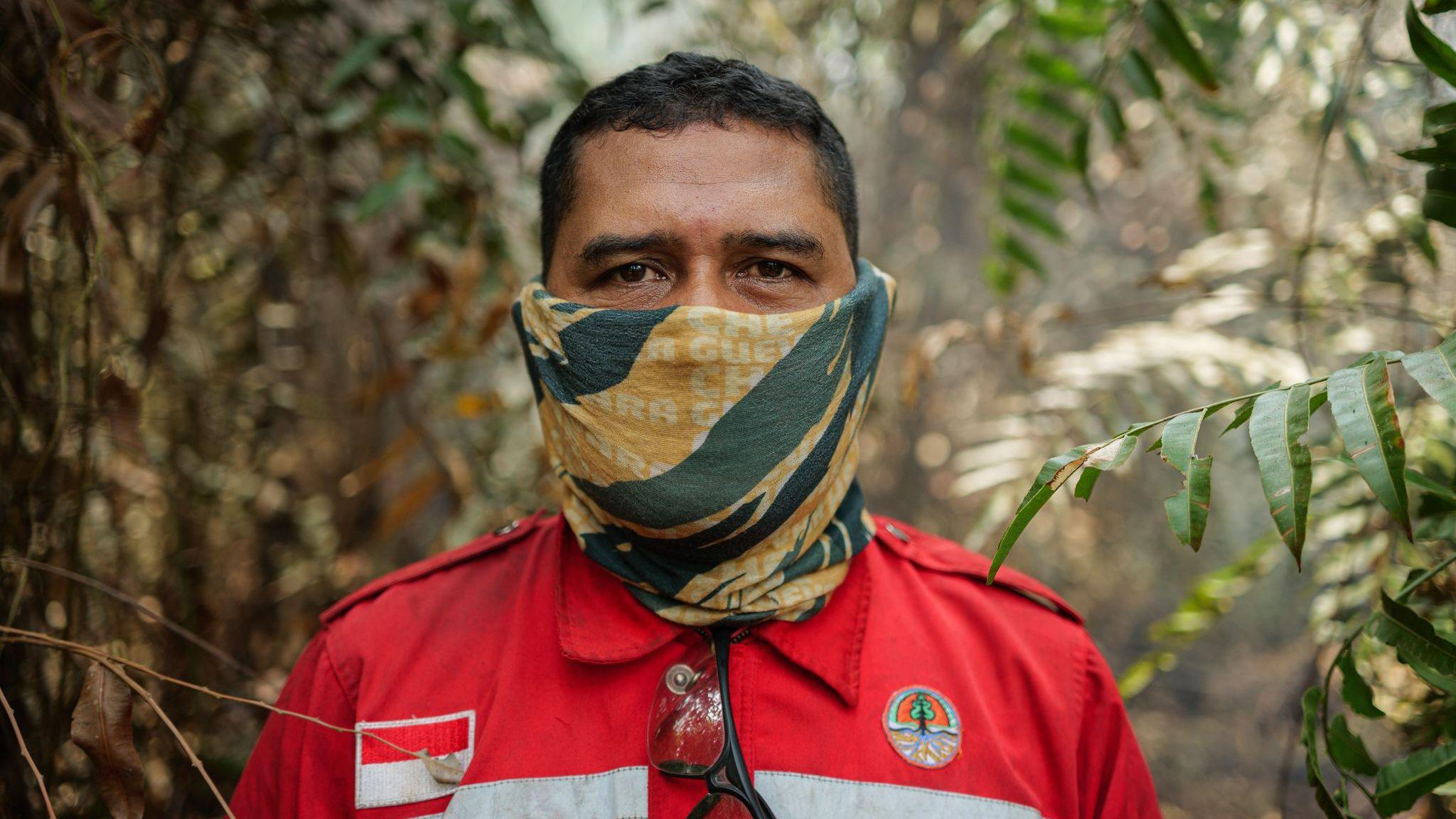
35‑year‑old Dwi Sujatmoko has spent more than a month fighting these refractory fires, but the fight takes a toll. “The smoke is like tear gas. It hurts the nose, the eyes, the lungs,” he says. In Banjarbaru, where the fires are most intense, firefighters dig trenches, open canals and drill borewells to keep hoses supplied with water, often at the risk of dehydration and heat exhaustion.
Peat‑land draining began in the Suharto era, as large swathes of rainforest were cleared for rubber and palm‑oil plantations. Today, the drained peatlands are drier and more prone to ignition. Dr. Nisa Novita of YKAN notes that a single metre of peat can contain over 6,000 tonnes of carbon, the equivalent of four thousand and eight hundred Australian cars’ yearly emissions.

Local communities are also shuttled to fire fronts, owing to cultural practices that rely on controlled burning for clearing land. Tono, an elder of the Dayak Kanayatn people, says that indigenous communities “are forever used as scapegoats” for causing fires. His people farm by “hill farming” (uma bukit) to preserve the balance with the natural environment, contrary to the suspicion that the fires are a result of uninhibited land clearing.
The health toll has been staggering: between July and August, Indonesia’s Health Ministry recorded over 50,000 cases of respiratory infections linked to the fires, including more than 12,000 affecting children under five. Professor Susan Page of the University of Leicester explains that toxic carbon monoxide and particulate matter can penetrate deep into lung tissue and lead to long‑term organ damage.

In the face of relentless drought, few water supplies, and an environment where fires can reignite from buried peat, volunteers are exhausted but resolute. “We get tired, we miss families, we keep going because it’s our duty,” says Sujatmoko. “We also hope rain comes soon.”
The crisis underscores the urgent need for policy change: peatland protection, reduced deforestation, and sustainable fire‑management practices must be enforced to avert a repeat of this “carbon bomb” disaster and to safeguard both human and ecological health across Southeast Asia.