In brief
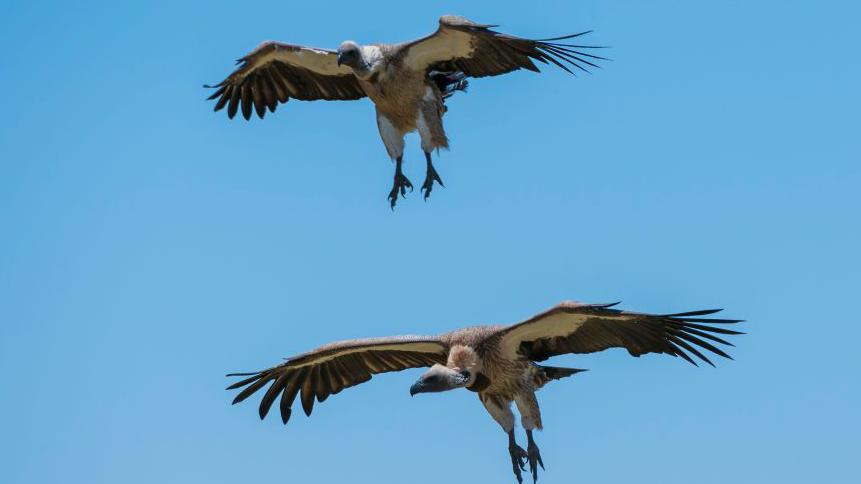
Across Africa, vultures are declining due to hunting, poisoning and illegal trade. In Awka‑Etiti, local champion Chukwuemeka Igwe, the ‘Vulture King’, defends the birds by promoting traditional rituals and local bylaws. The community’s education and vigilance have helped the population rise from about 20 in 2017 to more than 160 today. Without vultures ecosystems lose a key disease‑defence mechanism. Igwe’s success demonstrates the power of grassroots conservation.
People fear the environment where the shrine is. No evil will ever happen here. So, nobody fights vultures that perch here, tells Chukwuemeka Igwe, known to locals as the Vulture King.
Local tradition in the largely Christian town of Awka‑Etiti preserves a sacred forest that surrounds a shrine dedicated to the deity Nguma. Vultures play a vital part in maintaining the ecological balance by clearing carcasses within hours, preventing the spread of diseases such as anthrax and rabies.
In many West African cities, people no longer miss the disappearance of vultures, but conservationists warn that the loss threatens public health. Hunting tied to traditional beliefs and the use of vulture body parts in medicine are key drivers of the species’ decline.
Residents of Awka‑Etiti continue to observe practices that honor the birds. Fresh animal sacrifices are sometimes offered at the shrine to attract vultures, signalling that the deity has accepted the offering, a belief that blocks hunting.
Chukwuemeka Igwe, who has worked with the Nigeria Conservation Foundation for over six years, has mobilised local leaders, volunteer groups and security teams. Their outreach includes visiting markets and public spaces to explain the ecological benefits of vultures and to warn against poaching.
“We've heard shocking news that people are not just going for vultures anymore, they're going for the nests and even the eggs,” says Stella Egbe, biologist at the foundation.
Stella Egbe – Biologist, Nigeria Conservation Foundation
The community’s efforts have paid off: volunteers now record more than 160 vultures, up from about 20 in 2017. The rise shows that local engagement can reverse the bird’s decline.
Across Nigeria, the illegal trade of vultures remains a major threat. The country’s porous borders facilitate smuggling, and customs officials have begun rigorous searches and prosecutions, though enforcement alone is insufficient without education.
As vultures disappear across the continent, Nigeria’s example in Awka‑Etiti stands as a hopeful model for grassroots conservation, proving that when communities take charge of their environment, species can recover even in the face of serious external pressures.