In brief
Doctors in the DRC have enrolled the first patient in a WHO‑led trial testing two investigational therapies for the Bundibugyo virus, a highly contagious strain causing thousands of cases and hundreds of deaths. The trial, coordinated with academic partners, seeks to provide evidence‑based treatments while the outbreak declared a public health emergency continues. Researchers highlight that vaccines exist only for three of six Ebola species, underlining the need for adaptive treatment strategies.
Ebola treatments trial begins in the Democratic Republic of Congo
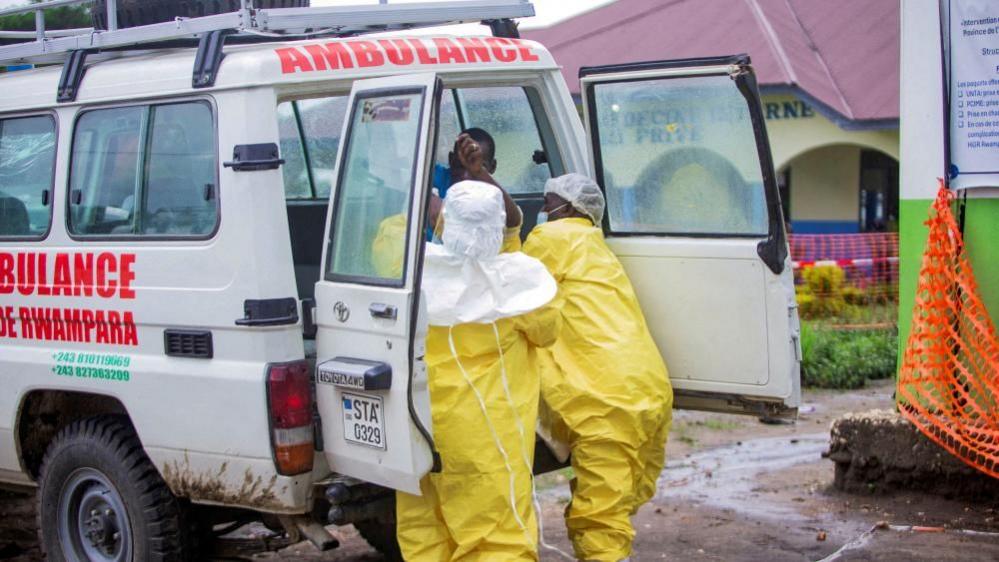
In a decisive move to curb the current Ebola outbreak, the World Health Organization announced the start of a clinical trial testing two investigational therapies for the Bundibugyo virus strain in the Democratic Republic of Congo (DRC).
First patient enrollment took place on Thursday, marking the beginning of the trial coordinated by the WHO, the Institut National de Recherche Biomédicale in the DRC, the Institute of Tropical Medicine in Belgium and the University of Oxford.
As of the latest WHO data, there have been more than 1,400 confirmed cases and 438 deaths in the DRC alone, with the outbreak declared a public health emergency. Without approved vaccines or treatments for this strain, the trial represents a critical step toward safer patient care.
World Health Organization Director‑General Tedros Adhanom Ghebreyesus emphasized that although some patients recover without pharmacological support, effective therapeutics could save many lives. "Even without approved therapeutics, people are recovering from this disease, but if we could safely and effectively treat it, we could save many more lives," he said.
The Bundibugyo strain of Ebola, known for high infectivity, usually jumps to humans from fruit bats. People become contagious after symptom onset, with the incubation period ranging from two to 21 days.
Only three out of the six known Ebola species have developed vaccines, making treatment research a top priority in regions like the DRC and Uganda where cases have surged since May.