In brief
In Tianshui, China, a nursery owner received a life sentence after a court found that she and five kitchen staff poisoned more than 200 children with lead‑laden meals. Red date cakes and sausage corn buns contained levels of lead thousands of times the national limit. The case exposed an attempted cover‑up by provincial officials and sparked new government food‑safety guidelines. The nursery principal was also imprisoned and fined, while four kitchen staff received six to eight‑year sentences.
Li Huifang, who ran the Heshi Peixin Kindergarten in Tianshui, gained a life sentence after a court found that she, together with five kitchen staff, had fed over 200 children lead‑laden food.
The investigation began when 247 pupils and staff developed symptoms and routine blood tests revealed abnormally high lead levels.
Kitchen workers had intentionally added inedible paint and other toxic ingredients to dish’s surface to make them more attractive, even though the paint was clearly labeled as non‑edible.
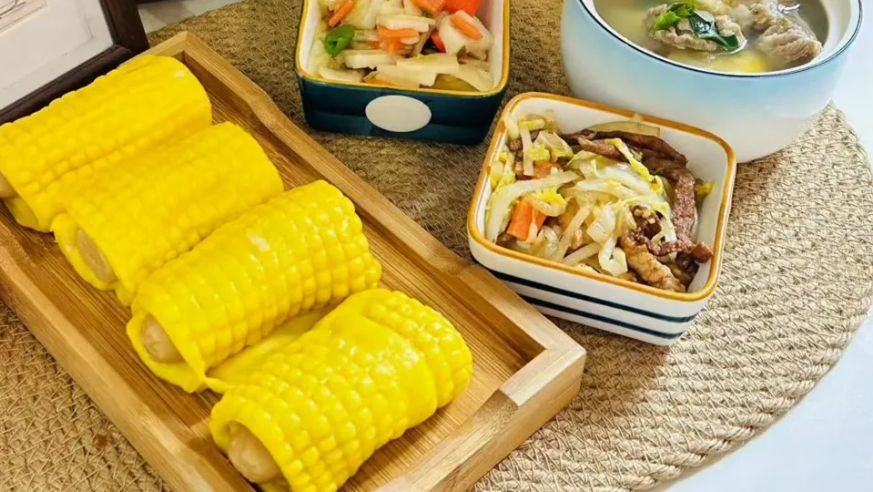
Crime detectives uncovered that the red date cakes and sausage corn buns contained 1052mg/kg and 1340mg/kg of lead – thousands of times above China’s 0.5mg/kg safety standard.
Li was ordered to give up 500,000 yuan of personal assets; the principal, Zhi Jinglin, received a 15‑year sentence and a fine of 300,000 yuan.
Four kitchen staff earned between six and eight years in prison, with the court stating they had followed Li’s and Zhi’s instructions to incorporate harmful compounds into the meals.
The case also exposed a cover‑up attempt by provincial officials and hospital personnel, who tried to tamper with blood tests and accepted bribes from a nursery investor.
Following the scandal, Beijing issued new national guidelines that now mandate food testing before each batch and restrict procurement of basic ingredients to centralised distribution points.
According to the World Health Organization, lead poisoning especially harms young children, damaging the brain and central nervous system.