In brief
Following the unexpected dismissal of Jay Rothman as the University of Wisconsin System president, board leaders contend that he was not reactive enough to critical challenges like artificial intelligence. Regents explained at a Senate hearing that Rothman's lack of communication with lawmakers and faculty led to their unanimous decision to fire him. Despite Rothman claiming he was left in the dark about the reasons for his ouster, board members stated substantial grounds exist for the termination.
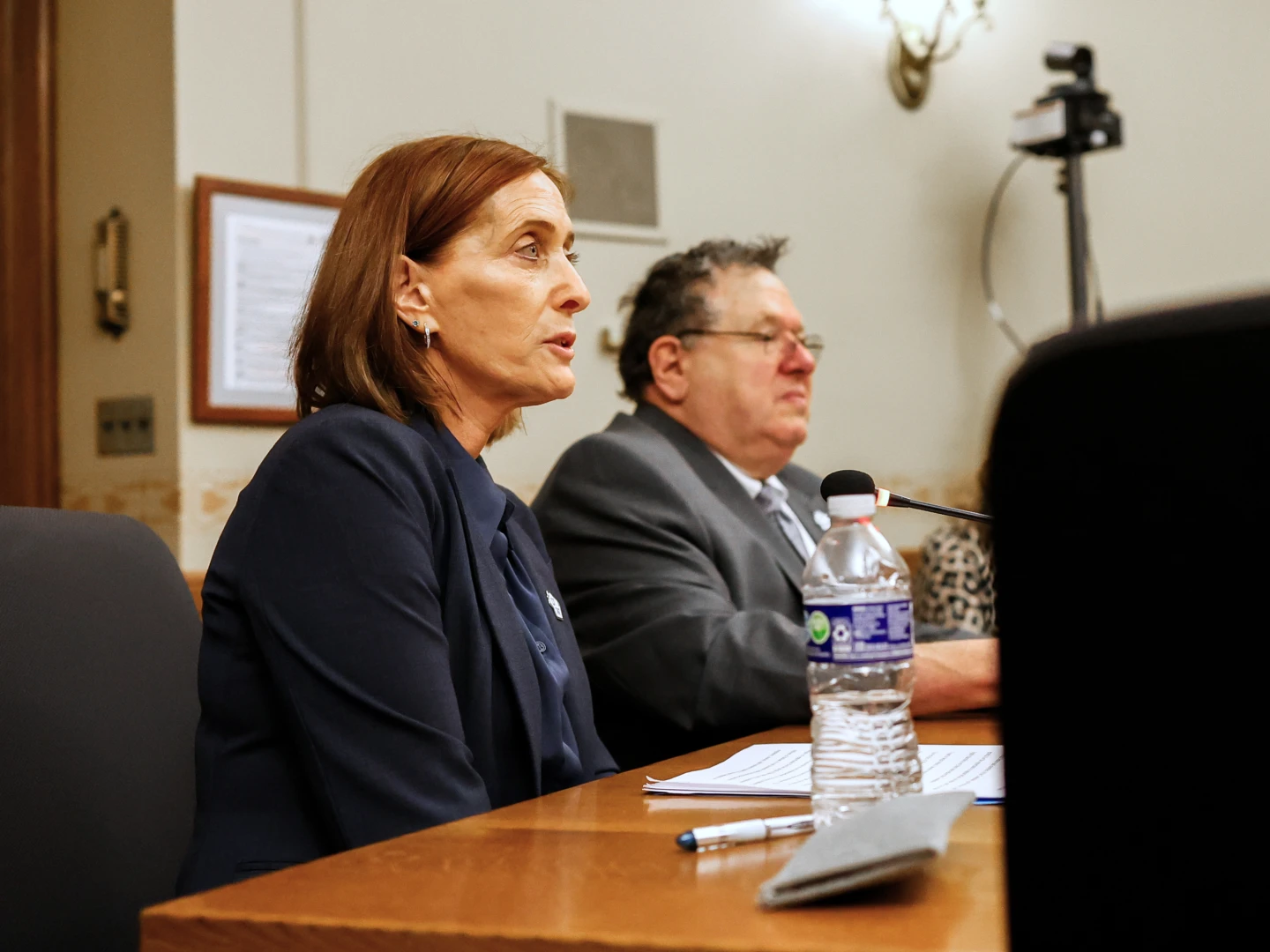
MADISON, Wis. (Civitas Global) — The University of Wisconsin System governance board has pushed back against the claims made by Jay Rothman, the recently ousted system president, who stated he was 'blindsided' by his termination. During a public hearing on Thursday, regents articulated that Rothman's slow engagement with important issues such as artificial intelligence played a significant role in their unanimous decision to dismiss him.
Little was said by the regents regarding Rothman's abrupt firing until this week, despite accusations from the former president that he was unaware of the board's dissatisfaction with his performance. Regents revealed that Rothman was indeed aware of several substantial concerns that contributed to their decision.
Regent President Amy Bogost emphasized, 'That decision was not made lightly. It was not political, nor retaliatory. We made a difficult decision for the right reasons, and I firmly stand by it.'
Although Rothman expressed surprise in an interview following his firing, regents maintained that the reasons for his dismissal were justified and communicated in prior discussions. They accused Rothman of failing to rally the university community around critical strategic priorities, instead opting for a stance that stifled open dialogue with faculty and lawmakers.
Regent Timothy Nixon added during the Senate hearing that Rothman's limited willingness to engage with state stakeholders and reluctance to advocate for urgent initiatives not only hurt relations but also hampered potential advancements for the university system.
Specific issues, such as Rothman's attempts to curb public discourse around board matters and to take exclusive credit for achievements that benefitted from collective efforts, raised eyebrows among the regents, ultimately leading to the decision for immediate termination.
Regent members suggested that Rothman could opt to waive his confidentiality rights regarding personnel decisions to enable a broader discussion about his ousting. However, they warned that his option to maintain confidentiality could propagate a one-sided narrative damaging to the reputation of the university.
As the debate over Rothman’s firing continues, it remains evident that the regents are committed to transparency and accountability, striving to maintain public trust while navigating the complexities of leadership within the university system.