In brief
In a climate of increasing tension and uncertainty, thousands of Georgians have gathered nightly along Rustaveli Avenue, protesting against their government, which they accuse of abandoning their European aspirations for closer ties with Russia. These continuous demonstrations reflect the deep frustration among citizens as they demand accountability from the ruling Georgian Dream party amid rising authoritarianism.
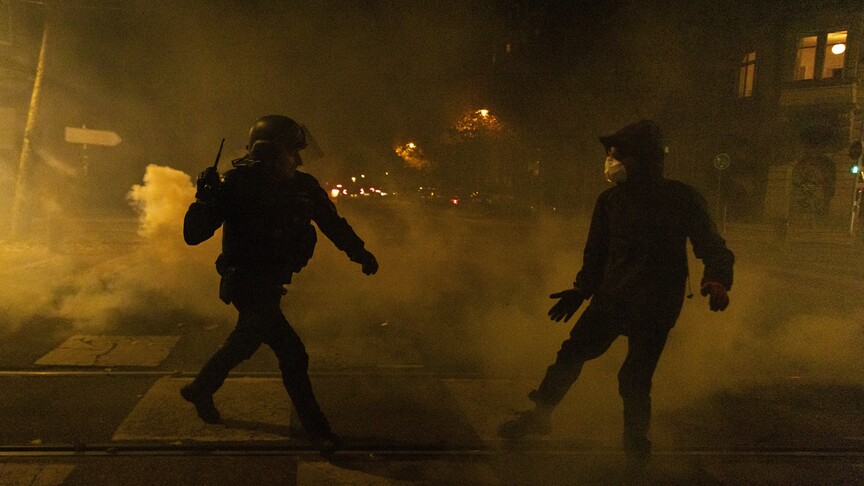
On the fifth consecutive night of demonstrations, police employed water cannons and tear gas to disperse the crowds, leading to numerous injuries on both sides. Protesters have faced harsh police tactics, prompting accusations of brutality and overreach by the authorities. With the country in a constitutional crisis, the ruling party has dismissed calls for fresh elections despite claims that the previous election was fraught with violations.Opposition leaders and their supporters draw parallels to the pro-European movement in Ukraine during the Maidan protests, fearing a loss of sovereignty to Russia. As tensions mount, the stakes could signify a critical choice between a European Georgia and a return to Moscow's influence. Meanwhile, a growing chorus of voices, including lawyers, academics, and public officials, calls for reform and greater democratic accountability, as the protests spread to other regions in the country. The future of Georgia hangs in the balance as protest leaders continue to frame their struggle as part of a broader fight for freedom against external pressures, hoping to achieve a truly democratic society aligned with Western values. As events unfold, the resilience of the Georgian populace will be tested, with their aspirations for a European future at the forefront of their struggle for rights and recognition in a volatile political landscape.