In brief
Zambian opposition leader Brian Mundubile has been officially charged with treason following a police raid that forced him into hiding at a United Nations compound in Lusaka. The move comes after he publicly challenged the official 2026 presidential vote tallies that secured President Hakainde Hichilema a second term. His party has denied any plot for armed insurgency, but the government claims the allegations backed up former cabinet minister casualties and the detention of political figures. Rising tensions and pending judicial review have heightened concerns about democratic backsliding and human‑rights violations in Zambia.
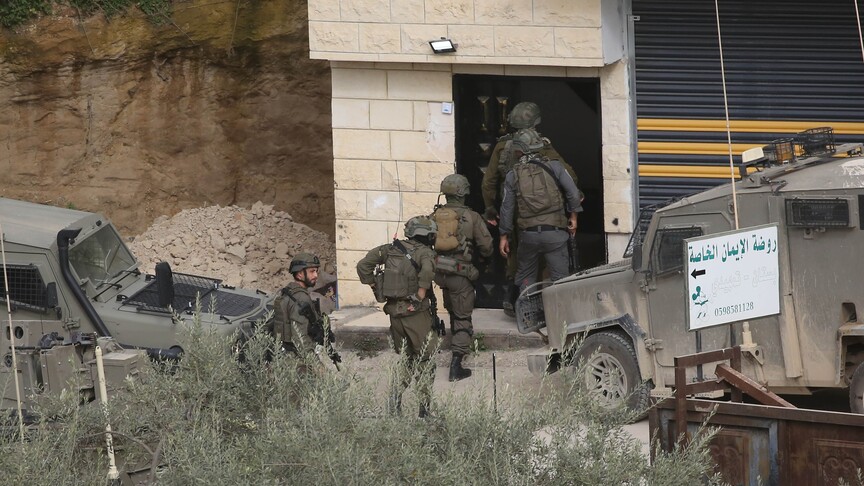
After an allegedly fatal police raid on a house linked to the National Revolutionary People’s United Party (NRPUP), its leaders fled the scene. Hunter Leon, an activist who opposed the ruling party, quickly filed for legal aid and secrecy surrounding the raid sparked opposition criticism.
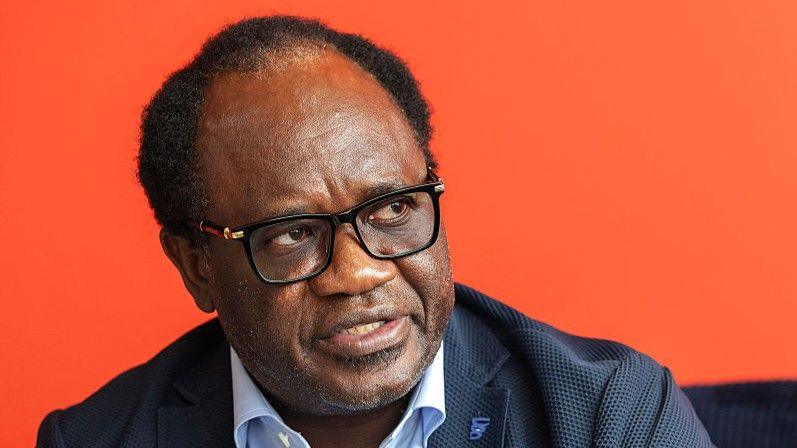
On Thursday, the authorities moved to arrest the NRPUP leader Brian Mundubile, an outspoken critic of incumbent President Hakainde Hichilema. The government’s claims of an armed insurgency plot were swiftly denied by the party, which has a long history of rallying for democratic politics in Zambia.
Mundubile fled to a United Nations compound in Lusaka after the forceful raid. The United Nations building, a diplomatic refuge, was pressured by the administration to hand over the man, who was later detained and charged with treason. The case follows the seizure of other opposition faces, including running mate Makebi Zulu and 16 others.
The 2026 election results, published on 13 August, gave President Hichilema 60% of the vote. His win was announced against a backdrop of increased violence, with several failed pick-ups at political properties and an ongoing death toll among former cabinet ministers. While international observers called the electoral day largely peaceful, local human rights bodies have called for transparent investigations into victims that remain unaccounted for.
Under pressure, Hichilema’s administration plans to swear in the president for a second term on 1 September. He faces criticism for ignoring the analysis of opposition grievances as the country wrestles with a fragile democracy amid a surge of targeted arrests and intimidation of civilians and human-rights workers.