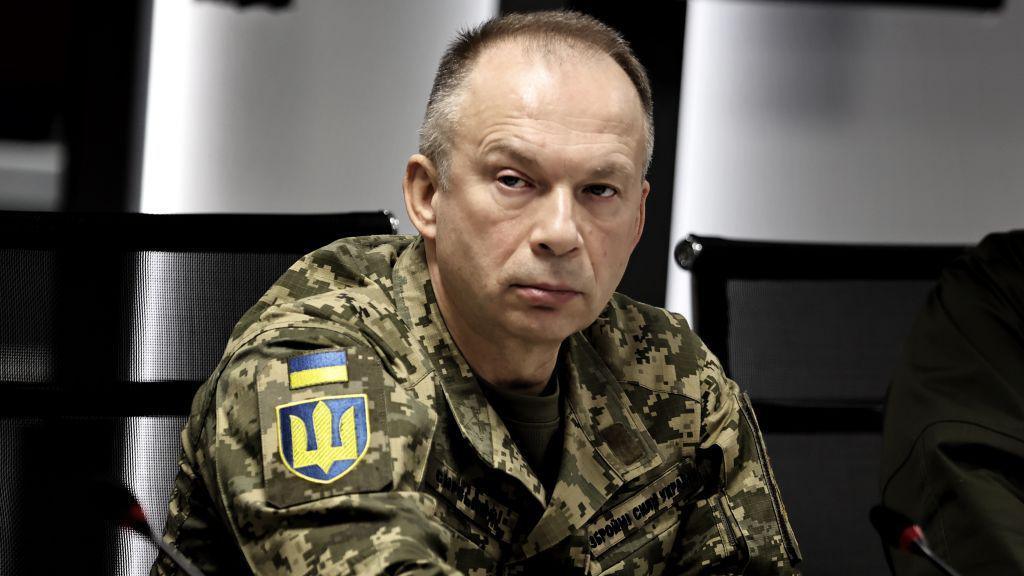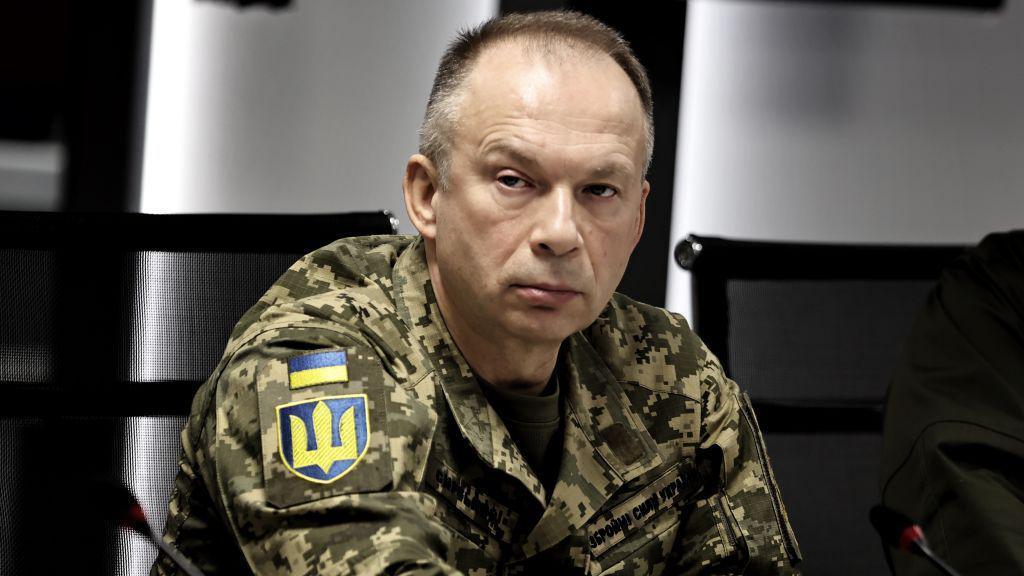
President Volodymyr Zelensky has dismissed Ukrainian army commander‑in‑chief Oleksandr Syrskyi, a move that came only days after the abrupt removal of Defence Minister Mykhailo Fedorov.
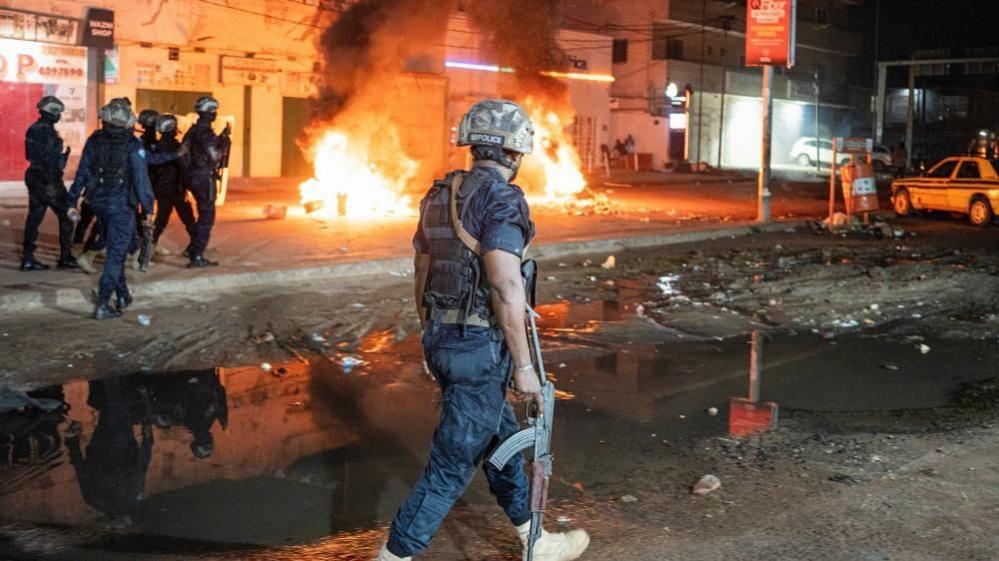
The president’s decision followed a wave of street protests sparked by Fedorov’s ouster. Reports that a personal clash between Fedorov and Syrskyi had precipitated the change were quickly confirmed by insiders.
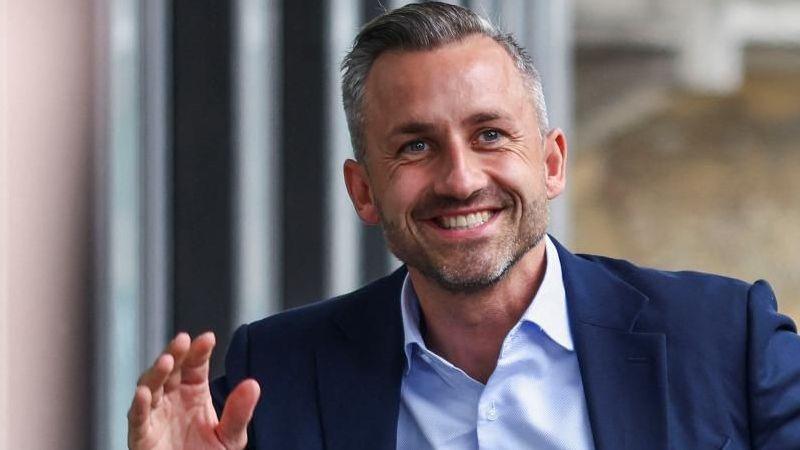
Fedorov – 35, a former digital‑transformation minister – was lauded for energising the ministry, battling corruption and implementing data‑driven tactics on the front line. Syrskyi – 60 – is viewed by many in Ukraine as a Soviet‑school commander reluctant to embrace radical reforms. Syrskyi’s farewell address on Telegram praised the army’s shift from defensive operations to offensive gains.
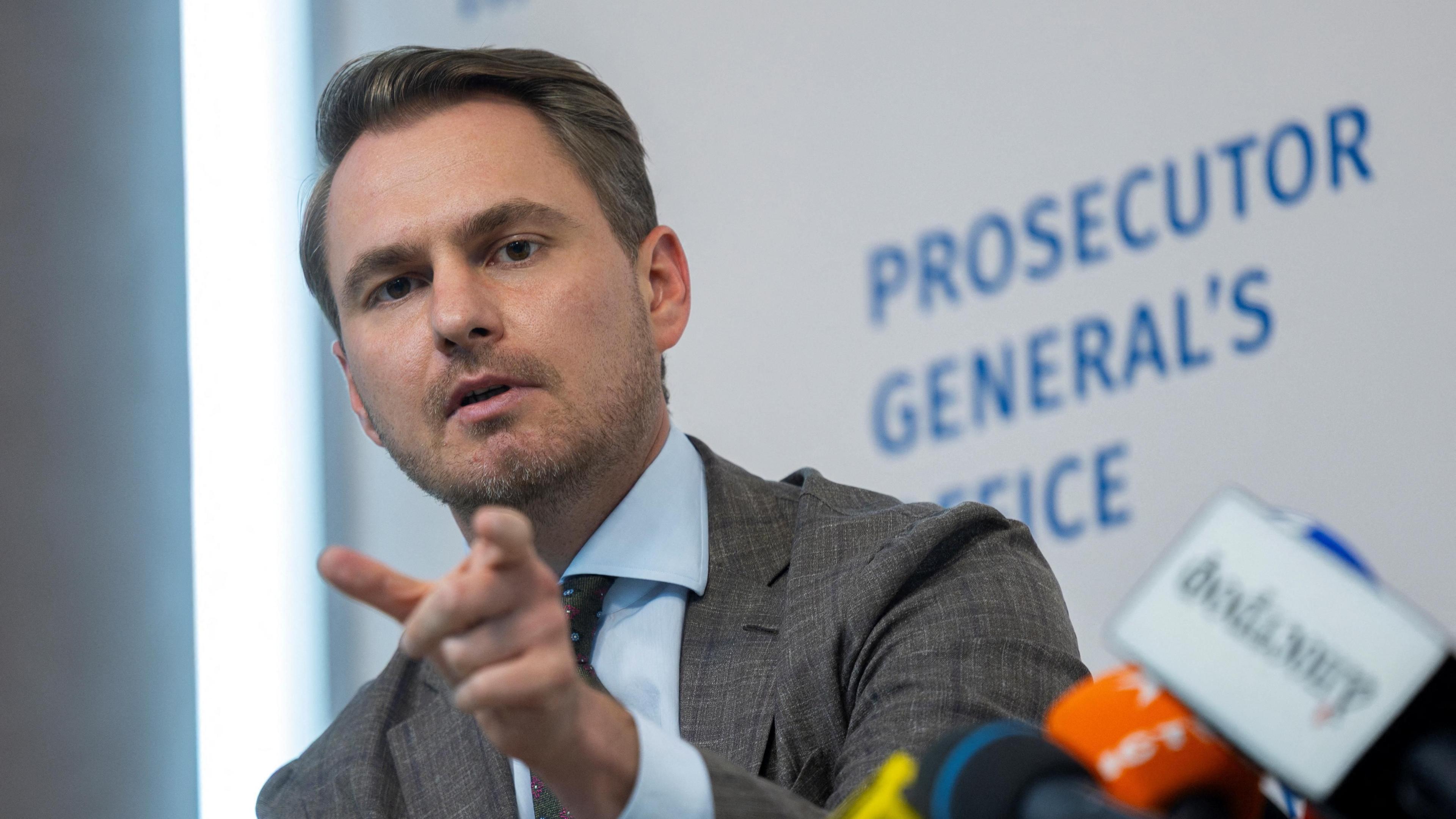
The vacant command was filled by 43‑year‑old general Mykhailo Drapatyi, a popular, battle‑hardened officer linked to Fedorov. Drapatyi has pledged to work responsibly and respect the soldiers defending the nation today.
In a late‑night video post, Zelensky thanked Syrskyi for his leadership during the critical early days of Russia’s full‑scale invasion, particularly the defence of Kyiv in 2022.
Earlier that day, Zelensky met with Fedorov, offering him a “worthy position in power,” though the outcome remains unclear. Fedorov’s replacement, former SBU head Yevhenii Khmara, is currently acting defence minister.
The dismissal of Syrskyi is seen as a response to sustained public pressure and an attempt to restore confidence in Ukraine’s military command structure. While the new commander’s appointment may reduce immediate tensions, many citizens will hold the government accountable for what they perceive was a misstep in choosing leadership.