In brief
In Cameroon, at least eight women were killed in a single week, sparking a nationwide outcry over a surge in femicide. Renowned footballer Ajara Nchout Njoya publicly urged that silence equals complicity, calling for an end to the deadly wave of attacks. The government claims it is working on protective legislation, but civil society and opposition politicians accuse the state of inaction. The debate centres on a pending bill to curb gender‑based violence and a call for a special court to handle domestic disputes.
At least eight women were killed in a single week in Cameroon, prompting a national debate over violence against women and the urgent need for stronger protections.
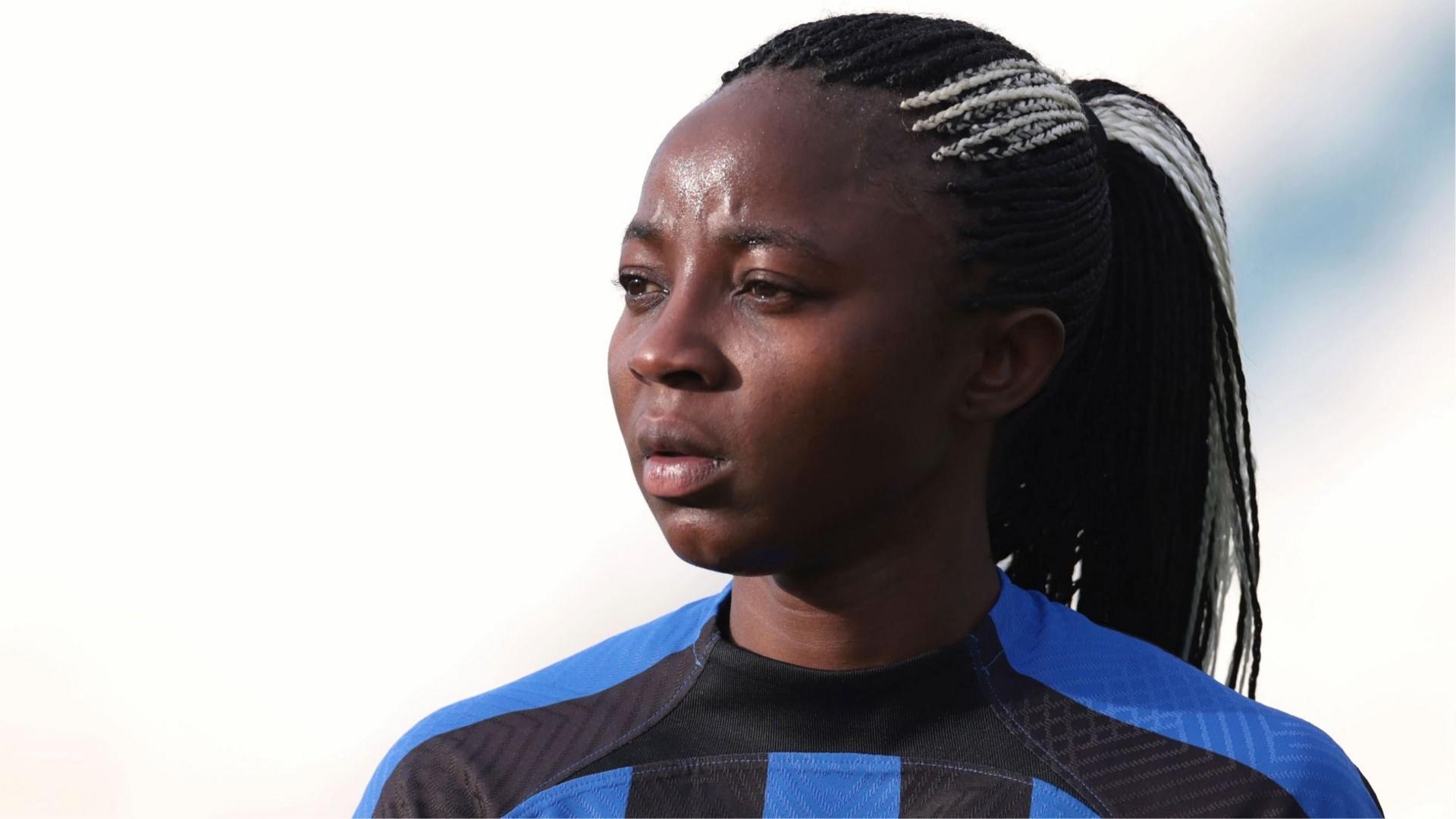
The tragedies, including a 44‑year‑old woman stabbed to death in her hotel room in Yaoundé, have drawn widespread condemnation. Renowned footballer Ajara Nchout Njoya, a Champion of the national team and star for Inter Milan, has taken the stage, saying that “silence is complicity” and demanding a comprehensive response.
Nchout Njoya’s appeal comes amid criticism of the government’s pace in addressing gender‑based violence. Official statistics show 50 women were murdered between January and April, a figure higher than the 77 last year. Minister Marie‑Thérèse Abena Ondoa has called for “urgent cooperation” and highlighted a pending bill to protect women from domestic violence, though civil activists worry that it will not become law until the planned parliamentary session in November.
The opposition Cameroon Renaissance Movement (CRM) party has blasted the “tragic recurrence” of femicides and called the state’s approach “passive.” Civil‑society organisations, such as an NGO run by Viviane Tathi that records femicide cases, urge the creation of a special court to address family disputes that often lead to violence.
With political inertia and societal pressures, the call for swift action grows louder. While the government vows to tighten security and increase law‑enforcement efforts, the continued silence on this brutal issue shows a pressing need for accountability from all sectors of Cameroonian society.