In brief
The National Bank has put Alta Banka under administration and limited in‑branch withdrawals to 20,000 MKD, sparking queues of pensioners in Bitola. The government’s Finance Minister has denied panic, while opposition leaders demand her resignation and investigative probes. The dispute highlights tensions over banking oversight and political accountability in North Macedonia.
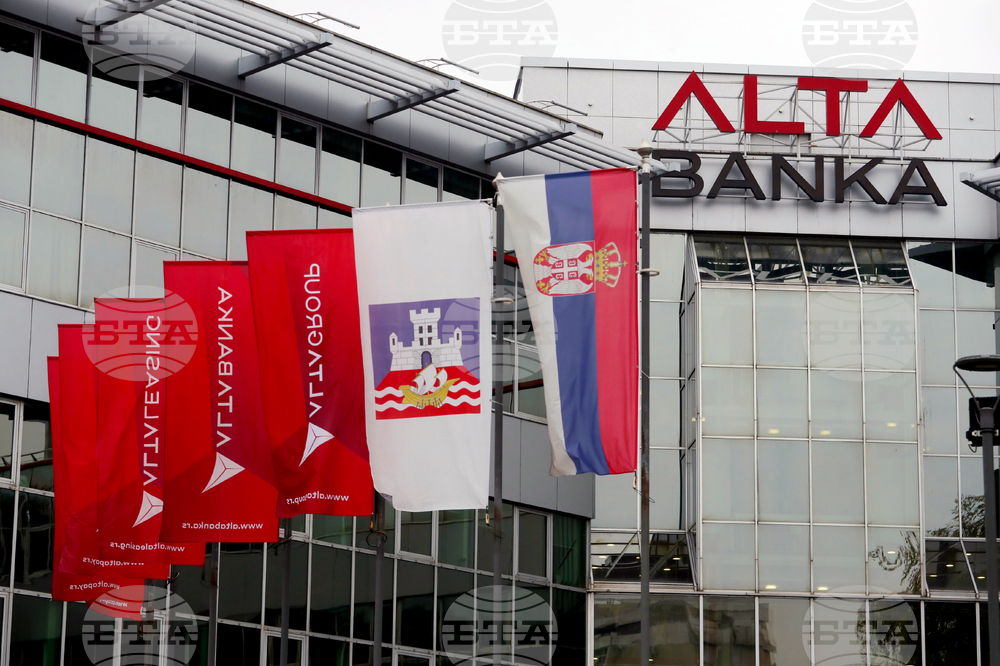
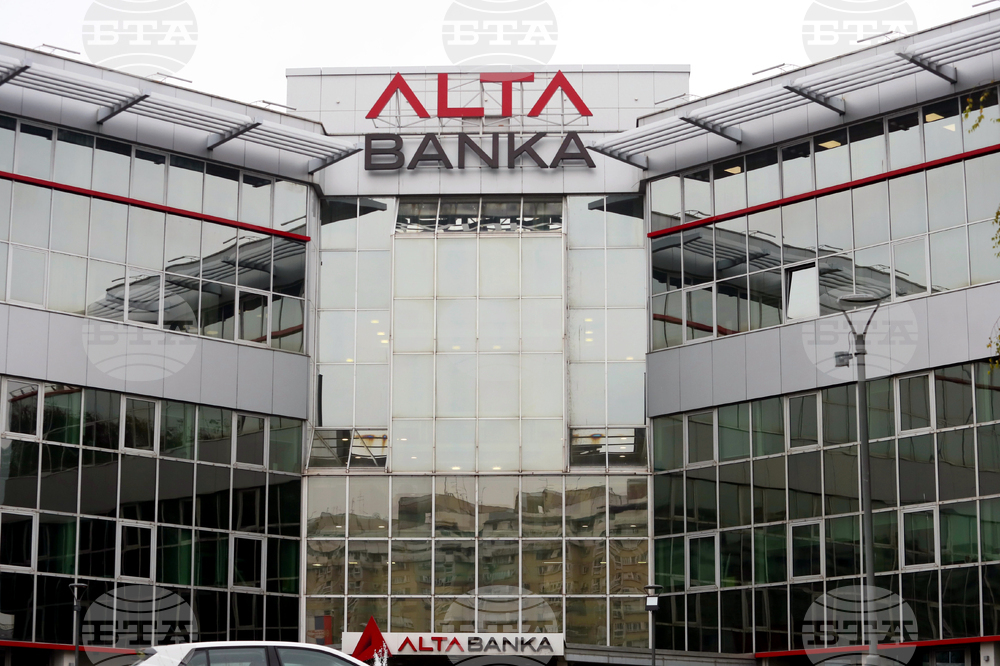
In a move that has frozen access for thousands of residents, the National Bank of the Republic of North Macedonia announced that the bank Alta Banka AD Bitola would be placed under administration after the revocation of its parent company, Alta Banka AD Belgrade,’s licence. In the wake of the decision, the national regulator allowed customers without bank cards to withdraw up to 20,000 MKD (about EUR 320) at only one branch in the southwestern city of Bitola, igniting long queues that began on Thursday morning.
Most people lining up for the withdrawal are pensioners who rely on their monthly allowances; local media reports capture the strain as elderly customers struggle to wait for access to their own money. Meanwhile, the bank’s ATMs remain empty, though the regulator has imposed a weekly withdrawal limit of 10,000 MKD per account. Customers publicly argue that there is no cash in any of the ATMs, undermining confidence in the system’s ability to meet basic needs.
The Finance Minister Gordana Dimitrieska‑Kochoska has responded by asserting that “there was no reason to panic, as Alta Banka had a negligible market share and the country’s banking system was stable.” She said that she had not discussed the matter with National Bank Governor Trajko Slaveski and that she learned of the developments only through media reports. The finance ministry also claimed that it was not consulted by the National Bank about Alta Banka’s entry into North Macedonia late last year, a point that the regulator denies.
Gordana Dimitrieska‑Kochoska said: “I had not communicated with National Bank Governor Trajko Slaveski about the matter and had learned of the developments from the media.”
These remarks were met with sharp criticism from opposition parties, most notably the Social Democratic Union of Macedonia (SDSM). Party leader Venko Filipce issued a scathing Facebook post calling for the resignation of the Finance Minister and urging immediate investigations by both the Public Prosecutor's Office and the European Public Prosecutor’s Office. He claimed that Alta Banka’s acquisition of Stopanska Banka Bitola and potential sale of its shares were approved without the necessary parliamentary oversight.
Venko Filipce posted: “Gordana Dimitrieska‑Kochoska must resign. She is lying about Alta Banka. The Public Prosecutor’s Office must immediately launch an investigation into both [Prime Minister] Hristijan Mickoski and Kochoska. The European Public Prosecutor’s Office must also get involved to examine all the money flows involving Alta Banka.”
Filipce also released photographs purporting to show minutes from a government meeting in which Minister Kochoska allegedly pushed for conclusions directly related to Alta Banka's offer to acquire shares in public institutions. The finance ministry denied these claims, insisting that the meeting happened after Alta Banka’s acquisition of its Bitola branch and that the conclusions concerned the shareholding structure of Stopanska Banka Bitola, not the sale of public assets.
At the heart of the dispute is the question of how the government handled the cross‑border banking licence and the extent of the minister’s engagement with the central bank. With the European Union overseeing Bulgaria and Serbia’s adherence to financial regulations, the cession of banking oversight is a matter of public accountability that extends beyond the immediate needs of pensioners and customers in Bitola. Any failure to coordinate effectively between the ministries could undermine confidence in the country’s financial stability, a concern that lawmakers and the broader public are now calling for visible corrective action.
Meanwhile, the National Bank’s decision to limit withdrawals to one branch places a heavy socioeconomic burden on the local population, while the country’s small banking market already struggles with liquidity and transparency issues. The controversy highlights a critical intersection of economic regulation, regional banking integration, and democratic governance, raising questions about who holds accountability for ensuring that citizens receive reliable access to their own money during periods of regulatory uncertainty.
As the conflict continues, local politicians have called for a review of the regulatory framework that permits foreign entities to shoulder responsibilities for foreign-owned branches. A public audit is already in the planning stages, the National Bank has warned that it will keep monitoring the situation, and the finance ministry remains under pressure to clarify the decision‑making process that led to the crisis in Bitola. The unfolding saga will likely influence upcoming elections and shape how the electorate evaluates the stewardship of financial institutions in the country.