In brief
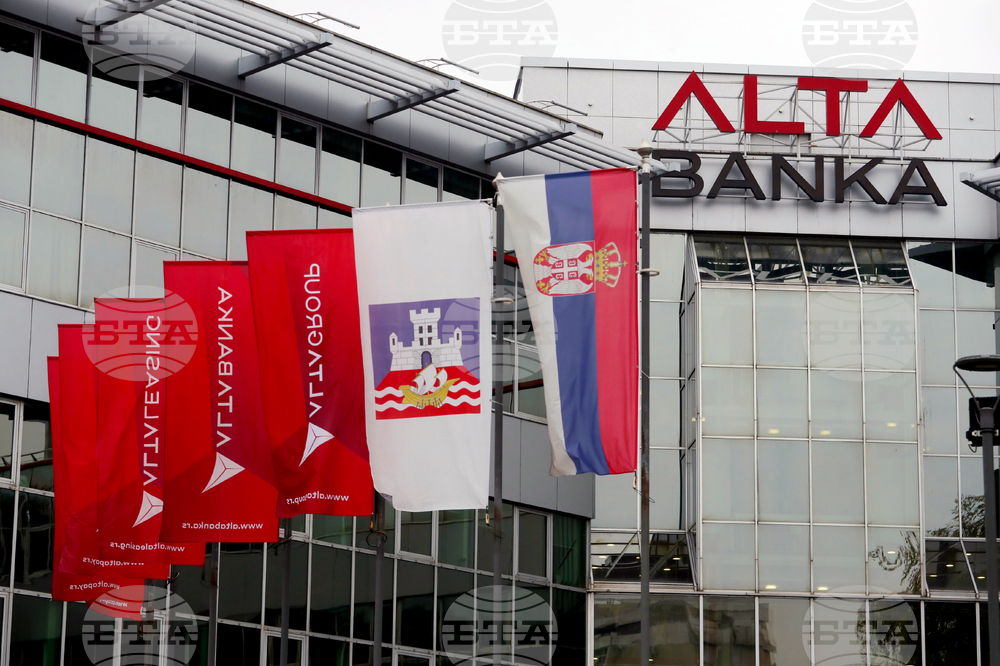
On 1 November 2026 the National Bank of Serbia revoked the licence of Alta Banka and its owner, Davor Macura, was arrested the following day. Investigators are probing money‑laundering allegations, the fate of depositor funds and the role of state‑owned enterprises, while the collapse has prompted action in North Macedonia and Montenegro and sparked calls for sanctions from the United States.
In the early hours of 1 November 2026, the National Bank of Serbia (NBS) revoked the licence of Alta Banka, a decision that was followed by the arrest of the bank’s owner and chair, Davor Macura, on the night of 2 November, as reported by the Belgrade‐based news outlet Nova.rs.
Alta Banka began as a modest successor to the former Yugoslav Bank for International Economic Cooperation and, over seven years, grew into a key institution that handled the funds of large state‑owned enterprises and ordinary citizens alike. The sudden revocation of its licence signaled a dramatic collapse that was labeled by the NBS as an insolvency proceeding.
The arrest of Davor Macura follows a string of irregularities that have been uncovered by Serbian regulators and prosecutors. The Public Prosecutor’s Office for Organized Crime called for a thorough investigation into Alta’s business operations, citing “possible transfers of funds abroad.” According to a Monday report by the public‑access channel N1, three people have been detained in the case, one of whom is Macura, who is suspected of removing more than RSD 45 billion (approximately EUR 380 million) from the bank’s vault.
In addition to domestic scrutiny, the collapse has prompted regulatory action in neighboring countries. On 2 November, the National Bank of the Republic of North Macedonia placed Alta Banka a.d. Bitola under temporary administration, a move explained by Trajko Slaveski, governor of the North Macedonian National Bank, as a safeguard that allows the entity to continue functioning while under oversight. In Montenegro, the license of Alta Pay Group, a sister payment‑services company, was revoked on 2 November, further illustrating the trans‑national impact of the crisis.
High‑profile involvement has also been highlighted through political ties. Media reports have long described Macura as a businessman with close relations to the Serbian Progressive Party and its leader, Aleksandar Vučić, although no formal party membership has been confirmed. On 14 October 2026, U.S. Congressman Joe Wilson sent a letter to Secretary of State Marco Rubio proposing sanctions against four Serbian businessmen, including Macura, on allegations that they used public resources for personal enrichment. Alta Banka denied the money‑laundering allegations contained in the letter, but the U.S. communication reflects growing international concern over the bank’s operations.
The collapse raises profound questions for public accountability. State‑owned corporations that had entrusted their cash flow to Alta Banka risk significant exposure, while ordinary depositors grapple with uncertainty over the safety of their balances. The legal inquiry has now expanded to probe whether officials of the National Bank of Serbia facilitated or overlooked irregularities in the bank’s operations. This scrutiny underscores the fragility of institutional checks that are meant to protect the public’s financial interests.
Cross‑Border Consequences and Depositors’ Fears
With Alta Banka’s license revoked, several clients in North Macedonia and Montenegro find themselves facing an abrupt disruption in their banking services. The NBS and the National Bank of North Macedonia are reportedly coordinating to ensure that funds remain accessible and that customers do not suffer sudden losses. However, details about deposit insurance coverage remain unclear, leaving depositors in a precarious position.
Case of the large state‑owned enterprises, such as those involved with energy and infrastructure, further magnifies the public accountability stakes. These enterprises had placed significant amounts of capital in Alta Banka with the expectation that it would act as a reliable partner. The sudden collapse of the bank threatens to jeopardize national projects and public budgets.
In light of these developments, regulators and judiciary bodies are confronting the pressing need to restore public confidence. The investigation includes reviewing whether the NBS contributed to the bank’s downfall by approving risky loans or failing to enforce adequate due diligence. Such inquiries will influence future regulatory frameworks for banking oversight and deposit insurance mechanisms, thereby affecting how ordinary citizens can trust state‑issued financial institutions.
As the investigation continues, the civic stakes remain high. The case demonstrates how financial mismanagement, political entanglements, and cross‑border regulatory actions can collide to create a crisis of public trust. The resulting accountability measures will shape the future of banking regulation in Serbia and its neighboring states, aiming to safeguard both the integrity of financial markets and the interests of everyday citizens.
While arrests and regulatory revocations signal immediate accountability, the ultimate resolution of the Alta Banka collapse will likely be determined through continued court proceedings, potential asset reclamation, and reforms designed to prevent similar scandals. The outcome will set a precedent for how Serbia and the Balkan region respond to financial crises that directly impact the public’s economic security and institutional integrity.