In brief
The first Chinese film festival in more than a decade launched in New Delhi on 31 October, drawing Indian artists, scholars and film lovers to screenings of roughly ten Chinese features. Chaired by Delhi International Film Festival President Ram Kishore Parcha, the event aims to strengthen bilateral ties and unlock co‑production opportunities between the two nations. Jointly organized by the Chinese embassy, the DIFF and the National School of Drama, the festival underscores the role of cultural diplomacy in public accountability and institutional collaboration.
The Chinese film festival opened in New Delhi on 31 October, marking the first such event in more than a decade. Jointly hosted by the Chinese embassy and the Delhi International Film Festival (DIFF) in association with the National School of Drama, the programme was held at the Films Division Auditorium and included the screening of about ten Chinese films over two days. The festival was billed as a cultural bridge between the two nations.
Under the theme “Two Nations, One Screen,” the program showcased a variety of Chinese cinema that is rarely available to Indian audiences. Though the festival only presented a handful of features, it featured a mix of genres that highlighted contemporary and traditional Chinese storytelling. The event was deliberately scoped to fit two days, setting a precedent for future cultural exchanges and providing a platform for Indian and Chinese filmmakers to engage with one another.
Participants came from a wide range of professions: artists, film scholars, academics, cinema enthusiasts, and cultural institutions that attend the festival for networking and inspiration. While the specific list of attendees was not disclosed, representatives from the National School of Drama—an autonomous institution funded by India’s Ministry of Culture—were prominently involved in organising and curating the event. These attendees, drawn from various creative fields, called the festival a collective moment of shared cultural appreciation.
The festival organisers highlighted the role of cultural diplomacy in building public accountability and maintaining institutional ties. The National School of Drama, funded by the Ministry of Culture, cooperated with the DIFF and with the Chinese embassy to provide the infrastructure and academic framing necessary to host the event. The collaboration between a state‑funded Indian drama school and the Chinese diplomatic mission illustrates how cultural institutions can work across borders to strengthen societal bonds.
A bridge of screens
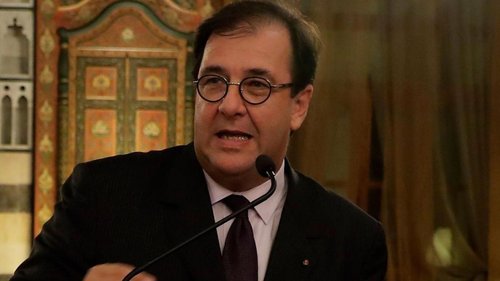
Ram Kishore Parcha, president of the Delhi International Film Festival, said:
“The film festival is expected to help build “a new bridge encompassing cinema, culture, traditions, and our bilateral relations.” “It will unlock fresh avenues for co‑productions and artistic exchange between film‑makers from both the nations.”
These remarks underscore the festival’s civic stakes. By opening avenues for co‑productions, the event may foster new economic and cultural exchanges, while the use of a state‑funded drama institution as a host signifies a commitment to public accountability in state‑led cultural initiatives. The celebration of films from a foreign nation also has the potential to influence public perception and civic awareness about international cinema and cultural policies.
Looking ahead, the festival is seen by both organisers and attendees as a stepping stone toward further bilateral cultural projects. By inviting Indian filmmakers to interact with Chinese counterparts, the event promises to nurture long‑term creative collaborations that could inspire future film festivals, joint productions, and shared artistic ventures. This civic outcome aligns with the intent of the ministry to promote the arts as a tool of national policy and international engagement.