In brief
At a World Bank‑backed briefing in Sofia on September 18, 2026, Energy Minister Iva Petrova revealed that 28 % of Bulgarians—about 1.8 million people—experience energy poverty. She stressed the need for a coordinated, long‑term programme with interim goals for 2030 and a 2050 elimination target, while balancing energy security, competitiveness and affordable prices. The ministry has already introduced a definition of energy poverty and launched an 11‑measure support package for vulnerable consumers.
During a presentation of a World Bank Group assessment in Sofia on September 18, 2026, Energy Minister Iva Petrova announced that more than 1.8 million Bulgarians—about 28 % of the nation’s population—are living in energy poverty. The briefing, held at the Grand Hotel Sofia, drew attention to the stark social impact of rising energy costs and the need for a sustained policy response.
The assessment, titled “Green and Inclusive Futures: Creating Opportunities in the Green Transition,” was produced in partnership with the Ministry of Labour and Social Policy and the Ministry of Energy. It examined how energy affordability intersects with vulnerability, equity and the country’s broader transition to sustainable fuels.
Petrova highlighted that energy poverty is not merely a technological issue but a social one that undermines quality of life, hampers economic activity and threatens the country’s sustainable development. She stressed that ensuring a secure supply, keeping prices affordable and maintaining sector competitiveness are all essential to protecting households and supporting growth.
One of the prominent actions taken so far, Petrova said, was the introduction of a statutory definition of energy poverty. By codifying the concept, the government has created a common language for policymakers, researchers and service providers to discuss and measure the problem more accurately.
The minister also outlined a comprehensive long‑term programme, setting a target to eliminate energy poverty entirely by 2050. She added that the plan includes specific intermediate goals for 2030, ensuring a clear roadmap that aligns legislative and institutional efforts.
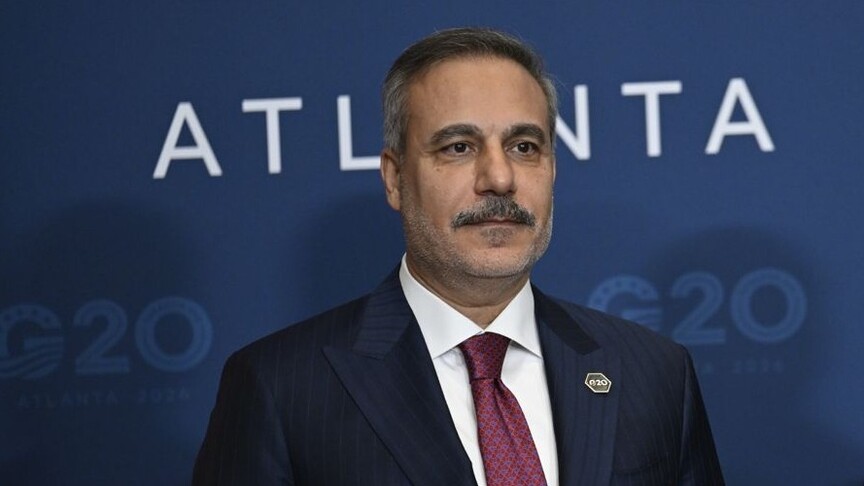
Energy Minister Iva Petrova
"One of the important tasks ahead of us is to develop a long‑term programme to reduce energy poverty by 2050, with interim targets for 2030," Petrova said.
The plan stresses consistency in policy design and coordination across institutions. The government programme through 2030 already encompasses 11 measures that directly support the most vulnerable consumers of energy services. These measures aim to provide subsidies, technical assistance and capacity‑building support to households that struggle to afford heating, cooling and electricity.
Petrova noted that energy poverty can have broader social consequences. Families that cannot afford adequate heating, for example, face health risks and are more likely to miss school, work and other civic duties. In this sense, the issue cuts across the entire democratic fabric, affecting public participation, labor productivity and social cohesion.
By focusing on long‑term solutions, the ministry intends to address the root causes of energy poverty rather than relying on short‑term subsidies alone. The conversation highlighted that the balance between energy security, competitiveness and affordable prices will be a key challenge as Bulgaria continues to transition to greener energy sources.
In conclusion, Petrova’s address underscored that tackling energy poverty requires a multi‑sectoral strategy that aligns with laws, budgets, and the broader goals of sustainable development. While the 28 % statistic presents a stark challenge, it also offers a clear mandate for action and provides a framework within which the government, civil society and the private sector can collaborate to eliminate energy poverty by mid‑century.