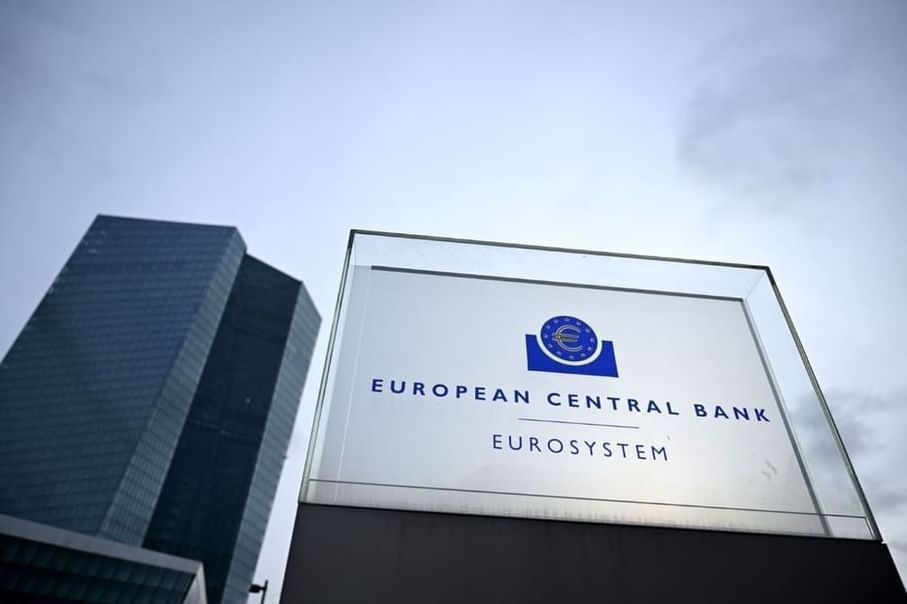
On Friday, the eurozone’s finance ministers named two candidates to take over Christine Lagarde’s role as President of the European Central Bank. The nominees—Klaas Knot from the Netherlands and Pablo Hernández de Cos from Spain—will confront the Eurogroup’s review and further consultations before a final appointment by the European Council.
In Brussels, the Netherlands nominated Klaas Knot, who served as the Dutch central bank chief from 2013 until 2021. Knot's tenure included policy responses to the 2008–09 global financial crisis and to the sovereign debt crisis that followed in the eurozone. The Spanish nominee, Pablo Hernández de Cos, is currently the General Manager of the Bank for International Settlements, having taken the post in early 2020 after several years at the Spanish central bank.
The process follows the Treaty on the Functioning of the Union. Eurozone finance ministers convene as the Eurogroup to discuss the qualifications of each candidate before forwarding their recommendations to the European Central Bank and the European Parliament for a broader consultation. The European Council will then make the final appointment, as stipulated in the euro area’s institutional framework.
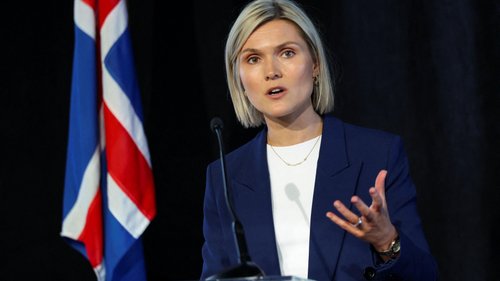
Kyriakos Pierrakakis, President of the Eurogroup, said the Eurogroup would "take stock of these candidacies" at its next meeting on 9 November, where the competing dossiers would be evaluated in light of the euro's current economic environment and upcoming policy challenges.
Both nominees are described as seasoned crisis‑fighters. Knot is quoted in the WAM release as "experienced in managing economic turmoil," citing his role during the eurozone’s austerity period. Hernández de Cos, meanwhile, has overseen the BIS’s engagement with global central banks amid the COVID‑19 pandemic’s economic shock, further demonstrating his capacity to navigate rapidly changing monetary landscapes.
The appointment is a key political act that will shape the direction of the euro’s monetary policy. The ECB’s decisions on interest rates, asset‑purchase programmes, and forward guidance have direct consequences for inflation expectations, bank lending, and ultimately the purchasing power of millions of euro‑area residents.
For citizens across member states, the choice of president will impact the trajectory of systematic policy responses to economic slowdowns. A president with a strong crisis‑management reputation could lend credibility to the ECB’s responses to rapid rate hikes or sudden liquidity needs, which is essential for maintaining confidence in the euro and in public debt markets that underpin national fiscal budgets.
Beyond public policy, the appointment will affect corporate financing as the ECB’s stance on liquidity provision influences euro‑denominated borrowing costs for businesses. Smaller firms especially rely on predictable interest conditions for growth plans, and any shift in policy direction may either support or dampen private sector expansion.
The European Parliament, a directly elected body, will review the nominations, providing a democratic oversight layer over the appointment. The Parliament’s scrutiny reflects the broader principle that central bank leadership in the euro area must remain accountable to both the eurozone’s institutions and its citizens.
While the WAM report provides the primary facts on the nominations and the procedural timeline, it does not indicate any immediate broader political contestation over the selection. The focus appears to be on the continuity of crisis management expertise rather than on partisan preferences, suggesting a pragmatic approach to the ECB’s next leadership.
Following the Eurogroup’s 9 November review, the ECB and the European Parliament will hold further consultations. In that context, candidate achievements and policy outlooks will be analyzed in the light of the eurozone’s inflation trajectory, fiscal consolidation goals, and the need to preserve financial stability across a community still dealing with post‑pandemic recovery issues.
The eventual appointment, ratified by the European Council, will trigger internal appointment procedures within the ECB, culminating in the new president assuming office in February 2027. The timing aligns with the euro area’s parliamentary terms and provides a window for the current government to ensure the transition impacts both monetary policy frameworks and public confidence.
Ultimately, the nomination of Knot and Hernández de Cos embodies the eurozone’s emphasis on institutional resilience and crisis experience. The candidates’ record of steering monetary policy during turbulent periods, combined with the structured selection process that incorporates election‑elected bodies, underscores the democratic accountability embedded in the governance of Europe’s leading financial institution.